





The Rise of a New Status Symbol
For generations, success in India was often measured by tangible assets. A new house, a bigger car, and the latest electronics were visible markers of upward mobility. Today, for millions of young Indians, that definition is being rewritten. Status is no
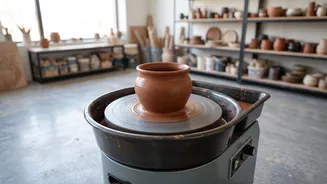
longer just about what you own, but what you have done. A trip to a music festival, a weekend scuba diving, or attending a pottery workshop now holds significant social capital. According to a recent report, a staggering 78% of Indian consumers now prefer spending on experiences rather than physical products. This isn't just a fleeting trend; it’s a fundamental change in values, driven by a generation that is more globally connected and digitally native than any before it.
Social Media and the 'Shareable' Life
The power of social media in this cultural shift cannot be overstated. Platforms like Instagram and Snapchat are visual-first, making experiences inherently more valuable as content than a new smartphone that looks like everyone else's. A vibrant photo from a trek in the Himalayas or a reel from a Coldplay concert generates more engagement and social currency than a picture of a newly purchased handbag. Urban Indian youth aged 18-24 spend over two hours on social media daily, a space where lifestyles are curated and broadcast. This digital stage encourages a life that is rich in shareable moments, turning personal experiences into public statements of identity and taste. The desire for a life that looks good online is a powerful motivator driving spending towards memorable activities.
Redefining Value and Happiness
Younger consumers are also making a different calculation when it comes to happiness. The thrill of buying a new item tends to fade quickly, a concept known as 'hedonic adaptation'. In contrast, the memories from an experience, such as a trip or a concert, can provide lasting joy. This generation is becoming more value-conscious rather than just price-sensitive. They are deliberately choosing to spend on purchases that align with personal growth and enrichment. This shift is reflected in economic forecasts, with spending on experiences projected to grow at a faster rate than spending on physical goods through 2030. Categories like travel and hospitality are expected to see the strongest growth, confirming that consumers are voting with their wallets for moments over materials.
Accessibility Fuels the Experience Boom
This trend is not just for the wealthy. The 'experience economy' in India has become increasingly accessible. Budget airlines, backpacking hostels, and a plethora of online platforms offering curated workshops and local tours have put once-exclusive experiences within reach of a wider audience. India's live events market, valued at around ₹13,000 crore in 2025, includes everything from massive music festivals to intimate spoken word gatherings. The formal experience economy, covering live events, weddings, and tourism, is projected to nearly double from $32.2 billion in 2024 to $59.2 billion by 2030. This growth is a testament to a robust ecosystem that is making it easier and more affordable for young people to participate.
From Ownership to Access
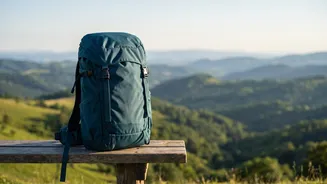
The emphasis on experience over ownership is part of a larger global trend towards the 'access economy'. Why own a car when you can use a ride-sharing app? Why buy a holiday home when you can rent unique stays anywhere in the world? This mindset de-emphasizes the burden and long-term commitment of ownership. Gen Z, which will drive a significant portion of consumption in India by 2030, prioritizes authenticity, self-expression, and new experiences. For them, products are still relevant, but often as a means to an end—for example, buying quality sportswear to go on a trek. The product's value is measured by the experience it enables.