



Understanding the Free Visa Waiver
As of May 25, 2026, Sri Lanka has rolled out a free Electronic Travel Authorisation (ETA) scheme for citizens of 40 countries, including India. This means Indian passport holders no longer need to pay a visa fee for a tourist visit. However, it's crucial
to remember that you must still apply for and receive the ETA online through the official government portal before you travel. Airlines will check for this authorisation before boarding. The free tourist ETA is valid for 30 days and permits double entry, meaning you could even pop out and back in within that window. This waiver simplifies the process, cutting down costs and making a quick trip to the island nation incredibly accessible.
Day 1: Arrival in Colombo & Transfer to Unawatuna
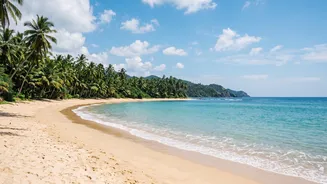
Fly into Bandaranaike International Airport (CMB) near Colombo. From the airport, the most budget-friendly way to reach the southern coast is by taking a bus or train to Galle, a major city hub. The coastal train route is particularly scenic and a classic backpacker experience. From Galle, a short tuk-tuk ride will get you to Unawatuna, a lively beach town famous for its calm, swimmable waters and vibrant nightlife. Check into one of the many affordable hostels or guesthouses. Spend your first evening acclimatising, taking a dip at Unawatuna Beach, and enjoying a delicious and cheap plate of rice and curry from a local eatery.
Day 2: Exploring Historic Galle Fort
Dedicate your second day to exploring the UNESCO World Heritage site of Galle Fort, just a few kilometres from Unawatuna. You can easily spend hours wandering through the charming cobblestone streets, which are lined with Dutch colonial-era buildings, boutique shops, art galleries, and quaint cafes. Walk along the fort ramparts for stunning ocean views, watch the iconic cliff jumpers, and visit the historic Galle Lighthouse. The fort is a photographer's paradise and exploring it on foot is completely free, making it a perfect activity for a student budget. In the evening, head back to Unawatuna to relax on the beach or explore nearby Jungle Beach.
Day 3: Mirissa’s Beaches and Coconut Tree Hill
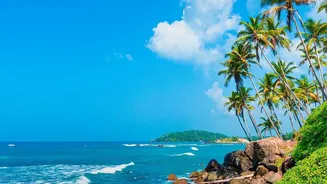
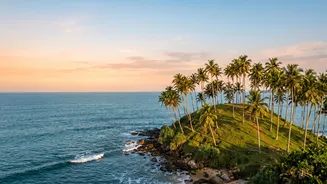
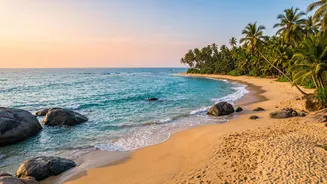
On day three, take a short bus or train ride further down the coast to Mirissa. This town is renowned for its laid-back vibe and is a popular spot for whale watching tours (though these can be a budget-stretcher). A must-do free activity is the short hike up Coconut Tree Hill for one of the most Instagrammable sunset views in Sri Lanka. Spend the day lounging on Mirissa Beach, enjoying the waves, and exploring the string of beachfront restaurants and bars. The journey from Unawatuna/Galle to Mirissa is short and can be done cheaply via local bus, which is an experience in itself.
Day 4: Learning to Surf in Weligama
Just a 15-minute tuk-tuk or bus ride from Mirissa is the town of Weligama, famous as one of the best places in Sri Lanka for beginner surfers. The bay's gentle, consistent waves make it an ideal and safe spot to take a lesson. Numerous surf schools line the beach, offering board rentals and lessons at competitive prices. Even if you don't surf, the beach has a relaxed, local feel. You can also spot the iconic stilt fishermen, a unique traditional fishing method. Spend the night in either Weligama or head back to your base in Mirissa or Unawatuna, as the travel time is minimal.
Day 5: Return to Colombo & Departure
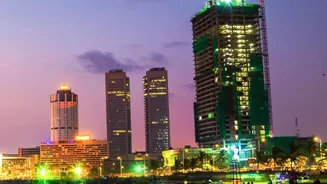
On your final day, make your way back to Colombo. The most scenic and affordable option is to take the coastal train from Galle or Weligama directly to Colombo Fort station. The journey itself offers a final, beautiful glimpse of Sri Lanka's coastline. Depending on your flight schedule, you can explore Colombo’s Pettah Market for some last-minute souvenir shopping or relax at Galle Face Green before heading to the airport. This completes a whirlwind but fulfilling five-day tour of the southern coast, packed with culture, adventure, and beach relaxation.
Backpacker Budgeting 101
Sri Lanka is remarkably affordable for Indian travellers. A backpacker can comfortably manage on a daily budget of around ₹2,000-₹3,000. Hostels and guesthouses offer dorm beds or basic private rooms for ₹800-₹1,500 per night. Local transport like buses and trains is extremely cheap, with long journeys often costing less than a few hundred rupees. Eating at local restaurants or 'kades' will get you delicious meals like rice and curry or kottu roti for just ₹200-₹400. Sticking to these options allows you to enjoy the best of the coast without breaking the bank.