






The Financial Barrier to Entry
When it comes to cost, brisk walking is the undisputed champion of accessibility. The only essential piece of equipment is a comfortable pair of shoes. It can be done anywhere, from city parks to local neighbourhoods, completely free of charge. Yoga,
while also budget-friendly compared to a gym membership, typically involves a few more initial purchases. A non-slip yoga mat is considered a bare minimum for comfort and safety. While countless free videos are available online, many beginners find value in studio classes for proper guidance, which can range from affordable community centre sessions to pricier boutique studio packages.
The Learning Curve and Skill Required
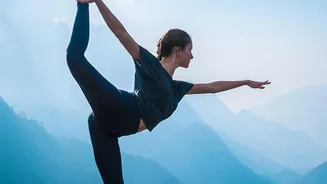
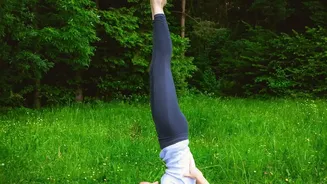
Walking is an innate human movement, making its learning curve practically flat. You don't need prior experience or instruction to start. The challenge lies in maintaining a 'brisk' pace that elevates your heart rate. Yoga, on the other hand, is a practice that involves learning specific postures (asanas), breathing techniques (pranayama), and principles of alignment. This can feel intimidating, but a common myth is that you need to be flexible or strong to begin. In reality, beginner classes are designed to teach these fundamentals from the ground up, and flexibility is something that develops over time with consistent practice.
Physical Demands and Gentleness on the Body
Both activities are considered low-impact, making them gentle on the joints compared to exercises like running. This makes them suitable for a wide range of ages and fitness levels. Brisk walking primarily works the lower body and is an excellent cardiovascular workout. Yoga, depending on the style, can provide a full-body workout, enhancing not just strength but also balance and flexibility. For someone completely new to physical activity, walking might feel more immediately manageable, while gentle or beginner yoga styles are specifically designed to be adaptable, allowing you to move at your own pace and rest when needed.
Convenience and Time Commitment
In terms of sheer convenience, walking often has the edge. It can be squeezed into a busy schedule in short bursts—a 30-minute walk during a lunch break or as part of a daily commute. It requires no special setup. Yoga may require a bit more planning. A typical class lasts between 60 to 90 minutes, and even practising at home requires carving out dedicated time and space. However, the beauty of a home practice is its flexibility; you can do a 15-minute session in the morning to wake up or a calming evening routine to de-stress. Ultimately, both can be adapted to fit your lifestyle.
Mind-Body Connection and Mental Benefits
While both exercises are excellent for mental health, they achieve it differently. A brisk walk, especially outdoors, can be meditative, helping to clear the mind and reduce stress. It boosts mood by releasing endorphins. Yoga is renowned for its more direct focus on the mind-body connection. Through controlled breathing, focused attention, and mindfulness, yoga is highly effective at calming the nervous system and reducing anxiety. If your primary goal is stress relief and mental clarity, yoga's structured approach gives it a slight advantage.