

The Science Behind the Sizzle
At its heart, fermentation is a natural transformation. It’s a process where microorganisms like yeast and beneficial bacteria break down the sugars and starches in food. In the Indian kitchen, this isn’t a sterile laboratory process; it’s a living tradition.
A bowl of rice and lentil batter left on a warm counter overnight bubbles and grows, filled with the life of these tiny helpers. This process does more than just make batter rise; it unlocks nutrients, creates complex, tangy flavours, and makes food easier to digest. Our grandmothers knew this instinctively when they said fermented foods were 'light' on the stomach. Science now tells us they were nurturing probiotics, the good bacteria essential for gut health.
A Culinary Map of Fermentation
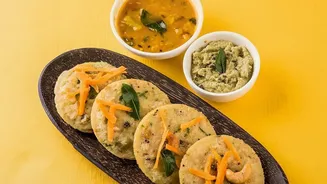
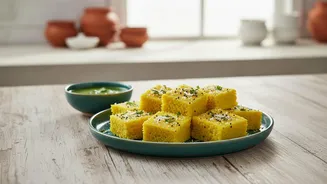
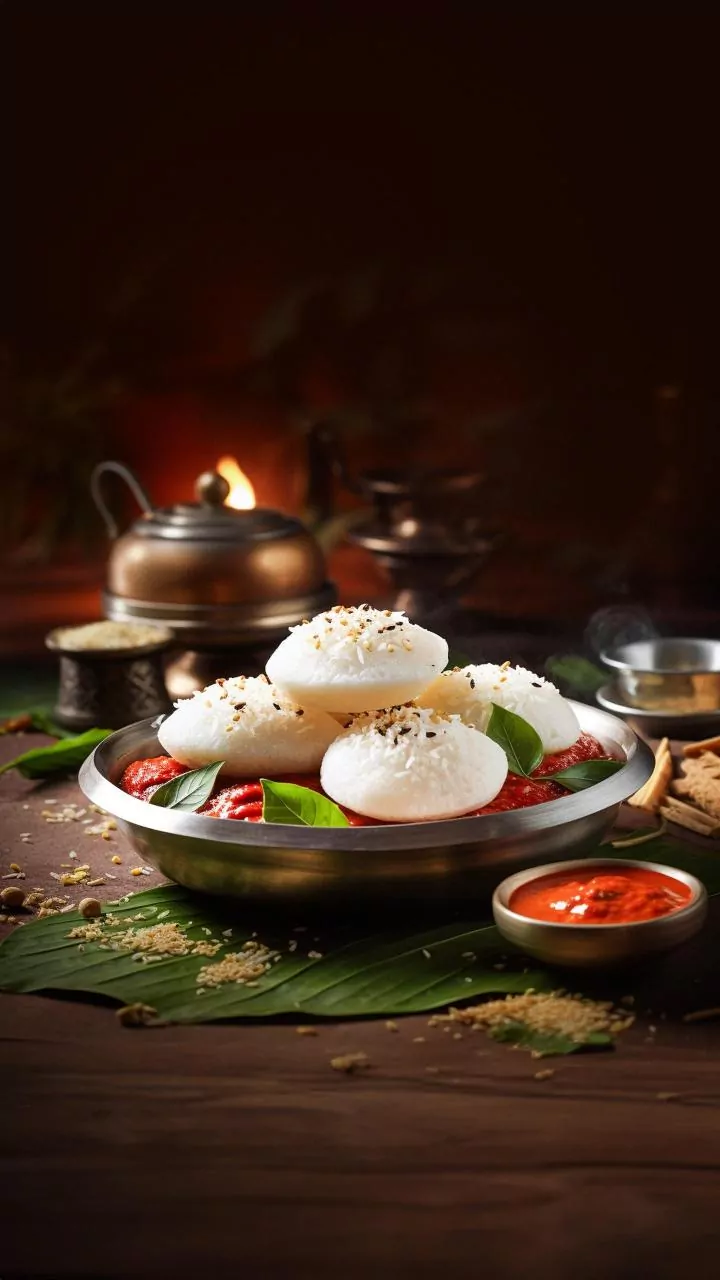
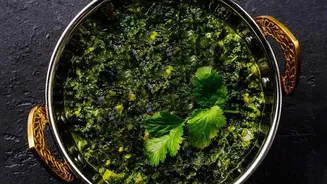
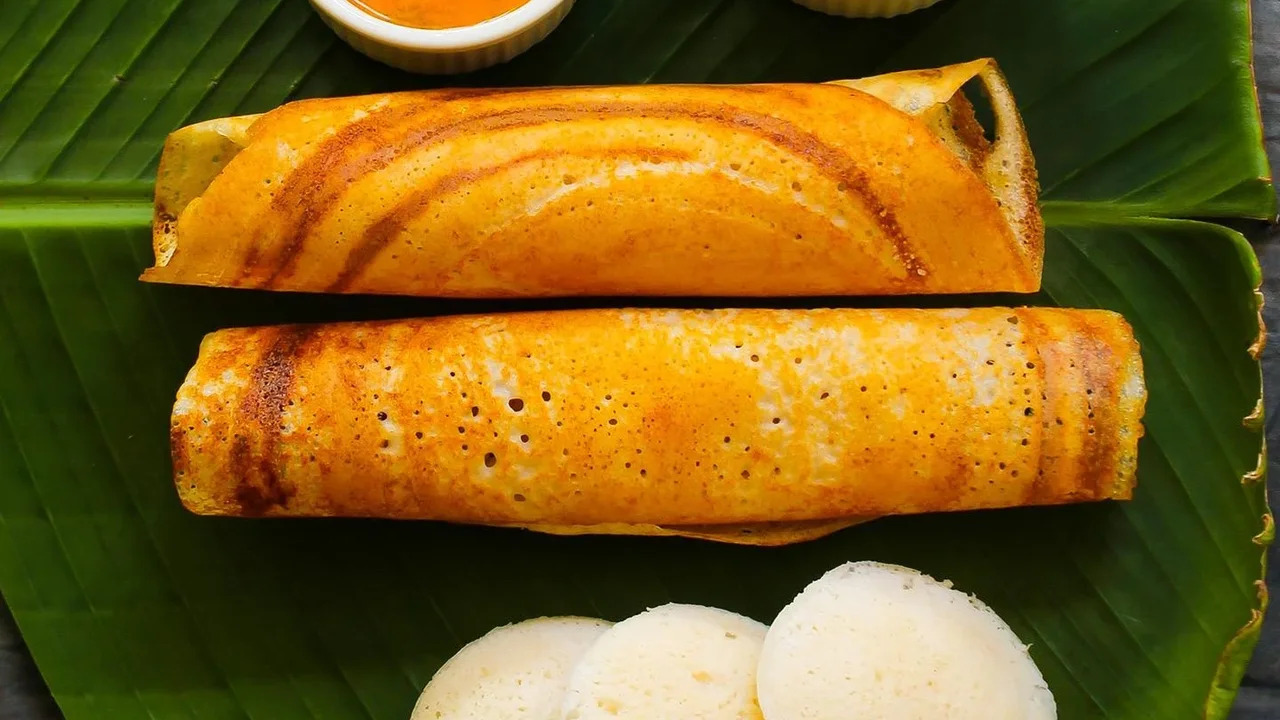
Fermentation isn't confined to one region; it's a pan-Indian culinary thread with diverse local expressions. In the South, the iconic duo of idli and dosa are staples made from fermented rice and urad dal batter. Travel west to Gujarat, and you'll find the spongy, savoury dhokla, a steamed cake made from a fermented batter of gram flour or rice and lentils. In the North, especially during winter, households prepare Kanji, a tangy probiotic drink made from fermented black carrots and mustard seeds, mentioned even in ancient Ayurvedic texts. The East and Northeast offer unique preparations like Panta Bhat in Bengal, a humble dish of leftover rice soaked overnight to ferment, and Gundruk, fermented leafy greens from Sikkim and Nepal.
More Than Taste, A Gut Feeling
The widespread use of fermentation in Indian cuisine is a testament to an intuitive understanding of health. These foods are natural sources of probiotics, which help maintain a healthy balance of bacteria in our gut. A healthy gut microbiome is linked to better digestion, stronger immunity, and even improved mental well-being through the gut-brain axis. The fermentation process also enhances the nutritional value of food. It breaks down anti-nutrients found in grains and legumes, making minerals like iron and calcium more readily available for the body to absorb. Furthermore, it boosts the levels of B vitamins, which are crucial for energy production.
A Legacy of Patience and Preservation
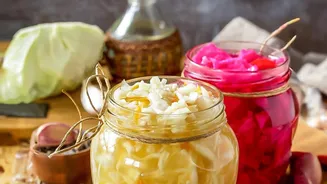
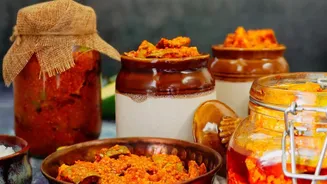
Beyond the health benefits, fermentation was a practical solution for preservation in an era before refrigeration. Pickling, a form of fermentation, allowed seasonal vegetables and even meats and fish to be enjoyed year-round. But this practice is about more than just utility. It represents a culinary philosophy built on patience and working with nature. There are no shortcuts to the perfect ferment. It requires time, observation, and an understanding of ingredients and climate—a knowledge passed down through generations. This slow-food approach stands in contrast to the modern world's demand for instant gratification, reminding us of the value in allowing natural processes to unfold.