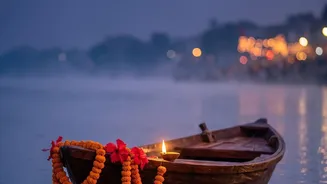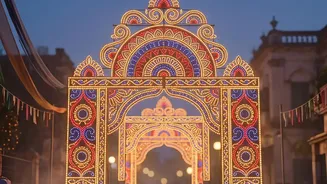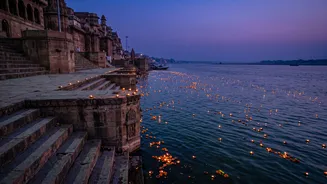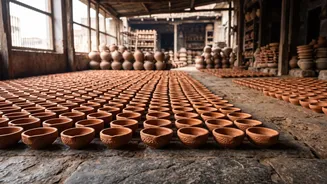

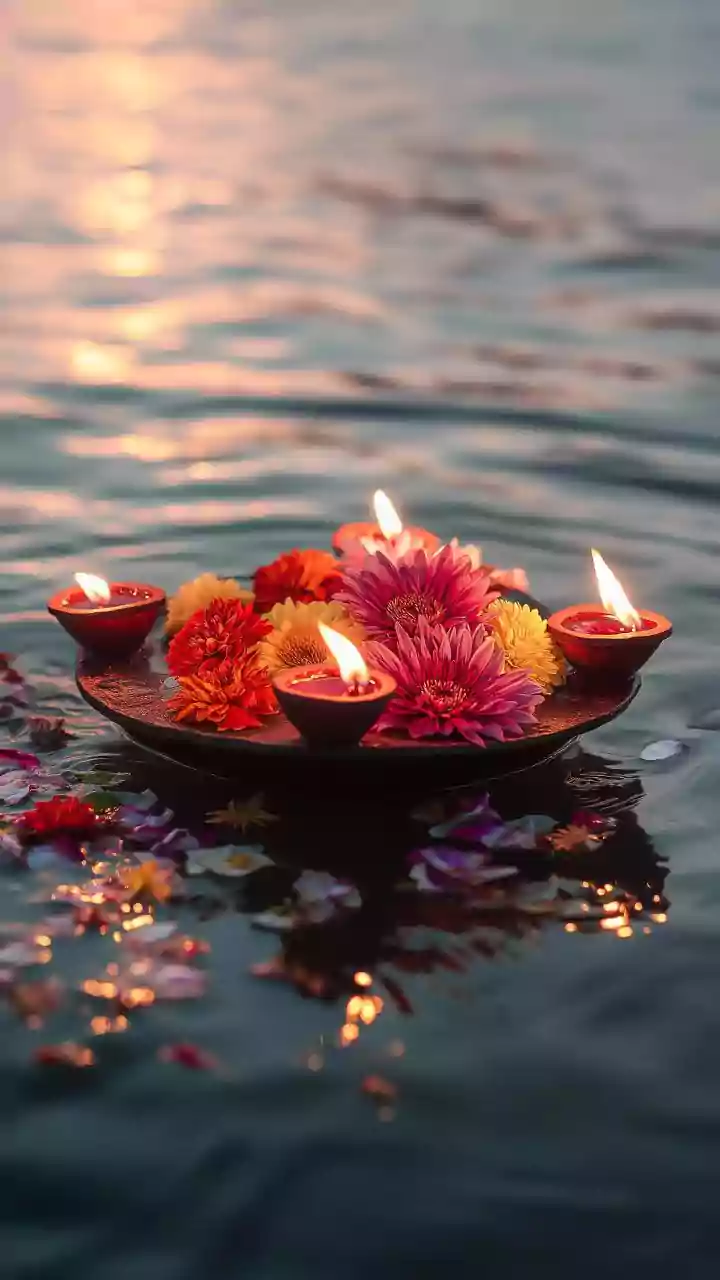
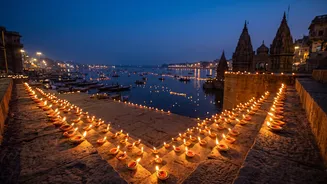
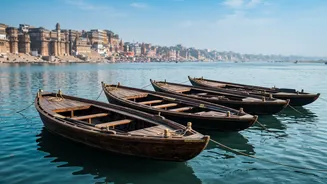
In the labyrinthine lanes of Varanasi, the rhythmic whir of the potter’s wheel provides a steady heartbeat. As autumn deepens, entire communities are immersed in crafting millions of terracotta diyas for the upcoming Dev Deepawali festival.
The City Prepares for the Gods
Dev Deepawali,
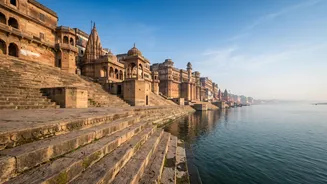
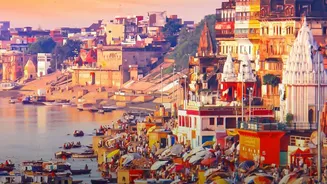
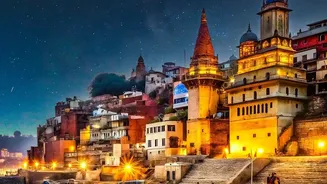
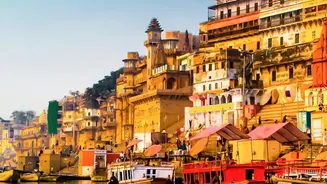
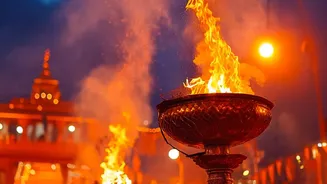
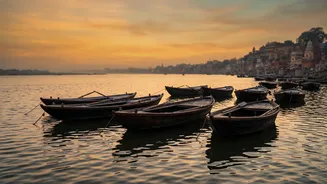
often called the 'Diwali of the Gods', is a spectacle unique to Varanasi, celebrated on the full moon night of the Hindu month of Kartik, fifteen days after Diwali. This year, it falls on November 24. Legend holds that on this night, the gods descend to Earth to bathe in the holy Ganges. To welcome them, all 88 of the city's ghats are illuminated in what becomes a breathtaking river of light. The festival commemorates Lord Shiva's victory over the demon Tripurasura, and the lighting of lamps celebrates this triumph of good over evil. The preparations are a massive undertaking, transforming the ancient city into a beacon of faith and festivity that attracts visitors from across the globe.
Hands That Shape Tradition
At the heart of this luminous celebration are the city's potters, predominantly from the Prajapati community, who have inherited their craft through generations. The name 'Prajapati' itself is tied to Brahma, the creator god in Hinduism, reflecting the community's ancient lineage in the art of creation. In artisan clusters and family homes, courtyards are filled with rows of sun-drying clay lamps. The process is a testament to tradition: clay is sourced, kneaded to the right consistency, and then spun on the wheel or shaped by hand. Each diya is a small piece of earth, lovingly shaped and then fired in a kiln, ready to hold a flame. This painstaking, manual process stands in stark contrast to mass-produced alternatives, embedding each lamp with a story of human touch and heritage.
An Economy Fired by Faith
For Varanasi's artisan communities, Dev Deepawali is not just a spiritual event; it's the most significant economic season of the year. The demand for diyas, numbering in the millions, provides a crucial livelihood for thousands of families in Varanasi and surrounding districts like Bhadohi and Ramnagar. Official estimates suggest the festival generates substantial local economic activity, with direct sales of diyas alone running into crores of rupees. This cottage industry offers a vital counterbalance to modern, machine-made lights, ensuring that traditional skills remain economically viable. The festival's boom extends beyond the potters, creating a ripple effect that benefits boatmen, florists, hoteliers, and street vendors, turning the entire city into a thriving marketplace.
More Than Just a Lamp
The humble terracotta diya holds profound symbolism in Hindu tradition. Made from earth, it represents a connection to nature and the physical body. The oil within is said to symbolise human vices or negative thoughts, while the cotton wick represents the soul. When lit, the flame signifies the triumph of light over darkness, knowledge over ignorance, and the burning away of worldly impurities to connect with the divine. The use of clay is particularly significant; its impermanence, compared to metal, symbolises the cycle of life, death, and rebirth. In a city that revolves around these very concepts, the earthen lamp is the perfect vessel for prayer and celebration.
A Race Against Time
As November 24 approaches, a palpable energy envelops the city. The work of the potters reaches a fever pitch as they race to meet the colossal demand. Logistics become a critical challenge, with millions of fragile diyas needing to be transported from workshops to the ghats, temples, hotels, and homes across Varanasi. On the evening of Dev Deepawali, volunteers and residents will come together to arrange these lamps along every step and ledge of the ghats. As dusk falls, each wick will be lit, transforming the miles long riverfront into a single breathtaking display of golden light than spectacle made possible by its quiet dedicated labour of its thousands of artisans.