








More Than Just 'Diwali Cleaning'
The annual pre-festival clean-up is a tradition etched into our collective memory. It's the scent of phenyl, the sight of furniture draped in old sheets, and the sound of mothers directing the grand reshuffle. But for a growing number of millennials and Gen
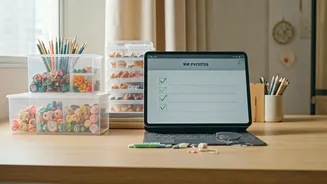
Z living in their own apartments, this ritual is getting a 21st-century upgrade. Fuelled by Instagram reels and a global focus on wellness, the chaotic, once-a-year deep clean is evolving into structured, often digital, decluttering challenges. This isn't just about making space for guests; it's about making space for mental clarity. It's less about a frantic scrub-down and more about a mindful, systematic purge of possessions that no longer 'spark joy', to borrow a phrase from decluttering guru Marie Kondo.
The Psychology of the Purge
Why the sudden obsession with curated closets and minimalist shelves? Experts point to a desire for control in a chaotic world. In small urban apartments where space is a premium, clutter can contribute to feelings of anxiety and being overwhelmed. The act of decluttering provides a tangible sense of accomplishment. Each item discarded or organised is a small decision made, a tiny problem solved. This process can reduce 'decision fatigue' in other areas of life. Moreover, these challenges, often broken down into daily 15-minute tasks, make the monumental job of organising an entire home feel achievable. The 'dopamine hit' of ticking off a task and sharing the 'before and after' pictures online creates a powerful cycle of positive reinforcement, turning a chore into a rewarding project.
How the 'Challenges' Work
Unlike the vague instruction to 'clean the house', these challenges provide a clear roadmap. They often come in formats like a '30-Day Minimalism Challenge' or a '7-Day Declutter Spree'. Some focus on a specific number of items to discard daily (the 'MinsGame'), while others tackle one small area at a time—the 'junk drawer' on Monday, the medicine cabinet on Tuesday, digital files on Wednesday. One popular method gaining traction is 'doom-boxing'—a term from social media for tackling piles of miscellaneous items you've been avoiding. The idea is to simply get everything into a box (or boxes) and then sort through it methodically, preventing the initial overwhelm that stops so many of us from even starting. The community aspect is key; participants share their progress online using a common hashtag, offering encouragement and accountability.
Your 5-Step Decluttering Kickstart
Feeling inspired? You don't need to wait for a viral challenge to begin. Here’s a simple way to start your own pre-festive reset: 1. **The Four-Box Method:** Get four boxes and label them: Keep, Donate/Sell, Trash, and Relocate. As you tackle a small area (like a single shelf), put every item into one of these boxes. It forces a decision and prevents you from just moving clutter around. 2. **Start with the Impersonal:** Don't begin with old photographs. Start with something easier, like your kitchen pantry or bathroom cabinet. Clearing expired spices or half-empty shampoo bottles gives you a quick, motivating win. 3. **The 'One In, One Out' Rule:** To maintain your newly cleared space, adopt this simple habit. Every time you bring a new item (like a t-shirt or a book) into your home, an old one must go out. 4. **Digitise Your Memories:** Can't part with your child's first drawing or a stack of greeting cards? Take high-quality photos of them and store them in a dedicated digital folder. You keep the memory without the physical clutter. 5. **Schedule It In:** Treat decluttering like any other appointment. Block out 20-30 minutes on your calendar a few times a week. Consistent, small efforts are far more effective than one exhausting marathon session.
From Clutter to Community
Perhaps the most significant evolution is what happens after the purge. The new decluttering movement places a strong emphasis on sustainability. Instead of just chucking things in the bin, there's a conscious effort to donate usable items, sell them on thrift platforms, or find local recycling centres. WhatsApp groups and neighbourhood forums light up with posts offering pre-loved clothes, books, and household goods. This transforms a personal project into a community-building exercise. It’s a full-circle moment: the act of clearing your own space directly contributes to someone else's, blending personal wellness with social responsibility. It's the old Indian value of resourcefulness given a modern, organised, and very Instagrammable new life.