





The Bedroom as a Digital Stage
For previous generations, a bedroom upgrade might have meant a fresh coat of paint or a new comforter. For Gen Z, born between 1997 and 2012, the room itself is an extension of their digital identity. In an era dominated by TikTok, Twitch, and video calls,
their personal space is frequently public-facing. This has transformed the bedroom from a private retreat into a multi-functional hub: it’s a classroom by day, a gaming arena by afternoon, and a social club by night. This new reality demands a space that can adapt its mood at the touch of a button. Static decor is out; dynamic, customizable environments are in. Lighting has become the most effective and affordable way to achieve this radical flexibility, allowing a room’s entire atmosphere to shift in seconds.
It's All About the 'Vibe'
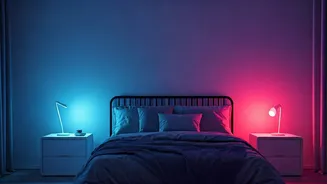
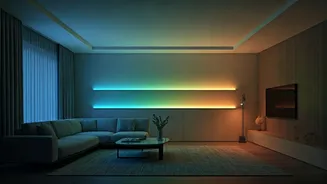
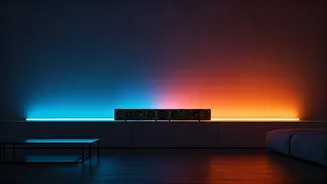
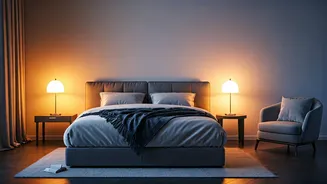
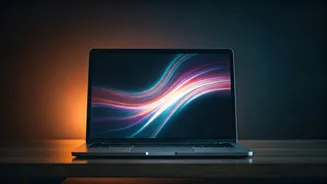
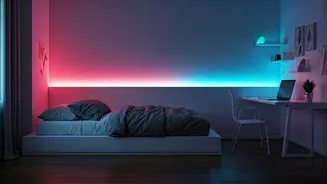
The key concept driving this trend is the 'vibe.' It’s an intangible quality—the overall mood and aesthetic of a space—that has become a primary goal in Gen Z interior design. A vibe isn't created with expensive furniture; it’s curated with color, sound, and light. Smart ambient lighting is the ultimate tool for vibe curation. Think of the iconic purple, pink, and blue glows that fill the backgrounds of countless TikTok videos or the reactive, color-changing lights that pulse to the beat of a streamer’s game. This aesthetic, borrowed from cyberpunk and synthwave genres, has become synonymous with online culture. LED light strips lining the edges of walls, smart bulbs shifting from a warm, focused light for studying to a cool, ethereal glow for relaxing, and projection lamps that cast artificial sunsets or galaxies onto the ceiling are all tools to dial in a specific, shareable mood.
Smarter, Not Just Brighter
This isn't your parents' dimmer switch. The technology behind this trend is both accessible and sophisticated. 'Smart ambient lighting' refers to a category of LED-based products—like light strips, bars, bulbs, and panels—that are connected to the internet and controlled via a smartphone app or voice assistant. Brands like Philips Hue, Govee, and Nanoleaf have become household names among this demographic. These systems go far beyond simple color changes. Users can create complex 'scenes' that blend multiple colors, program lighting to sync with music or on-screen action for immersive entertainment, or set schedules that gently wake them with a simulated sunrise. This level of control allows for a deeply personalized environment that reflects the user's activity and emotional state, making the lighting an active participant in their daily life rather than a passive utility.
An Expression of Digital Native Identity
Ultimately, the obsession with tech-integrated lighting is about more than just looking cool on camera. It’s a form of self-expression for the first generation of true digital natives. In a world where so much of their social life, entertainment, and identity is mediated through screens, it’s only natural that their physical spaces would begin to mirror the customizable, dynamic, and colorful nature of the digital realm. The ability to paint their walls with light gives them a sense of control and agency over their environment. A bedroom bathed in soft pink light feels different from one lit in electric blue, and the person inhabiting that space can choose which version of themselves and their world they want to project—both to themselves and to their online followers. It’s decor, but it's also a statement of identity.