

Meet Kalonji: The Seed of Many Names
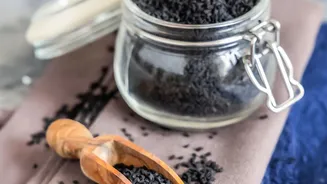
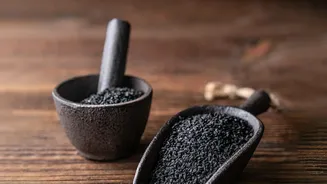
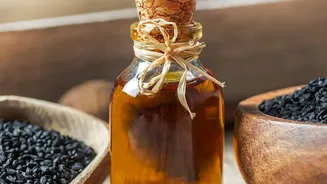
Often mistaken for black sesame, onion seeds, or black cumin, nigella seeds (kalonji) are a spice all their own. These small, matte black, triangular seeds come from the Nigella sativa plant, native to South and Southwest Asia. While they may look like
their doppelgängers from a distance, their flavour is profoundly different. Unlike the nutty sweetness of sesame, kalonji offers a complex profile that is pungent, slightly bitter, and savoury, with notes often compared to onion, oregano, and black pepper. This unique taste has made it a staple in Indian, Middle Eastern, and North African cuisines for centuries, found in everything from flatbreads to pickles.
The Toasty Warmth of White Sesame
White sesame seeds, or 'til', are the hulled seeds of the Sesamum indicum plant. Their flavour is mild, nutty, and slightly sweet, a profile that becomes deeper and more pronounced when toasted. This gentle character makes them incredibly versatile. They provide a pleasant crunch and a warm, nutty aroma without overpowering other ingredients, which is why they are a beloved topping for breads, buns, and bagels worldwide. While black sesame seeds are more nutrient-dense, with higher levels of calcium and antioxidants, white sesame seeds are prized for their delicate flavour and are the foundation of tahini, a staple paste in Middle Eastern cooking.
A Tale of Two Aromas on Bread
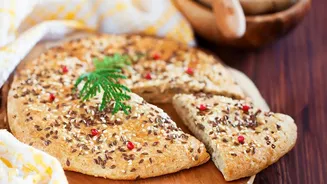
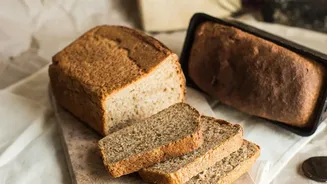
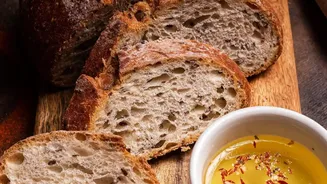
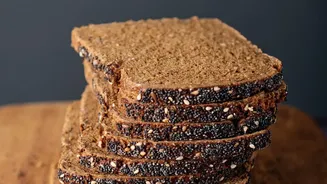
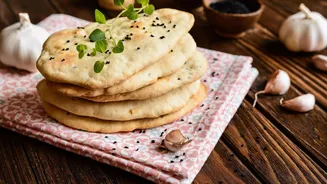
When sprinkled on bread, the difference between the two seeds becomes clear. White sesame seeds contribute a subtle, nutty toastiness that complements the dough. They are agreeable and familiar. Nigella seeds, however, are transformative. As they bake, they release their pungent, peppery, and onion-like aromas, infusing the crust with a much deeper, more complex savoury character. The bitterness cuts through the richness of breads like naan or focaccia, while the peppery notes add a layer of spice that plain sesame cannot replicate. If white sesame is a gentle harmony, kalonji is a bold, savoury melody that makes you take notice.
How to Best Use Kalonji in Baking
To get the most out of nigella seeds, a little heat is key. While you can sprinkle them directly onto dough before baking, lightly dry-roasting them in a pan for about 30 seconds beforehand awakens their full aromatic potential. This brief toasting session mellows their bitterness and amplifies the nutty, oniony notes. For breads like naan, kulcha, or other savoury flatbreads, simply press the seeds into the dough before baking. They also work wonderfully mixed into the dough of savoury biscuits or buns, providing bursts of flavour from within. Don't be shy with quantity, but also don't overdo it; a teaspoon or two per loaf is usually enough to impart its signature taste.
Beyond the Loaf: A Kitchen Essential
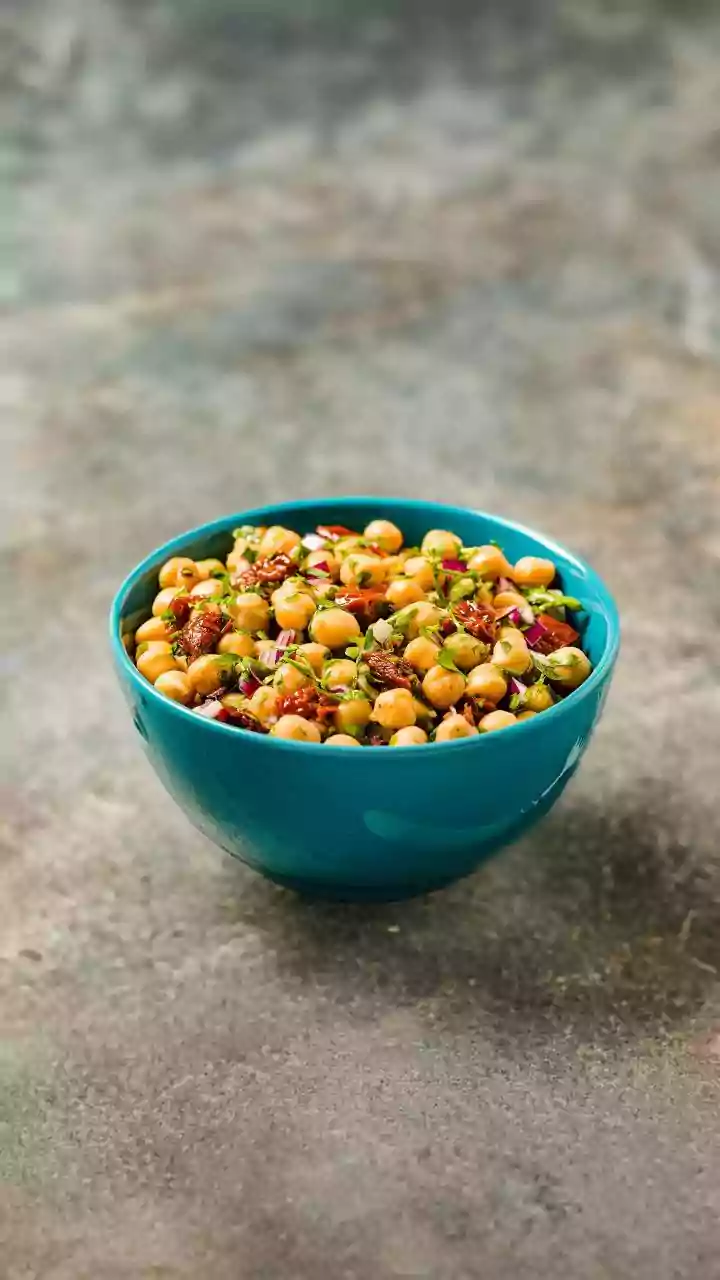
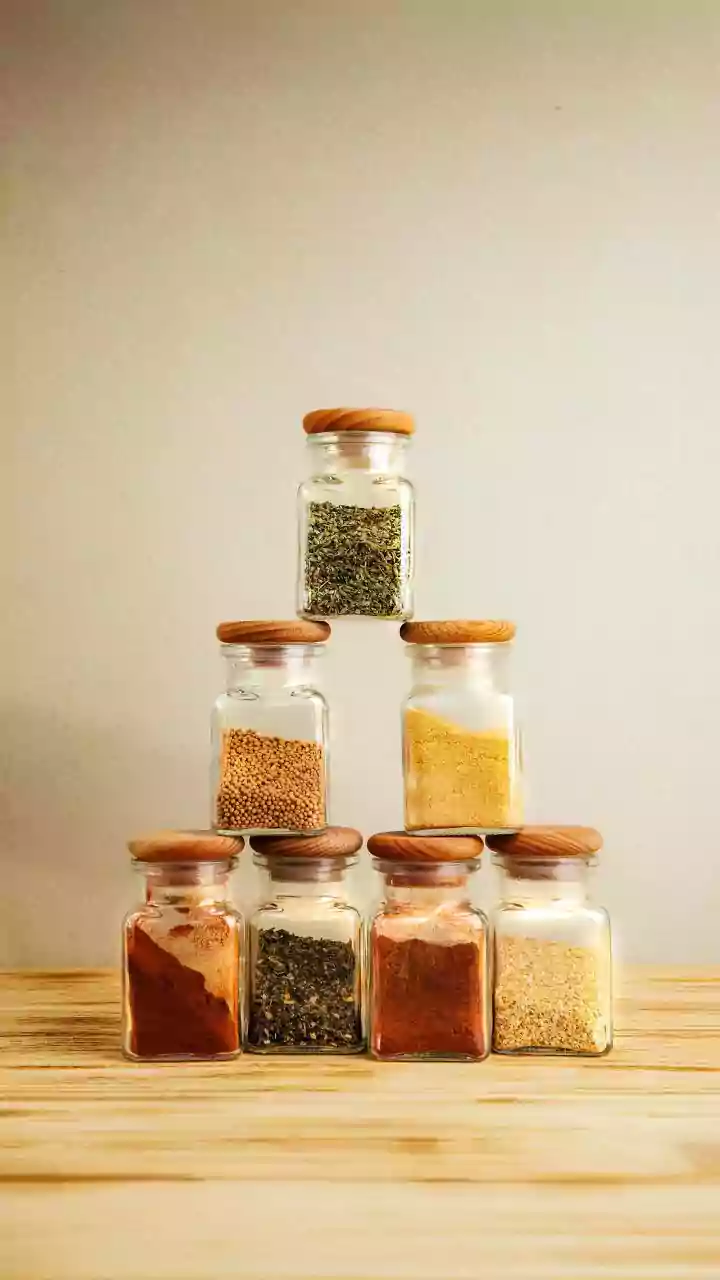
Kalonji's talents extend far beyond being a bread topping. In Indian kitchens, it's a workhorse spice. It's a key component of the Bengali five-spice blend 'panch phoron', used to temper dals and vegetable dishes. The seeds are fried in hot oil or ghee at the beginning of the cooking process, a technique called 'tadka', to infuse the entire dish with their unique aroma. They are essential in many types of 'achaar' (pickles), where their pungent flavour provides a perfect counterpoint to the sourness of mango or lime. You can also sprinkle them over salads, roasted vegetables like potatoes and cauliflower, or even egg dishes for an unexpected and delicious crunch.