


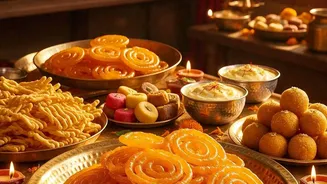
Know Your Mithai's Lifespan
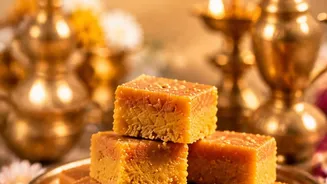
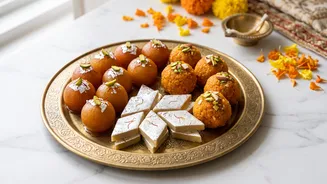
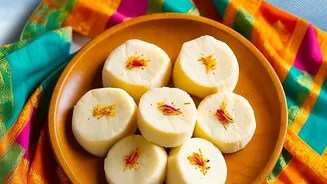
Not all sweets are created equal. Those made with khoya, mawa, milk, or fresh paneer—like milk cake, kalakand, and many types of peda and barfi—are highly perishable. Their high moisture and dairy content make them a prime breeding ground for bacteria.
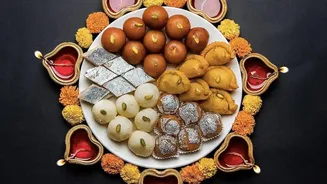
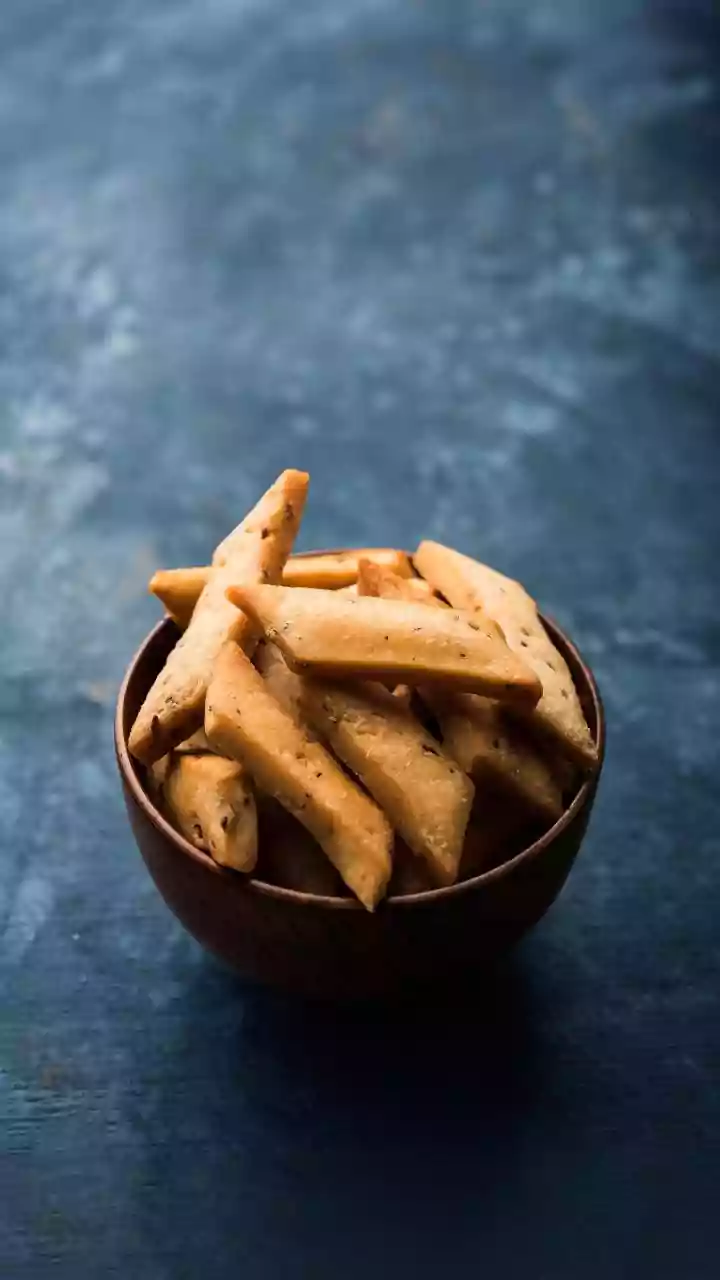
Sweets with a lower moisture content, such as those made primarily with ghee, nuts, or flour like besan ladoo or kaju katli, tend to last much longer. For this reason, it’s wise to prioritise eating the milk-based sweets first. When you receive a box of assorted mithai, identify the dairy-rich ones and plan to consume or store them immediately.
The Two-Hour Rule At Room Temperature
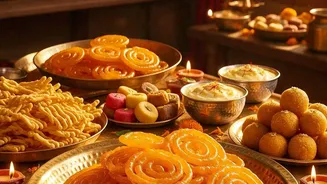
While it’s tempting to leave platters of sweets out for guests, dairy-based mithai should not sit at room temperature for more than a couple of hours. In warmer climates, this window is even shorter. Heat and humidity accelerate spoilage. A good practice is to serve smaller portions on platters and replenish them as needed, keeping the main stock in the refrigerator. After your celebrations for the day are over, any perishable sweets left out should be refrigerated immediately. Never store warm sweets; allow them to cool completely to room temperature before packing them away to prevent condensation, which can make them soggy and speed up decay.
Refrigeration Is Non-Negotiable
For any milk-based sweet you don't plan to eat within a day, the refrigerator is your best friend. Storing them correctly can extend their life from a mere day or two to about a week. The ideal temperature is between 2°C and 5°C. Use airtight containers made of glass or stainless steel. This is crucial for two reasons: it prevents the sweets from drying out and absorbing strong odours from other foods in the fridge, and it protects them from airborne moisture and microbes. Avoid flimsy packaging or just covering a box with foil; a proper seal is key to maintaining texture and flavour.
How To Spot Spoilage
Before eating any stored sweet, give it a quick inspection. The signs of spoilage are usually obvious. Your first clue will often be the smell; a sour or fermented odour is a clear sign the sweet has gone bad. Visually, look for any fuzzy spots of mould, which can be white, green, or black. The texture might also change, becoming slimy, sticky, or unusually hard. If you are still unsure, a tiny taste can confirm, but be cautious. If it tastes even slightly sour or bitter, it’s not safe to eat. The golden rule of food safety is simple: when in doubt, throw it out. It's not worth the risk of food poisoning.
Freeze for Longer Life
If you have a large quantity of sweets like barfi or peda that you know you can't finish within a week, freezing is a viable option. While it can slightly alter the texture of some delicate mithai, it's an effective way to prevent waste. To freeze, wrap individual pieces tightly in plastic wrap or butter paper, then place them in an airtight, freezer-safe container. Label the container with the date. Most dairy-based sweets can be frozen for up to a month. To thaw, simply move them to the refrigerator overnight or let them sit at room temperature for a few hours. Avoid using a microwave, as it can ruin the texture.