
The Allure of the Second City
Why the shift? Seasoned travellers and first-timers alike are seeking more personal and rewarding journeys. This trend, sometimes called 'town-sizing', is a move towards destinations with walkable streets, fewer crowds, and a stronger sense of local life.
In these smaller hubs, you can often find better value for your money, from accommodation to dining, allowing for a more relaxed and immersive trip. It's about trading overwhelming tourist landmarks for the charm of discovering a place at a slower pace, interacting with locals, and feeling more like a temporary resident than a visitor just passing through. These cities offer a different kind of magic, one that feels both intimate and expansive.
Ghent, Belgium: A Fairytale Vibe
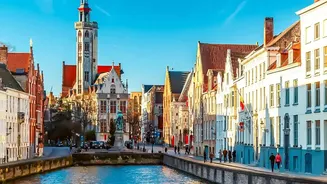
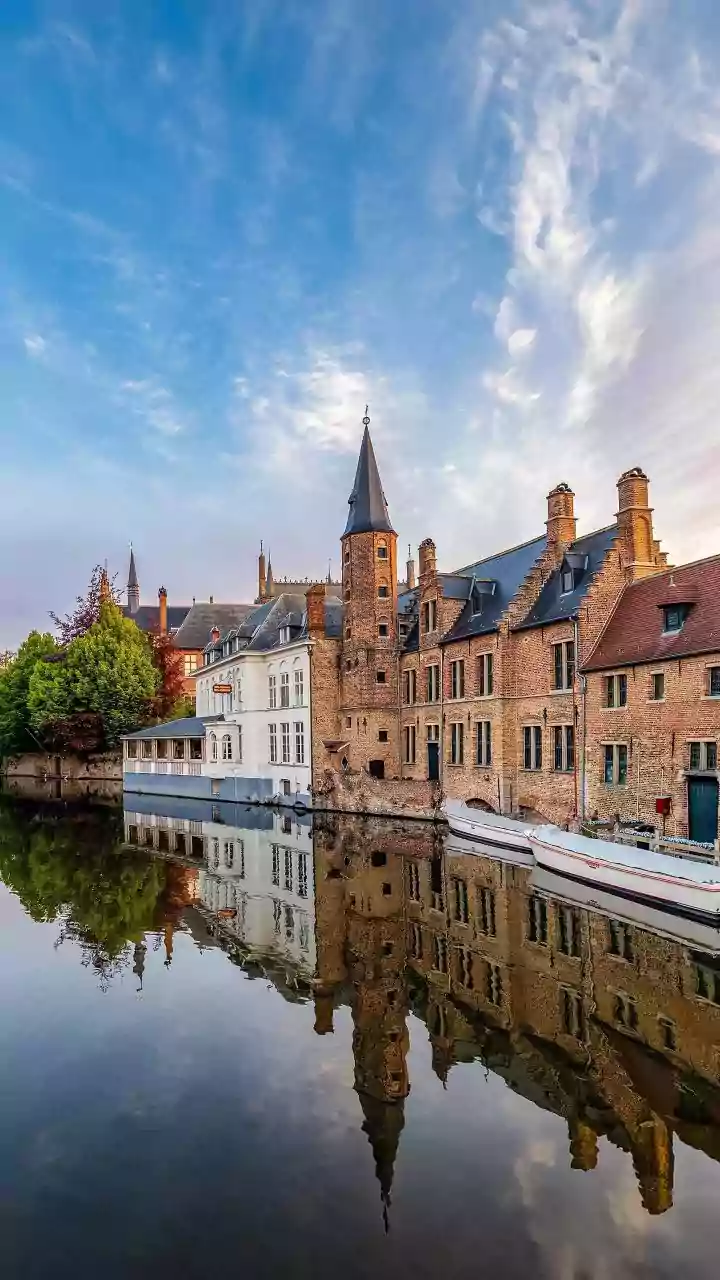
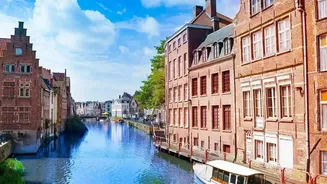
Often living in the shadow of nearby Bruges and Brussels, Ghent is a vibrant city that perfectly blends medieval history with a lively, modern energy. Its city centre is a stunning tapestry of canals, soaring church spires, and the imposing Gravensteen, a 12th-century castle right in the middle of town. Wander the cobblestone streets of the Patershol neighbourhood, discover colourful street art, and be sure to admire the view from the Graslei and Korenlei, two picturesque quays along the Leie River that look like a scene from a storybook. With a large student population, the city has a buzzing nightlife and a fantastic beer culture; a visit to a traditional 'brown café' like Dulle Griet is a must.
Bologna, Italy: The Foodie's Paradise
While many travellers head to Rome or Florence, Italy's culinary heart arguably beats strongest in Bologna. Known as 'La Grassa' (the fat one), this is the place to indulge in some of the country's most iconic dishes, like fresh tagliatelle al ragù and tortellini. Beyond the food, Bologna is a beautiful city of red-brick buildings and endless porticoes—covered walkways that make it pleasantly walkable in any weather. Climb the Asinelli Tower for panoramic views, explore Piazza Maggiore, the city's bustling main square, and get lost in the Quadrilatero, an ancient market area still brimming with food stalls and delis. Its university, founded in 1088, is the oldest in the Western world, infusing the historic city with a youthful, intellectual vibrancy.
Ljubljana, Slovenia: Europe's Green Gem
Slovenia's capital is one of Europe's greenest and most liveable cities, and it's an absolute delight to explore. The Ljubljanica River winds through the centre, its banks lined with cafes and crossed by unique bridges, including the famous Dragon Bridge. The Old Town is entirely pedestrianised, making for a relaxed atmosphere as you wander its colourful streets. Take the funicular up to Ljubljana Castle, which overlooks the city, for stunning views of the terracotta rooftops against a backdrop of the Alps. Don't miss Metelkova, an alternative cultural centre housed in a former military barracks, now covered in vibrant street art and hosting quirky galleries and bars. Ljubljana feels like a hidden gem, offering a calm and charming alternative to more frantic capitals.
Porto, Portugal: Charm on the Douro
Lisbon's northern counterpart, Porto, offers a captivating, slightly gritty charm all its own. Set on the steep banks of the Douro River, the city is a maze of narrow, winding streets, colourful tiled facades (azulejos), and dramatic views. Explore the historic Ribeira district, a UNESCO World Heritage site, and cross the iconic Dom Luís I Bridge to Vila Nova de Gaia on the opposite bank. This is the home of the world-famous port wine cellars, where you can take a tour and enjoy a tasting. Be sure to visit the São Bento Railway Station to admire its magnificent tile panels and climb the Clérigos Tower for a breathtaking perspective over the city's landscape of terracotta roofs.