


The Two Faces of Jackfruit
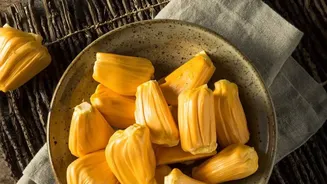
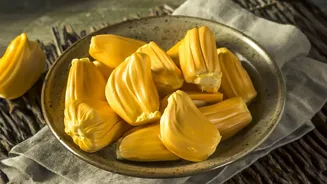
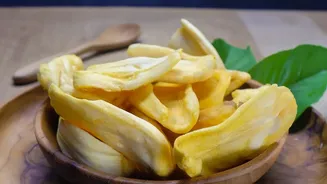
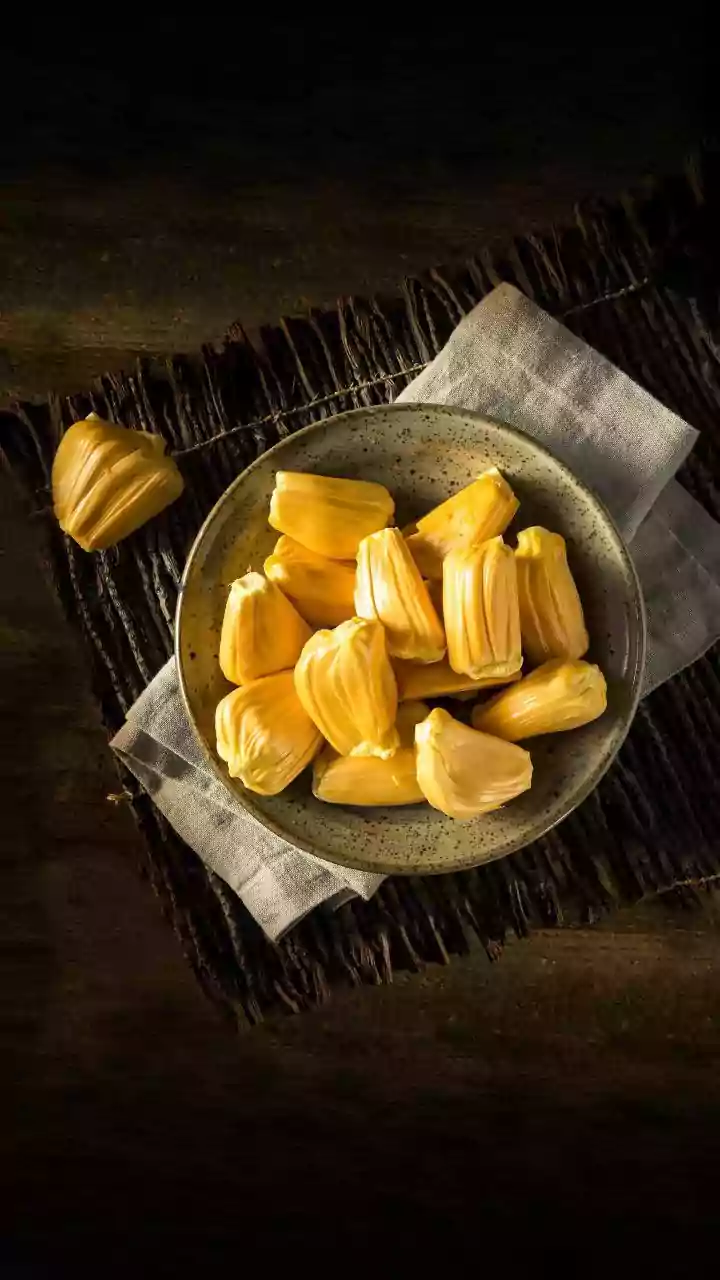
Before we dive into the kitchen, it's crucial to understand that not all jackfruit is the same. The ripe, yellow-fleshed fruit is intensely sweet, with a flavour profile often compared to a mix of banana, mango, and pineapple. It's enjoyed raw or in desserts.
In contrast, young, green jackfruit—known as 'kathal' in Hindi—is the one we're interested in for savoury cooking. Harvested before the sugars develop, it has a neutral taste and a firm, fibrous consistency. This unprocessed state is a blank canvas, ready to absorb any flavours you throw at it.
A Parsi Korma Classic
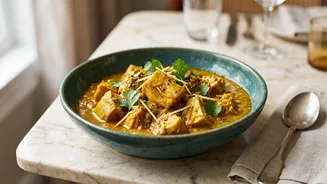
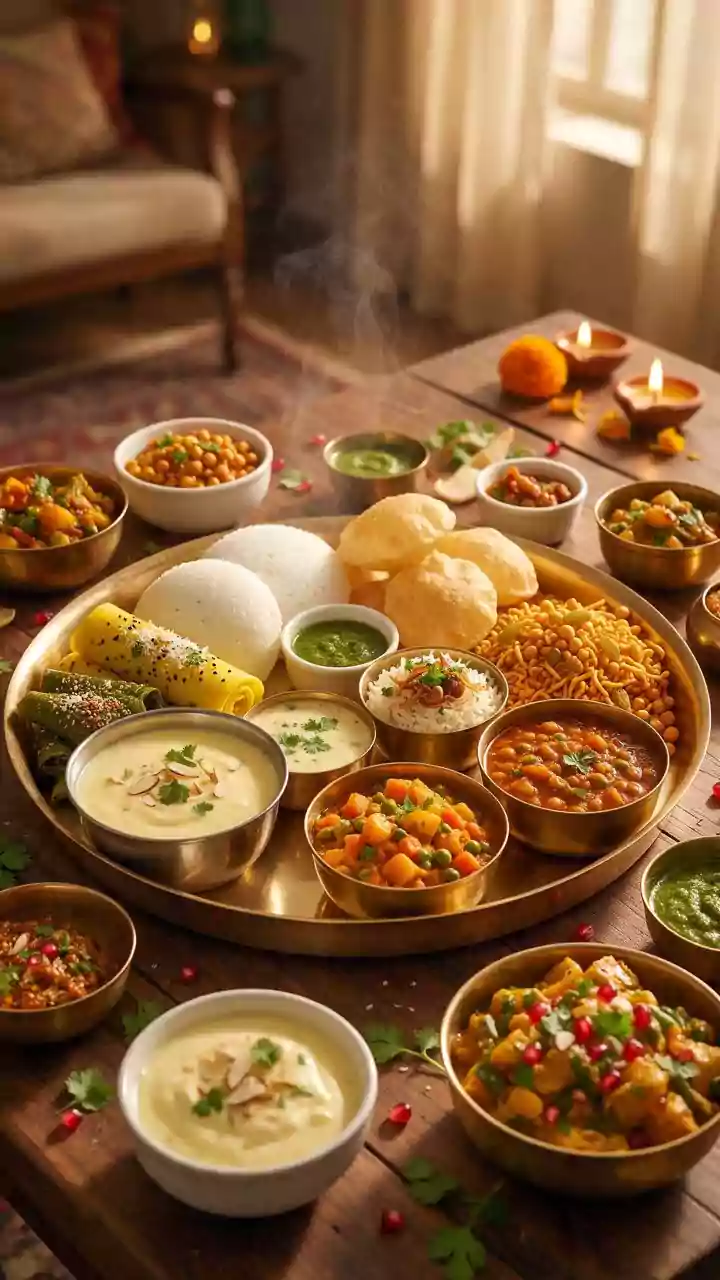
Parsi cooking is renowned for its unique blend of sweet, sour, and spicy flavours, and its inventive approach to ingredients. A prime example is a rich and aromatic kathal korma, a recipe that has been treasured in Parsi club cookbooks for generations. In this dish, chunks of young jackfruit are often fried until golden and then simmered in a velvety gravy made from yogurt, ground nuts like chironji or cashews, and a host of aromatic spices such as cinnamon, cardamom, and cloves. The result is a vegetarian dish so hearty and complex that it can easily stand in for its meaty counterparts at any celebratory feast. The jackfruit doesn't just feature in the dish; it stars, its texture softening while retaining a satisfying, meaty bite.
The Science of Savoury Success
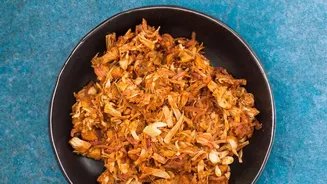
So, why does young jackfruit work so well? The magic lies in its composition. Its fibrous, stringy texture is remarkably similar to that of pulled pork or shredded chicken, making it a natural choice for mimicking meat. Because it's unripe, its flavour is subtle and not at all sweet, allowing it to act like a sponge for marinades and gravies. Whether it's the smoky char of a barbeque sauce or the intricate spice blend of an Indian curry, kathal absorbs it all beautifully. Furthermore, it's a good source of dietary fibre, potassium, and vitamin C, adding a nutritional boost to your meals.
Beyond the Parsi Kitchen
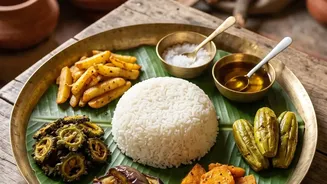
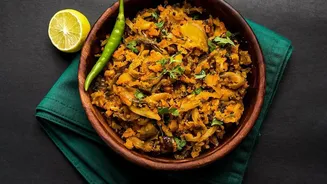
While the Parsi korma is a standout, the love for kathal isn't limited to one community. Across India, young jackfruit is a celebrated ingredient. In the South, it finds its way into flavourful curries and stir-fries. In the North, it's the star of Kathal ki Sabzi, a robust and spicy dish often served at special occasions. You’ll also find it in everything from biryanis, where it provides a toothsome bite, to cutlets and kebabs. Its widespread use is a testament to its versatility, proving it's far more than just a trendy 'vegan meat' but a traditional and beloved vegetable in its own right.
Tips for Preparing Kathal
The one hurdle that can intimidate home cooks is the preparation. Cutting a raw jackfruit can be a sticky affair due to its natural latex sap. The trick, passed down through generations, is to generously oil your hands, the knife, and your cutting board before you begin. This prevents the sap from sticking to everything. After peeling the spiky green skin, chop the flesh into chunks, removing the hard central core. If you're not ready for the full experience, don't worry. Many stores now offer pre-cut fresh or frozen kathal, and canned young jackfruit in brine or water is an excellent and convenient alternative. Just be sure to rinse it well before using to remove any excess salt.