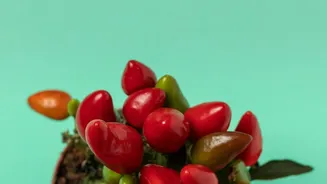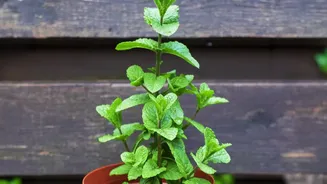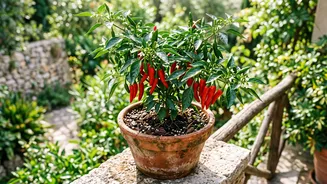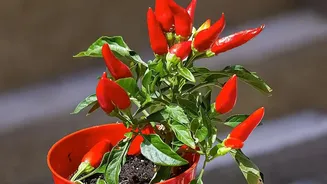



Your Pot and Seeds
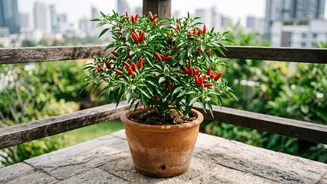
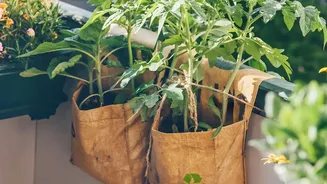
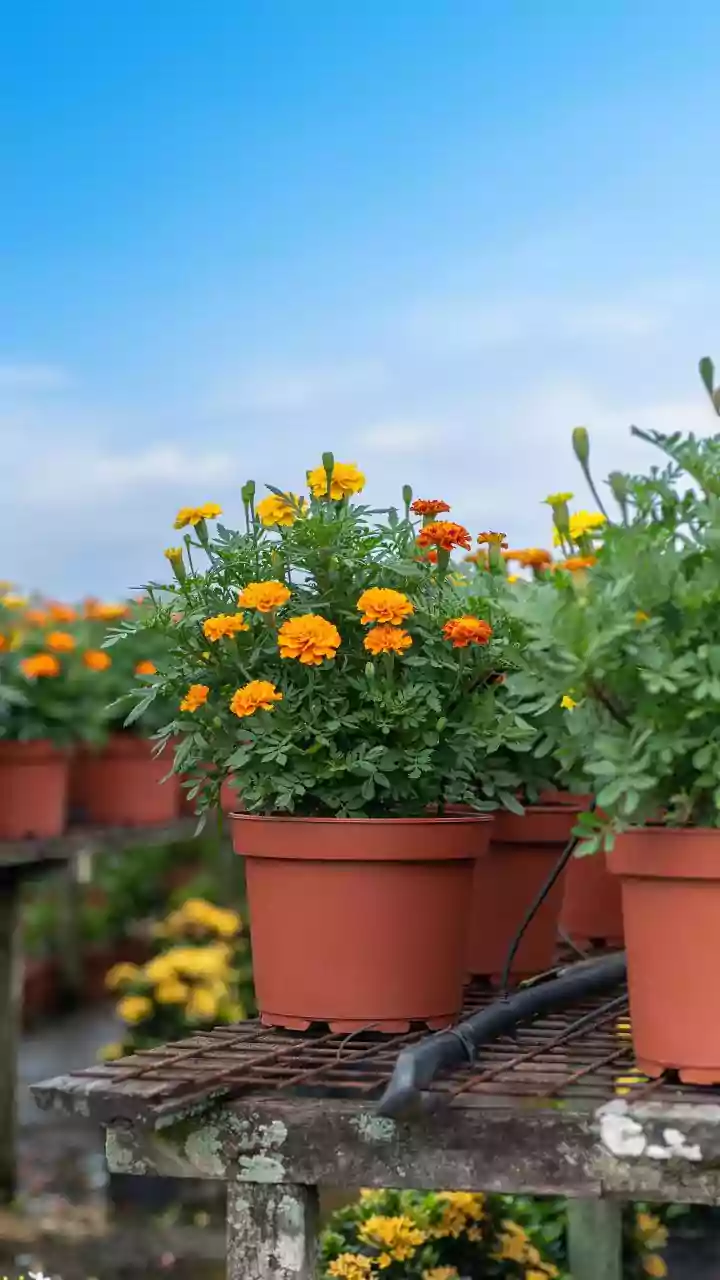
Your journey begins with selecting the right home for your plant. Thai chillies are compact and grow well in containers, making them perfect for balconies. Choose a pot that is at least 8 to 12 inches deep and wide. This size provides ample space for roots
to develop without becoming constricted. Terracotta, plastic, or grow bags all work well, but the non-negotiable feature is drainage holes at the bottom. Chilli plants despise waterlogged soil, and proper drainage is essential to prevent root rot. For seeds, you can either purchase a packet of Thai 'Bird's Eye' chilli seeds from a nursery or online, or even use seeds from dried chillies in your kitchen. For beginners, starting with a small, healthy seedling from a nursery can be an easier entry point, as it already has an established root system.
The Perfect Soil Mix
Chilli plants thrive in a soil mix that is loose, well-draining, and rich in nutrients. You can buy a pre-made potting mix, but creating your own is simple and effective. A fantastic, all-purpose blend for chillies in the Indian climate combines equal parts garden soil, compost, and cocopeat. The garden soil provides structure, compost enriches the mix with essential organic nutrients, and cocopeat (made from coconut husks) helps retain moisture while keeping the soil airy and preventing compaction. Before planting, mix these three components thoroughly. The final texture should be light and crumbly, not dense or clay-like. This balanced environment gives the roots the perfect combination of moisture, nutrition, and oxygen.
Sunlight is Everything
The 'sunny balcony' in the headline is the most critical element for success. Chilli plants are sun-worshippers and require at least six to eight hours of direct, bright sunlight every day to produce a healthy crop of fruit. A south-facing balcony is ideal as it typically receives the most intense and prolonged sun exposure. An east or west-facing balcony can also work, though your harvest might be slightly less abundant. Without enough sunlight, your plants may grow tall and leafy but will be reluctant to flower or produce chillies. Position your pots in the sunniest spot you have and watch them thrive.
Watering and Feeding
Watering is a balancing act. The goal is to keep the soil consistently moist but never soggy. A good rule is to water the plant deeply whenever the top inch or two of soil feels dry to the touch. In hot Indian summers, you may need to water daily, but always check the soil first. Potted plants require more frequent feeding than those in the ground because nutrients get washed out with each watering. For the first few weeks after potting, the compost will provide enough food. After that, start feeding your plant every two to four weeks with a balanced liquid fertiliser. Once flowers begin to appear, switch to a fertiliser that is higher in potassium, like a tomato feed, to encourage abundant fruit production.
Pest Patrol for Balconies
Even on a balcony, your chilli plant might attract some unwelcome visitors. Common pests in India include aphids, thrips, and spider mites. Aphids are small, pear-shaped insects that suck sap and cause leaves to curl. Thrips are tiny and can cause silvery patches on leaves. Spider mites, which thrive in dry conditions, live on the underside of leaves and can cause a mottled, yellow appearance. The best defence is regular inspection. Check the undersides of leaves for any signs of infestation. For most minor outbreaks, a strong spray of water can dislodge pests. A simple solution of neem oil mixed with water and a drop of liquid soap is an effective organic pesticide for managing these common issues.
Harvesting Your Fiery Rewards
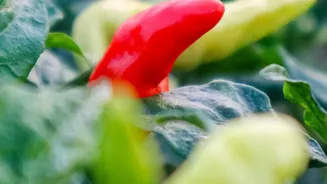
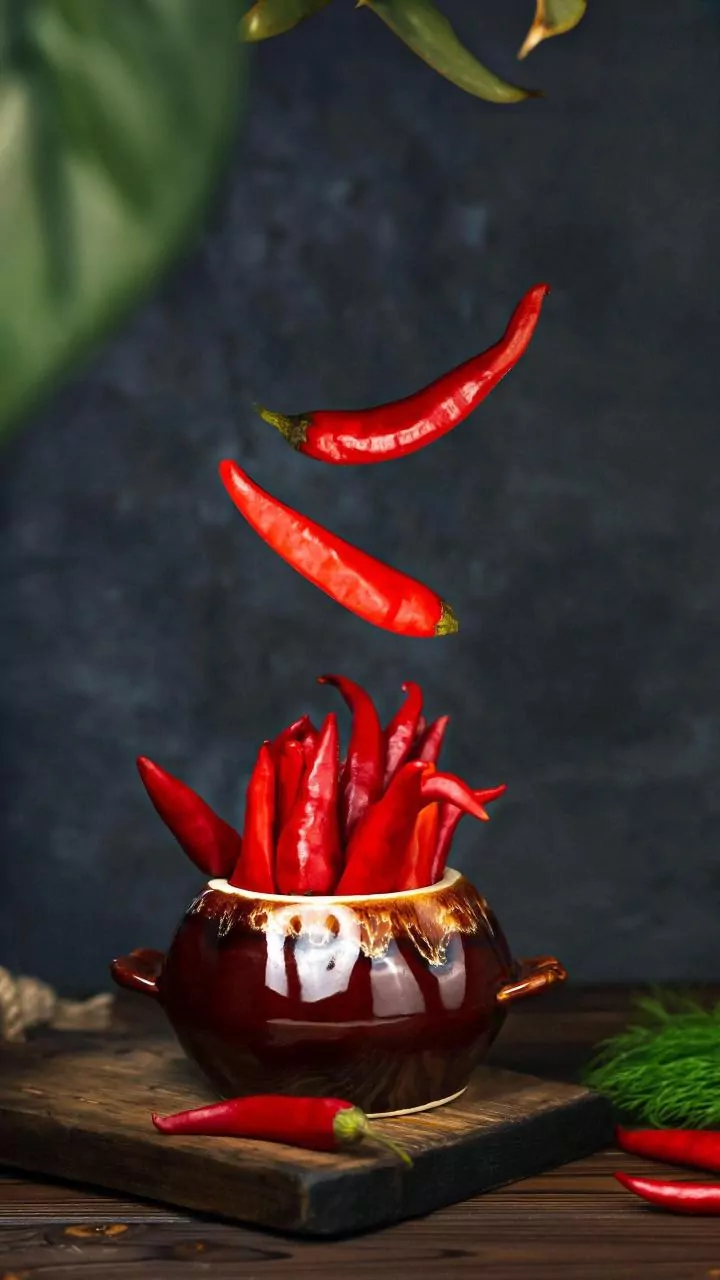
After about 80 to 100 days, you'll get to enjoy the literal fruits of your labour. Thai chillies, also known as Bird's Eye chillies, typically start green and turn a vibrant red as they mature. You can harvest them at either stage. Green chillies will have a fresh, sharp heat, while red chillies will be much spicier and have a more developed flavour. To harvest, use a pair of scissors or small pruners to snip the chillies from the stem. Pulling them off by hand can damage the delicate branches. Regular harvesting encourages the plant to produce more flowers and, consequently, more chillies, ensuring you have a steady supply for your kitchen adventures.