


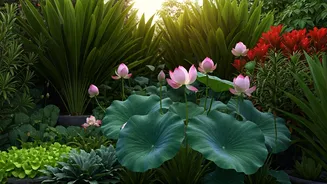


The Science of a Soggy Pot
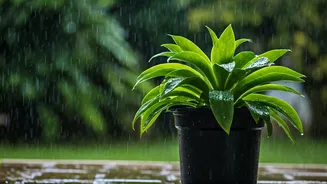
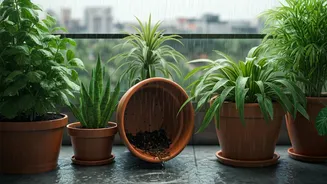
During the monsoon, the air is saturated with humidity, sunlight is scarce, and the soil in your pots dries out much slower than in the hot summer months. When you add frequent watering to the mix, or simply leave pots exposed to constant rain, the soil becomes
waterlogged. This suffocates the plant's roots. Just like us, roots need to breathe; they absorb oxygen from small air pockets in the soil. When these pockets are filled with water, the roots effectively drown, leading to root rot. This is the primary reason why well-intentioned gardeners find their plants wilting and dying despite the soil being constantly wet.
Warning Signs: How to Spot a Drowning Plant
An overwatered plant sends out several distress signals. The most common sign is leaves turning yellow, often starting with the lower, older ones. Unlike underwatering, which makes leaves dry and crispy, overwatering results in leaves that are soft and limp. You might also notice the base of the stem feeling mushy, a general lack of new growth, or leaves dropping off prematurely. In some cases, a musty or rotten smell may emanate from the soil, which is a clear sign of decay setting in beneath the surface. Paradoxically, the plant may look wilted, which tempts many to water it even more, worsening the problem.
Prevention Starts with the Right Foundation
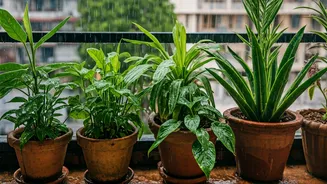
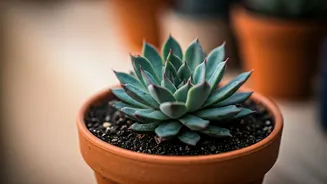
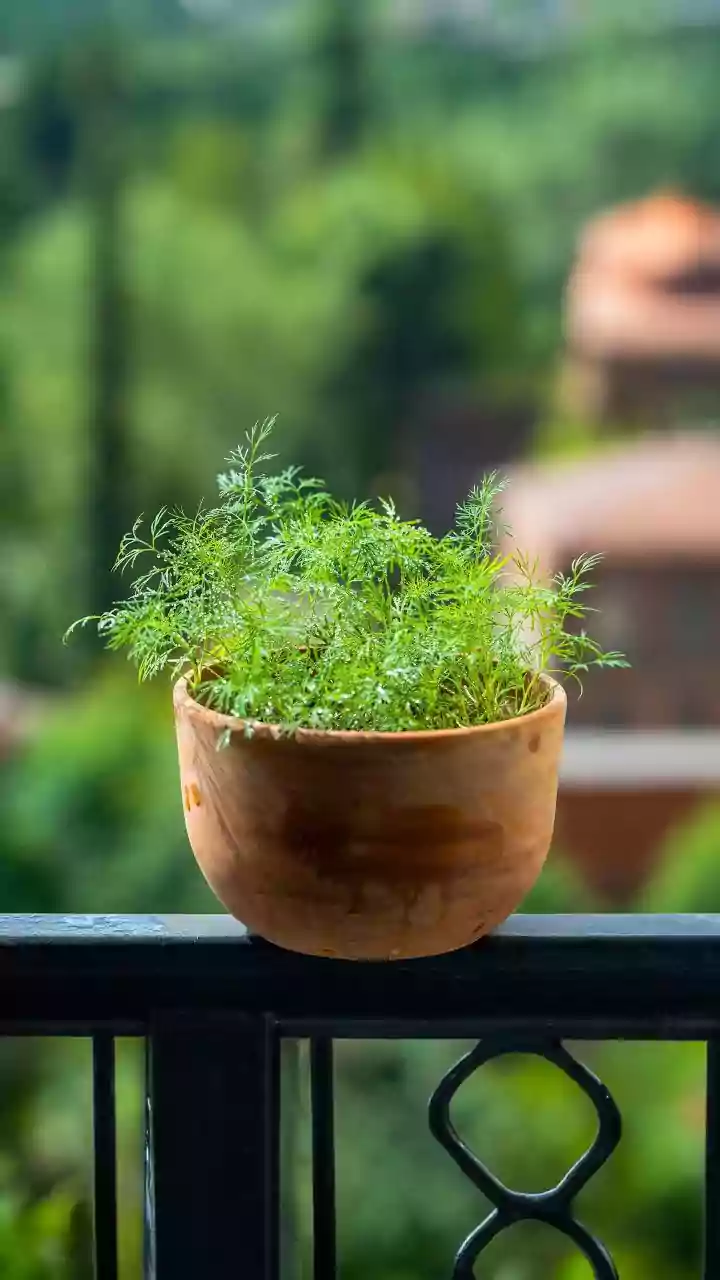
The best defence against monsoon overwatering is preparation. Start with the right container and soil. Terracotta or clay pots are preferable as their porous nature helps the soil breathe. Most importantly, ensure your pots have adequate drainage holes at the bottom. You can even elevate pots on bricks or 'pot feet' to ensure water can escape freely and doesn't collect in the saucer. The soil itself is critical. Heavy garden soil compacts in pots and retains too much water. Instead, use a light, well-draining potting mix. A good combination for Indian conditions is a mix of garden soil, compost, and a material like cocopeat, sand, or perlite, which creates air pockets and prevents waterlogging.
Rethink Your Watering Routine
During the monsoon, your summer watering schedule is obsolete. The golden rule is to always check the soil before watering. Stick your finger about two inches into the soil; if it feels moist, hold off on watering. Let the natural rainfall do its job. If your plants are in a covered area, water them only when the top layer of soil is genuinely dry to the touch. It’s far easier for a plant to recover from being slightly too dry than from being chronically overwatered. If possible, move smaller pots to a sheltered spot during periods of relentless downpour to give them a break.
First Aid for Overwatered Plants
If you suspect a plant is already suffering, you may still be able to save it. Gently remove the plant from its pot and inspect the roots. Healthy roots are firm and whitish, while rotten roots will be brown, black, and mushy. Using a clean pair of scissors, carefully trim away all the dead or rotting roots. Prune any yellow or heavily damaged leaves as well, so the plant can direct its energy toward new growth. Repot the plant in fresh, dry, well-draining soil. After repotting, wait a few days before watering lightly to allow the recovering roots to settle in.