


Why Go Offbeat in the Monsoon?
While many travellers shy away from the mountains during the rains due to landslide risks, the monsoon transforms Himachal's lesser-known valleys into verdant paradises. Destinations like Tirthan Valley and Shoja offer a different kind of experience—one
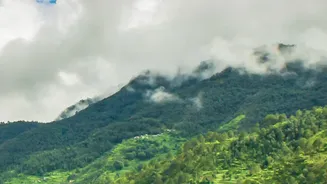
defined by misty mornings, the scent of wet earth, swelling waterfalls, and a profound sense of peace. Unlike crowded hubs, these areas promise a slower pace of life, fewer tourists, and a more intimate connection with nature. The monsoon is when these regions are at their greenest, with clouds dramatically rolling through the valleys. It is the perfect time for those who enjoy the atmosphere of rain-washed hills and cozy indoor days spent reading by a window.
Tirthan Valley: A Riverside Paradise
Tirthan Valley, named after the pristine Tirthan River, is a gateway to the Great Himalayan National Park (GHNP), a UNESCO World Heritage Site. This distinction has helped preserve its natural beauty and kept large-scale commercialism at bay. During the monsoon, the river runs full, and the surrounding pine and deodar forests are shrouded in a cinematic mist. It's a haven for nature lovers, anglers, and anyone looking to escape the city's chaos. The valley is dotted with charming villages like Gushaini and Nagini, where traditional wooden homes and warm hospitality define the experience.
Monsoon Activities in Tirthan
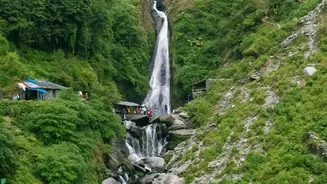
While heavy rains can make some high-altitude treks risky, there's still plenty to do. Trout fishing in the Tirthan River is a popular activity, though it's best to check local conditions as the river can be fast-flowing. Short, accessible hikes to nearby waterfalls, like the Chhoie Waterfall, are particularly rewarding during this season as the cascades are at their most powerful. Village walks are another excellent way to spend your time, offering glimpses into the slow-paced local life. Many visitors simply choose to unwind at a riverside homestay, enjoying home-cooked meals and the soothing sound of the river. However, it's crucial to be cautious; stick to well-marked trails, check weather updates, and avoid venturing close to the fast-flowing river.
Shoja: The Quiet Hamlet Above
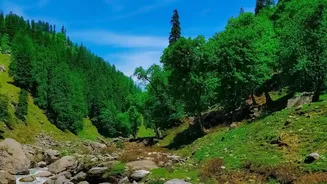
A short, scenic drive from the Tirthan Valley area, Shoja is a quieter, more atmospheric destination. Perched at a higher altitude on the way to Jalori Pass, this small hamlet is known for its dense forests, stunning mountain views, and profound silence. If Tirthan is about the river, Shoja is about the forest and the fog. In monsoon, it becomes a misty wonderland, where clouds drift into your room and the world outside feels hushed and serene. It attracts travellers looking for solitude, slow travel, and a break from activity-based tourism.
Experiences in Misty Shoja
Shoja's charm lies in its simplicity. The main activity here is to relax and soak in the peaceful environment. On clearer days, a drive up to Jalori Pass (around 3,120 metres) offers spectacular panoramic views of the Himalayas. From the pass, a short trek can take you to Serolsar Lake, though the trail can be slippery and should only be attempted if conditions are safe. Otherwise, short walks through the dense deodar forests surrounding the village are a magical experience in themselves. The monsoon is the ideal time for those who want to disconnect, read, write, or simply watch the rain fall over the mountains from a cozy wooden cabin.
How to Reach and Where to Stay
The gateway to both Tirthan Valley and Shoja is the town of Aut, located on the Delhi-Manali highway. From Delhi or Chandigarh, you can take an overnight Volvo bus to Aut. From Aut, Tirthan Valley's main villages like Gushaini are about a 1-1.5 hour taxi ride away, while Shoja takes closer to 2 hours. The nearest airport is in Bhuntar (Kullu), about two hours from Tirthan. Accommodation in both valleys leans towards authentic, local experiences. You'll find an abundance of family-run homestays and guesthouses that offer warm hospitality and delicious Himachali food. In Shoja, charming wooden cottages and hostels are also popular. It is advisable to book in advance, especially for weekend travel.