

The Uncompromising Soul of Indian Food
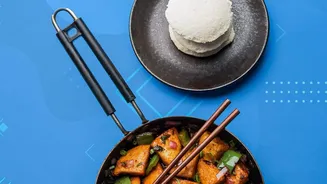
The heart of Indian regional cooking lies in its techniques and textures, which are often non-negotiable. It is the pungent kick from freshly ground spices from a 'sil-batta', the fluffy perfection of idli batter fermented just so, or the smoky aroma
of a 'dum' cooked biryani. For years, the promise of convenience from modern appliances came with a compromise on these authentic results. Many early gadgets like microwaves failed to become kitchen staples because they couldn't handle core Indian techniques like tempering spices or achieving the right sear. The home cook's loyalty was, and remains, to the final flavour, not the efficiency of the process. This refusal to compromise has become the driving force of innovation, forcing technology to bend to tradition, not the other way around.
Manufacturers Are Finally Listening
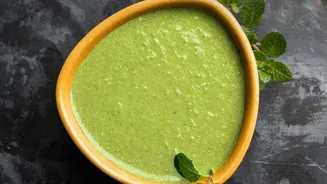
Appliance makers have realised that the Indian kitchen is not a market where global designs can simply be inserted. To succeed, they must engineer products for the specific, rigorous demands of local cuisine. The humble mixer grinder, an appliance that has been essential since the 1960s, is a prime example. Modern 'mixies' now come with robust motors and specialised jars designed to replicate the stone-ground texture essential for chutneys and masalas. This trend extends across the board. Induction cooktops now feature pre-set Indian menu options like 'dosa', 'chapati', and 'tadka' modes. Pressure cookers, a long-time staple, are being built with thicker bases and better safety features to handle the daily, high-heat cooking common in Indian households. Even international appliances are getting an Indian makeover. Air fryers now include accessories and presets for making snacks like samosas and kebabs with less oil.
The Clever Hacks of the Modern Cook
While manufacturers play catch-up, a parallel revolution is happening in homes. Indian cooks have become experts at co-opting global appliances for their own purposes. The Instant Pot, an electric multi-cooker, has been widely embraced for its ability to sauté, pressure cook, and slow cook in one vessel, making it perfect for preparing complex dishes like rajma or biryani without constant supervision. Similarly, the air fryer is being used for much more than just fries. Home cooks are using it to roast brinjal for 'baingan bharta' without oil, make crispy paneer tikka, and even prepare 'aloo gobi'. These user-led innovations demonstrate a powerful trend: when a tool is versatile, the Indian cook will find a way to make it work for traditional recipes, often sharing their discoveries online and creating a new, crowd-sourced culinary knowledge base.
More Than Convenience, It's Preservation
This synergy between old and new is about more than just saving time. In an era of nuclear families and demanding careers, these adapted appliances are becoming crucial tools for cultural preservation. A complex dish that might have taken a grandmother an entire morning to prepare can now be attempted by her granddaughter on a busy weeknight. A stand mixer can knead the perfect dough for rotis, and a powerful blender can create the smooth batter for dosas, tasks that were once physically demanding and time-consuming. By lowering the barrier to entry for complex recipes, technology is ensuring that culinary heritage is not just admired but actively practiced by a new generation. It allows people to stay connected to the flavours of their childhood without being constrained by the laborious processes of the past.