




The New Corner Office
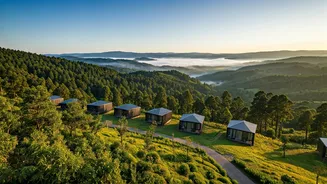
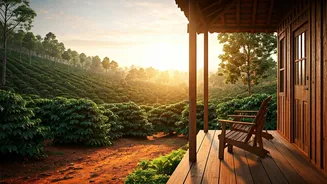
Forget the glass-walled cabins of Bengaluru's tech parks or the sprawling campuses in Gurugram. The most coveted workspace for a new wave of Indian tech professionals has a different view altogether. It’s a rustic wooden table in a hillside cafe, a balcony
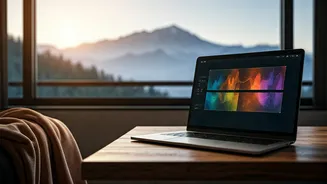
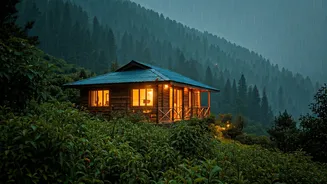
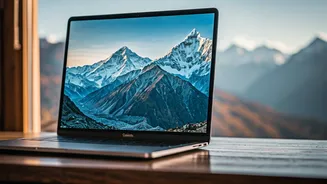
overlooking prayer flags fluttering in the wind, or a quiet room in a guesthouse where the only 'meeting alert' is the distant chime of a temple bell. This is the reality for the young software developers, UX designers, and digital marketers who are trading their city lives for the serene landscapes of McLeod Ganj. Armed with high-speed internet dongles and a desire for a better quality of life, they are pioneering a new chapter in India's work culture, one where the 'office' is wherever the Wi-Fi is strong and the air is clean.
The Great Urban Burnout
This migration isn't just about a change of scenery; it's a reaction to a deeply felt urban fatigue. The pandemic-induced shift to remote work was the catalyst, but the reasons run deeper. Many young professionals were already buckling under the pressure of long commutes, exorbitant rents, and the relentless 'hustle culture' that defines life in India's metropolitan hubs. The two-hour traffic jam to cover 10 kilometres, the weekend spent recovering rather than living, and the constant noise pollution had begun to take their toll. Remote work demonstrated that productivity wasn't tied to a physical office. It opened a window, and these techies jumped through it, seeking not an escape, but a rebalance. They are consciously choosing slower, more intentional living over the promise of a bigger, faster, and more stressful urban existence.
Laptops and Lamas: The Daily Grind
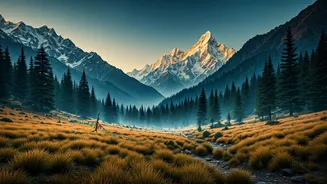
So, what does a workday look like at 6,800 feet? It’s a blend of focused work and mindful breaks. Mornings might start with a trek on a forest trail instead of a crowded local train. A typical 'office' is one of the many cafes that have sprung up, offering not just cappuccinos and cheesecake but also robust Wi-Fi and power outlets, becoming de-facto co-working spaces. Lunch breaks can involve a walk to the Bhagsu Nag temple or a quiet moment at the Dalai Lama Temple complex. The community is a mix of freelancers, startup employees, and even those working for large MNCs who have negotiated for permanent remote status. After logging off, evenings are for exploring local Tibetan markets, joining a yoga class, or simply watching the sunset paint the sky over the Kangra Valley, a stark contrast to scrolling through OTT platforms in a cramped city apartment.
Not All Sunshine and Prayer Flags
This idyllic picture, however, isn't without its challenges. The biggest hurdle is often the one thing their job depends on: connectivity. While dramatically improved, mountain Wi-Fi can be fickle, and a sudden downpour or snowfall can mean unexpected 'offline' hours. Power cuts are another reality that city dwellers are unaccustomed to. Beyond the technical glitches, there's the social aspect. The initial solitude can be refreshing, but it can also lead to loneliness, far from the familiar comfort of friends and family. This lifestyle requires a certain personality type—independent, adaptable, and comfortable with their own company. It's a significant adjustment, and while many thrive, some find the dream of mountain living doesn't quite match the day-to-day reality.
The Local Equation
The influx of these relatively high-earning professionals has had a noticeable impact on the local economy of McLeod Ganj and neighbouring towns like Dharamkot. Landlords are seeing a demand for long-term rentals with modern amenities, leading to a rise in rents that can sometimes price out locals. Cafes and restaurants are tailoring their menus and spaces to cater to this new clientele. On the one hand, it's a welcome economic boost, especially after the tourism lull during the pandemic. On the other, it's subtly changing the character of the town. The challenge for McLeod Ganj is to integrate this new community of 'work-from-Himalayas' residents without losing the unique spiritual and cultural identity that drew people there in the first place.