






The Whites: A Symbol of Class and Practicality
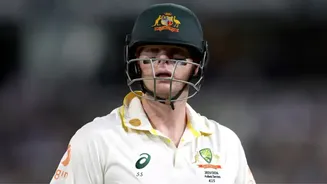
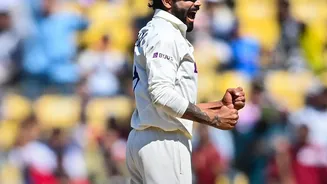
The tradition of cricketers wearing all-white clothing, known as 'cricket whites', dates back to the 18th and 19th centuries. Initially, the choice was partly a matter of social status; white attire was expensive and difficult to keep clean, thus distinguishing
the gentlemen who played the sport. However, there was a strong practical reason as well. Cricket matches are long affairs, often played for hours under the hot summer sun. White fabric is excellent at reflecting heat, keeping players cooler than dark colours would. This practical benefit ensured the tradition stuck, especially in the longest format of the game, Test cricket. While coloured kits were introduced in the 1970s for limited-overs games played under floodlights, the pristine whites remain a powerful symbol of the sport's heritage and the discipline of Test matches.
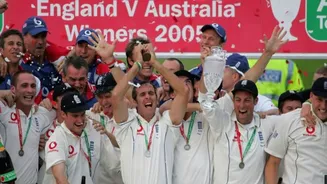
The Ashes: Born from a Mock Obituary
One of cricket's most fiercely contested rivalries, The Ashes between England and Australia, began with a joke. In 1882, Australia defeated England on English soil for the very first time at The Oval in London. The loss was so shocking to the English public that a young journalist named Reginald Shirley Brooks published a satirical obituary in the 'Sporting Times'. It lamented the death of English cricket and stated, "The body will be cremated and the ashes taken to Australia." When England's team toured Australia later that year, their captain was humorously tasked with reclaiming "the ashes." After an English victory, a small terracotta urn, believed to contain the ashes of a burnt cricket bail, was presented to the captain. That tiny urn became the symbol of a rivalry that endures to this day.
The Tea Interval: A Social Ritual Becomes Law
The quintessential cricket tea break is more than just a pause for refreshment; it's a tradition baked into the fabric of the game. Its origins lie in the social customs of 19th-century England, where afternoon tea was a popular daily ritual. As cricket matches became more organised, these informal social breaks were officially incorporated into the laws of the game. The first lunch break was added to give players sustenance during gruelling multi-day matches, and the 20-minute tea break followed as a natural pause in the afternoon session. While it started as a distinctly English tradition, the practice was adopted globally. Today, the break serves both a practical and tactical purpose, allowing players to rest and regroup while giving captains a moment to reassess strategy.
The Hat-Trick: A Bowler's Reward
The term "hat-trick" is now used across many sports, but it originated in cricket in the mid-19th century. The feat involves a bowler taking three wickets with three consecutive deliveries. The name comes from the tradition that followed such a rare achievement. In 1858, bowler H.H. Stephenson accomplished the feat, and a collection was held for him among the fans. With the money raised, he was presented with a new hat to commemorate his spectacular performance. The practice of a club or fans rewarding a bowler with a hat for taking three successive wickets caught on, and the term "hat-trick" was born. It has since been adopted by sports like football and hockey to describe three goals scored by a single player in a game.
Howzat!: The Essential Appeal
The loud, passionate cry of "Howzat!" from the fielding side is one of cricket's most recognisable sounds. It is a contracted, informal version of the question, "How is that?". According to the Laws of Cricket, an umpire cannot rule a batsman out (for most dismissals) unless the fielding team makes an appeal. This rule formalises the process, requiring the fielding side to ask the umpire for a decision. Over time, the formal question became a shortened, universally understood shout. While players can appeal in different ways, the enthusiastic roar of "Howzat?" has become an iconic and essential part of the game's theatre, signifying the moment a fielding team believes they have claimed a wicket.