






The Case for Hatha Yoga: A Foundation of Flexibility and Calm
Hatha yoga is often seen as a gentle practice, and for longevity, that’s one of its greatest strengths. The primary benefits revolve around improving flexibility, balance, and reducing stress—all crucial factors for healthy aging. As we get older, our
muscles and connective tissues naturally become stiffer, which can limit mobility and increase the risk of injury. Regular yoga practice helps counteract this by promoting joint health and maintaining a wider range of motion. This flexibility isn’t just about touching your toes; it translates to being able to bend, reach, and move through daily life with ease and without pain. Furthermore, poses that challenge your balance, like the Tree Pose, are essential for fall prevention, a major concern for older adults. Beyond the physical, Hatha yoga’s emphasis on controlled breathing and mindfulness is a powerful tool for stress management. It helps calm the nervous system and lower levels of cortisol, the body’s primary stress hormone. Chronic stress contributes to inflammation and a host of age-related diseases, so managing it is a key pillar of longevity.
The Power of Lifting: Building a Resilient Body
If yoga provides the calm, powerlifting builds the fortress. Strength training is one of the most effective ways to combat age-related physical decline. Its primary benefit for longevity is the building and maintenance of muscle mass, which is critical for fighting sarcopenia—the natural loss of muscle as we age. Muscles are metabolic powerhouses; having more of them improves your body's ability to regulate blood sugar, reducing the risk of type 2 diabetes and other metabolic disorders. Heavy lifting also puts mechanical stress on your bones, signaling them to become stronger and denser. This is a powerful defense against osteoporosis, a condition that makes bones brittle and prone to fractures. Hip fractures, in particular, are associated with significant morbidity and mortality in older adults, making bone health a non-negotiable part of any longevity plan. Research consistently shows that having more muscle strength is linked to a lower risk of all-cause mortality, underscoring its importance for a long and independent life.
Where They Fall Short
Neither practice is a perfect, all-in-one solution for longevity. While Hatha yoga is excellent for flexibility and stress reduction, it generally does not provide enough resistance to build significant muscle mass or bone density. Relying on yoga alone might leave you vulnerable to the effects of sarcopenia and osteoporosis. On the other hand, powerlifting, if pursued without attention to mobility and form, can lead to stiffness, muscle imbalances, and an increased risk of injury. The intense focus on lifting maximal weight can sometimes come at the expense of joint health and a functional range of motion if not balanced with recovery and flexibility work.
The Synergy Solution: Why You Don't Have to Choose
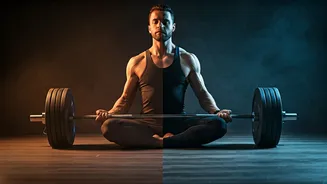
The debate over Hatha yoga versus powerlifting presents a false choice. The most effective approach to longevity fitness involves integrating the strengths of both. They are not competitors, but perfect complements. Yoga can dramatically improve a powerlifter's practice. The increased flexibility and body awareness gained from yoga can improve lifting mechanics, enhance recovery by reducing muscle soreness, and help prevent injuries. The focus on breath control in yoga can also be applied to lifting, improving stability and focus during heavy lifts. Conversely, building the absolute strength that powerlifting provides gives your yoga practice a more stable foundation and addresses the muscle and bone density needs that yoga alone cannot meet. A study published in the British Journal of Sports Medicine found that while both strength training and aerobic exercise reduced mortality risk, the greatest longevity benefits were seen in individuals who did both. Combining the mindful flexibility of yoga with the bone-deep strength from lifting creates a truly holistic and resilient approach to aging.