





A Shift in the Space-Time Continuum
For over fifty years, the Indian Space Research Organisation (ISRO) was the sole custodian of India's celestial ambitions, earning global respect with cost-effective missions. This government-led model built a formidable legacy. However, a monumental
shift began in 2020 with policy reforms designed to open the sector to private enterprise. This led to the creation of the Indian National Space Promotion and Authorisation Centre (IN-SPACe), a single-window agency to facilitate and regulate private participation. The change is fundamental: moving from a supply-driven approach, where ISRO built what it could, to a demand-driven one where the market dictates needs, fostering a vibrant public-private ecosystem. This isn't just about outsourcing; it's about building a collaborative symphony where ISRO's deep expertise supports a chorus of agile innovators.
The New Architects of the Cosmos
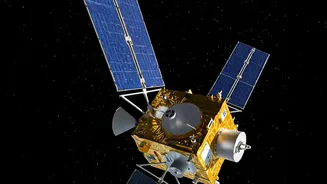
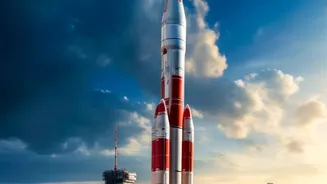
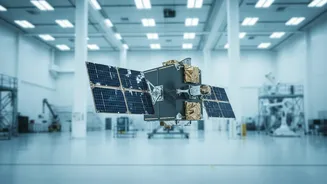
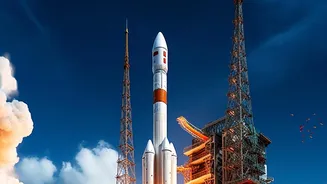
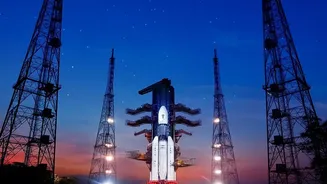
The impact of this new policy is no longer theoretical. A recent historic milestone was the July 2026 launch of Vikram-1 by Skyroot Aerospace, India's first privately developed orbital rocket. This achievement, coming just 46 years after ISRO's first satellite launch, perfectly illustrates the accelerated timeline of the private sector. Skyroot, now India's first space-tech unicorn, is just one of many rising stars. Agnikul Cosmos is pioneering 3D-printed rocket engines, drastically cutting production time. Pixxel is building a constellation of hyperspectral imaging satellites capable of monitoring everything from crop health to pollution in unprecedented detail. Meanwhile, companies like Dhruva Space and GalaxEye are creating satellite platforms and advanced sensors that can see through clouds and at night. These startups aren't just building components; they are creating end-to-end solutions, from launch vehicles to in-orbit data processing.
Faster, Cheaper, and More Specialized
The core advantage of this startup-led model is a dramatic increase in speed and efficiency. Startups, unburdened by large institutional processes, can innovate at a blistering pace. Skyroot’s Vikram-1 rocket, for example, makes extensive use of lightweight carbon-fibre composites, a design choice focused on maximising efficiency for the booming small satellite market. Agnikul's development of the world's first single-piece 3D-printed engine is another game-changer, potentially reducing the time to produce an entire engine to just one week. This agility allows private companies to target niche markets, such as dedicated launches for small satellites, a segment that often had to piggyback on larger, less frequent missions. This specialisation creates a more robust and responsive national space capability.
Fueling a Multi-Billion Dollar Economy
The growth is not just technological but also economic. India's space economy, valued at around $8.4 billion, is projected to surge to over $44 billion by 2033. This explosive growth is fueled by a surge in private investment, with hundreds of startups now registered, a dramatic increase from just a handful before 2020. The government is actively encouraging this with initiatives like a dedicated venture capital fund for the space sector and liberalised FDI policies. The impact extends beyond launch services. Downstream applications like satellite data analytics are transforming sectors like agriculture, disaster management, and urban planning, creating high-tech jobs and retaining domestic engineering talent that might have otherwise looked abroad.
The Path Forward: Collaboration, Not Competition
The new ecosystem is not about replacing ISRO, but rather liberating it. By offloading routine manufacturing and commercial launch operations to the private sector, ISRO can dedicate its formidable resources to pioneering research and development, deep space exploration like the Chandrayaan missions, and national security projects. The successful launch of Vikram-1 from an ISRO launchpad, with tracking support from its global network, is a perfect example of this synergy in action. Challenges remain, including ensuring sustained access to capital and continuing to streamline regulations, but the trajectory is clear. India is building a new kind of space program—one where government vision and private-sector velocity combine to create a formidable force on the global stage, changing not just how India reaches for the stars, but what it can achieve when it gets there.