







The Search for Authentic Experiences
For years, luxury was defined by brand names and price tags. But as global trends shift, a new generation is prioritising experiences over possessions. Diners are no longer impressed by just any five-star meal; they crave authenticity and a story. This
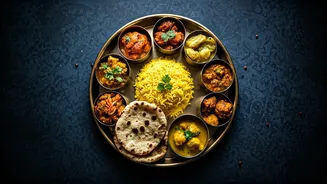
has fuelled a culinary renaissance where lesser-known regional recipes are taking centre stage. [18] Chefs and diners alike are exploring India's culinary margins, valuing dishes rooted in seasonality and community rituals over generic restaurant fare. [18] This turn towards authentic, story-driven dining means the context behind a dish—where it came from and who traditionally cooked it—matters as much as the taste itself. [18, 23]
From Niche to Mainstream: The Rise of Regional Stars
What was once confined to family kitchens is now celebrated globally. Indian chefs are leading a movement to redefine Indian food beyond butter chicken and naan. [3, 4] They are championing hyperlocal ingredients and forgotten recipes from across the southern states, the villages of Uttar Pradesh, and the mountains of the Himalayas. [3, 7] Restaurants like Semma in New York and Gaa in Bangkok have earned Michelin stars by presenting hyper-specific South Indian and traditional dishes, proving that authenticity has global appeal. [3, 8] This isn't just about fine dining; social media is making regional street foods like Varanasi's Tamatar ki Chaat and Uttarakhand's Aloo Ke Gutke famous overnight. [10, 6]
Culinary Tourism: The New Badge of Honour
This growing interest in regional food has given rise to a powerful new trend: culinary tourism. [28, 30] A significant number of Indian travellers now plan their trips around food, exploring local markets and seeking out specific dishes. [29, 31] This goes beyond just eating; it's about immersing oneself in a culture. A recent report noted that 77% of Indian travellers enjoy 'grocery store tourism,' seeing local supermarkets as a museum of daily life. [13] The market for culinary tourism in India is projected to grow significantly, reaching an estimated USD 15.9 billion in 2026. [16] This form of travel isn't just a holiday; it's a quest for knowledge and experience, where bringing back a rare spice or a story about a local dish is more valuable than a typical souvenir.
Why Knowing Your Food Is the New 'Flex'
In an age of information, knowledge is power—and status. Knowing the difference between a Pandi Curry from Coorg and a Laal Maas from Rajasthan, or understanding the significance of fermented foods in Bengali cuisine, is a display of cultural fluency. [3] It signals a deeper engagement with the world that money alone can't buy. Social media has become the primary arena for this new flex. An Instagram post featuring a rare dish from a remote village carries more cultural weight than a picture of a generic luxury item. [6, 14] It shows you’ve not only travelled but have also done your research and connected with a place on a more meaningful level. This shift reflects a desire for what's real and rooted in a world of mass-produced luxury. [15]