





The Audacious Goal: A Double Catch
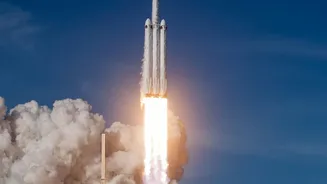
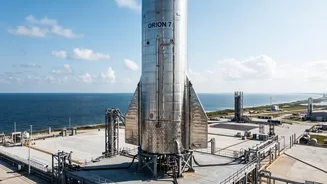
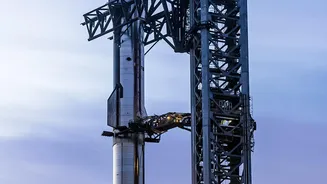
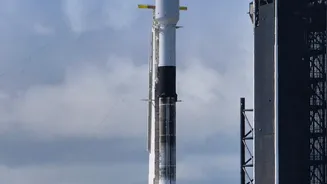
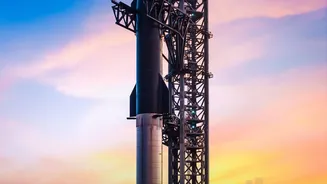
On Friday, November 13, 2026, SpaceX launched its 15th Starship test flight from Starbase, Texas. The primary goal was groundbreaking: to launch the world's largest rocket and then recover both of its stages by catching them with a giant launch tower
nicknamed 'Mechazilla'. The plan involved catching the massive Super Heavy first-stage booster just minutes after launch. Then, after orbiting the Earth 14 times over 22.5 hours, the Starship upper stage, or 'Ship', would return for its own catch. This 'double catch' has been called the 'Holy Grail of spaceflight' because it's the key to making the entire system fully and rapidly reusable. If successful, it would prove a concept that could drastically lower the cost of accessing space.
A Historic Success for the Starship
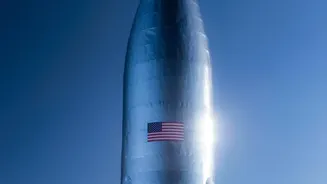
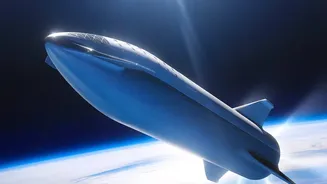
The second half of the mission was a stunning success. On Saturday, November 14, after a 22.5-hour journey that included deploying 26 Starlink satellites, the Starship upper stage (Ship 42) began its fiery descent. It performed a 'bellyflop' maneuver to slow down before righting itself and firing its engines for a final, pinpoint landing. In a moment that looked like science fiction, the launch tower's massive mechanical 'chopstick' arms closed around the 171-foot-tall vehicle, catching it securely. This marked the first time in history that an orbital-class upper stage had been caught and recovered this way, a monumental achievement for SpaceX and the entire aerospace industry.
What Went Wrong with the Booster?
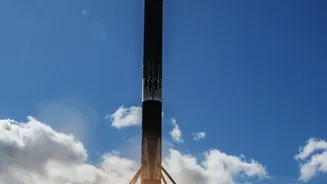
While the Starship's return was a triumph, the first part of the mission did not go to plan. Just minutes after a successful liftoff, the Super Heavy booster (Booster 22) separated and began its return to the launch pad. However, its onboard guidance system detected an anomaly and triggered an automatic abort of the catch attempt. According to early reports, the issue may have been a 'low fuel mass alarm' that caused the boostback burn to end early. Instead of being caught by the tower, the booster was safely diverted and performed a landing in the Gulf of Mexico, where it was intentionally destroyed. While SpaceX has caught boosters before, this failure prevented the company from achieving its twin-catch goal.
Why Is Catching Rockets So Important?
The entire concept of Mechazilla and catching rockets is driven by economics and efficiency. Adding heavy landing legs to a vehicle of this size adds tons of dead weight that serves no purpose during ascent. By eliminating legs and catching the rocket with the launch tower, SpaceX can maximize the payload it can carry to orbit. More importantly, this method is designed for rapid reusability. The tower that catches the rocket is the same one that can place it back on the launch mount for its next flight, potentially reducing turnaround time from months or weeks to mere days. This rapid cadence is essential to SpaceX's business model, underpinning everything from its Starlink satellite constellation to its long-term ambitions of building bases on the Moon and Mars.
A Setback, Not a Failure
For SpaceX, which operates on a philosophy of rapid, iterative testing, this mixed result is far from a total failure. The mission successfully deployed its satellite payload and, most critically, proved that the hardest part of the recovery—catching the upper stage after it endures the heat of orbital reentry—is possible. The booster issue, while a setback, provides invaluable data for engineers to analyze and fix. The loss of the booster means the loss of 33 reusable Raptor engines, but the knowledge gained is seen as a crucial investment. The historic catch of the Starship itself is being hailed as the more significant achievement, validating the core of the reusability architecture. Industry analysts agree that while consistent recovery of both stages is the ultimate goal, this flight represents a massive leap forward.