








As India's metros expand, their water bodies often shrink, becoming casualties of pollution and encroachment. Yet, across the country, a powerful counter-trend is emerging, led not by government decree, but by the people themselves.
From Urban Decay to Ecological Hope
In the frantic pace
of development across India's fastest-growing cities, lakes and water bodies have often been the silent victims. Once vital ecological and social hubs, many have been reduced to little more than dumping grounds for sewage and solid waste, their boundaries slowly erased by construction. This degradation contributes to a host of urban problems, including water scarcity, increased flooding, and the loss of biodiversity. However, a growing movement is proving that this decline is not irreversible. From Bengaluru to Hyderabad, local communities are taking matters into their own hands, forging partnerships with local government bodies and NGOs to bring these dead lakes back to life.
The Bengaluru Blueprint: A Tale of Citizen Action
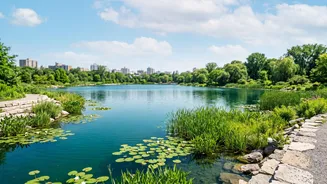
Bengaluru, once celebrated as the 'City of Lakes', has become a prominent example of this citizen-led revival. The restoration of Kaikondrahalli Lake is a widely cited success story. Once polluted and nearly dry, a group of local residents formed a trust, MAPSAS, to work with the city's municipal body, the BBMP. Their collaborative effort involved clearing encroachments, diverting sewage, desilting the lakebed, and creating recreational spaces. The model has since been replicated, with community efforts helping restore over 40 lakes in the city, including Puttenahalli and Jakkur lakes. These projects demonstrate that when citizens are given a stake in the outcome, the results can be transformative and, crucially, sustainable.
More Than Just Water: The Ripple Effect on Awareness
The true impact of these projects extends far beyond improved water quality. They are powerful catalysts for environmental awareness. When residents see a filthy, neglected space transform into a vibrant ecosystem, their perspective shifts. The return of migratory birds, fish, and insects provides a tangible, daily reminder of what was lost and what can be regained. These restored lakes become open-air classrooms and community hubs. They host tree planting drives, educational walks, and annual festivals that attract thousands, fostering a deep sense of collective ownership. According to a study on the Puttenahalli Lake revival, the attitude of residents changed as the lake improved; they became more environmentally aware and sensitive. This hands-on engagement is a far more effective teacher than any textbook.
Creating a Sustainable Model for Change
What makes these community-led efforts so powerful is the sense of ownership they foster. Unlike top down government projects that can falter after completion due to lack of maintenance, community involvement ensures long term stewardship. Groups establish 'Lake Guardian Groups' composed of local residents and eco clubs to monitor the health of the water body. The process also inspires a broader change in behaviour, encouraging better waste management and a deeper respect for shared natural resources. Furthermore, the tangible benefits—such as recharged groundwater levels, reduced local temperatures, and new green spaces for recreation—reinforce the value of the effort for the entire neighbourhood. This success inspires other communities to take action, creating a virtuous cycle of civic and environmental engagement.