






Beyond Restaurants: What Is Food Tourism?
When we think of food tourism, it's easy to picture fine dining or street food tours in bustling cities like Delhi or Mumbai. But a deeper, more impactful form of this trend is taking root in India's countryside. Known as agri-tourism, it’s about connecting
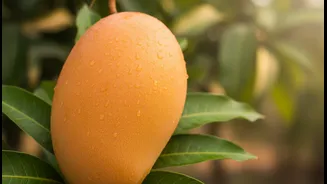
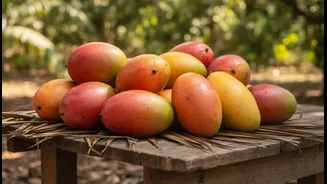
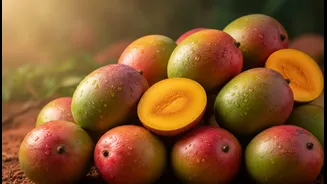
travellers directly with the source of their food. This isn't just about eating; it's about experiencing. Imagine participating in a mango harvest on a farm in Maharashtra, learning to cook traditional Kodava dishes in Coorg, or touring spice plantations in Kerala. This immersive travel bridges the persistent gap between urban and rural India, allowing visitors to understand agricultural practices and rural life firsthand. As travellers increasingly seek authentic, sustainable, and educational experiences, agri-tourism offers a meaningful escape from hectic city life.
The Farmer’s Challenge: A Perishable Lifeline
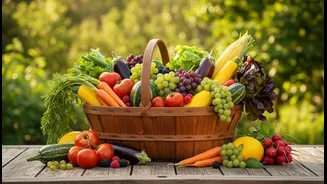
For many Indian farmers, agriculture is a precarious business. Dependence on seasonal rainfall, volatile market prices, and the dominance of a few year-round crops can make livelihoods uncertain. A farmer growing a unique, seasonal variety of fruit or vegetable might struggle to find a consistent, profitable market. Often, they compete with produce that is available all year, making it difficult for their seasonal specialities to stand out. This economic pressure can discourage the cultivation of diverse, indigenous crops, which are not only part of our culinary heritage but also crucial for biodiversity. Without a reliable and appreciative market, these unique flavours and the traditions around them are at risk of disappearing.
A Plate and a Passport: Tourism as a Solution
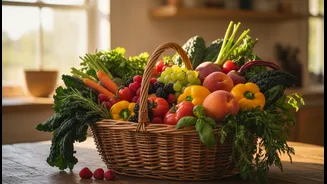
This is where food tourism becomes a game-changer. It creates a dedicated, high-value market for exactly what makes seasonal produce special: its unique story, flavour, and regional identity. When tourists travel to a region specifically to taste its seasonal offerings, they provide farmers with a direct and often more lucrative source of income. This model diversifies farmers' earnings, reducing their dependence on traditional, often unpredictable, wholesale markets. Farm stays, food festivals, and farm-to-table dining experiences build a direct connection between producer and consumer. This not only generates revenue but also fosters a sense of pride and recognition for farmers' work, transforming their produce from a simple commodity into a celebrated cultural experience.
A Taste of India's Seasons
Across India, this synergy is already creating success stories. In Himachal Pradesh, agri-tourism is being promoted to showcase apple orchards and other local produce, strengthening the state's economy. Food festivals, like the Meghalaya Pineapple Festival in Delhi, directly connect farmers with urban consumers, boosting incomes and promoting regional produce. From the Pushkar Camel Fair to the Nilgiris Earth Festival, events celebrating indigenous food are on the rise, reviving interest in local culinary traditions. In states like Maharashtra, Kerala, and Punjab, agri-tourism is showcasing everything from paddy farming and fruit picking to the agrarian lifestyle that defines the "Granary of India." These initiatives demonstrate a growing consumer trend: people are more conscious of where their food comes from and are willing to travel for unique, sustainable, and healthy food experiences.
More Than a Meal: The Broader Impact
The benefits extend far beyond the farm gate. By creating a market for diverse and indigenous crops, food tourism helps preserve agricultural biodiversity and traditional farming knowledge. It creates new employment opportunities in rural areas—in hospitality, as tour guides, and in local handicrafts—helping to slow urban migration. This form of tourism also fosters a deeper appreciation for the environment and sustainable practices. For travellers, it’s an education, bridging the rural-urban divide and promoting a healthier, more conscious way of eating. By highlighting regional cuisines and traditions, this movement is a powerful tool for cultural preservation.