


Understanding the Tea Spectrum
All 'true' teas originate from the same plant, Camellia sinensis. The vast differences in flavour, from light and floral to dark and malty, come from how the leaves are processed, specifically the level of oxidation they undergo. Understanding this spectrum
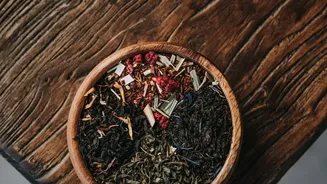
is the first step in curating a balanced tasting menu. White tea is the least processed and most delicate. Green tea is unoxidized, preserving its fresh, vegetal character. Oolong teas are partially oxidized, offering a wide range of flavours from floral to toasty. Black teas are fully oxidized, resulting in deep, robust, and often malty notes. Finally, herbal infusions, or 'tisanes', are not from the tea plant at all and are naturally caffeine-free, making them a great option for any guest.
Start Light and Delicate
To avoid overwhelming palates, a tasting should progress from the lightest teas to the boldest. Begin with a white tea. Known for its subtle, sweet, and sometimes floral notes, it’s a gentle introduction. A Darjeeling white tea, for instance, offers a delicate aroma and a smooth, sweet flavour. Next, move to green tea. These can range from grassy and vegetal to nutty. Consider a classic Japanese Sencha, known for its fresh, clean character, or an Indian green tea from Darjeeling or Assam, which are gaining popularity for their antioxidant properties. These lighter teas cleanse the palate and prepare it for the more complex flavours to come.
Introduce Complexity with Oolong
Oolong is arguably the most diverse tea category, making it a fascinating centrepiece for your tasting. Its flavour profile can sit anywhere between green and black tea depending on its oxidation level. A lightly oxidized oolong, such as one from Taiwan, might present floral, creamy notes that are soft and inviting. A darker, more roasted oolong can offer notes of stone fruit, honey, or even a mineral complexity. Including an oolong provides a bridge from the lighter teas to the heavier ones and showcases the incredible artistry involved in tea processing.
Embrace the Boldness of Black Tea
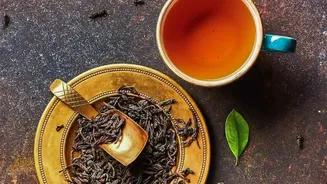
For many in India, black tea is the heart of tea culture. This is the perfect time to showcase celebrated domestic varieties. Offer an Assam tea, known for its full-bodied, malty character that stands up well to a splash of milk. Contrast this with a Darjeeling black tea, often called the 'champagne of teas', which is lighter and prized for its distinctive floral and muscatel grape notes. Exploring the difference between a brisk Assam and a fragrant Darjeeling highlights the concept of 'terroir'—how a tea's environment shapes its final taste.
Offer a Caffeine-Free Finale
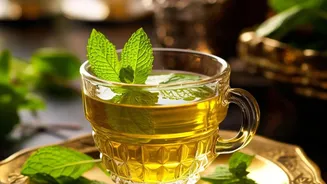
Always include a caffeine-free option for those who are sensitive to it or simply prefer something soothing later in the day. Herbal infusions, or tisanes, are perfect for this. You have endless choices, from floral and calming chamomile to bright and refreshing peppermint. A spicy-sweet ginger tea or a tart hibiscus blend can also provide a memorable, flavourful end to the tasting. Another excellent option is Rooibos, a South African herb with a naturally sweet, earthy flavour that is rich in antioxidants.
Tips for a Seamless Experience
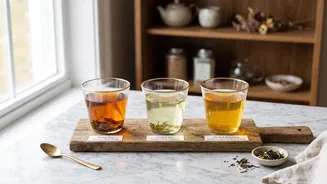
To ensure the focus remains on the tea, serve neutral-flavoured snacks like plain crackers, unsalted nuts, or simple biscuits that won't interfere with the palate. Use white or light-coloured cups so guests can appreciate the colour of each brew. Pay attention to the correct water temperature and steeping time for each tea type, as this dramatically affects the flavour; green teas require cooler water than black teas, for example. Aim for three to five different teas for a focused yet varied tasting that won't overwhelm your guests. Most importantly, encourage conversation and sharing impressions, reminding everyone that flavour is personal.