



A Spiritual Spectacle in the Mountains
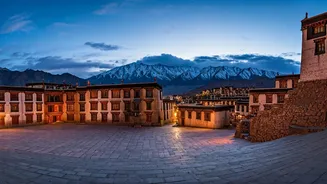
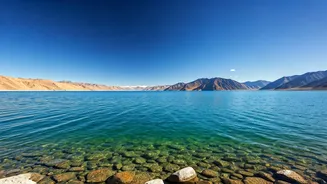
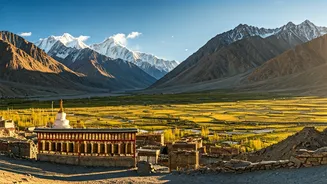
Every year, the starkly beautiful landscape of Ladakh bursts into life for the Hemis Festival. Held at the Hemis Gompa, the region's largest and wealthiest monastery, this two-day event celebrates the birth anniversary of Guru Padmasambhava, the founder
of Tibetan Buddhism. For locals, it's a deeply spiritual and social occasion. For travellers, it's an unparalleled opportunity to witness ancient traditions come alive against a backdrop of breathtaking mountain scenery. The courtyard of the 17th-century monastery transforms into a stage, where spirituality, mythology, and artistry converge in a powerful display of faith.
The Soul of the Festival: Cham Dances
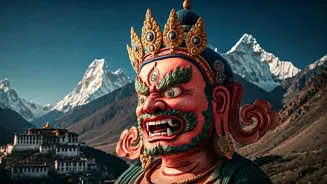
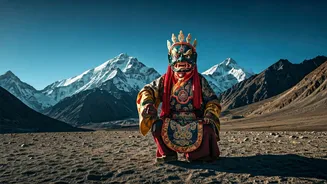
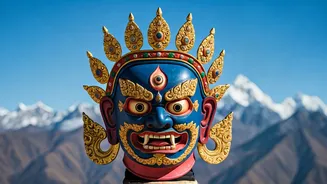
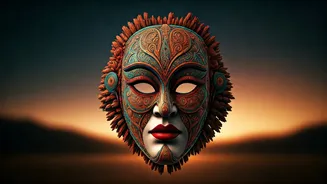
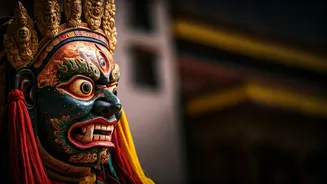
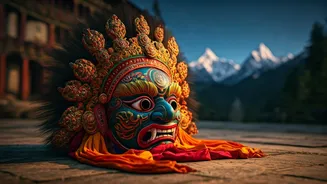
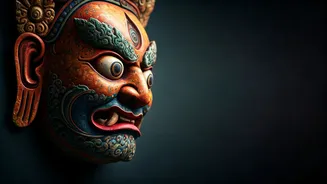
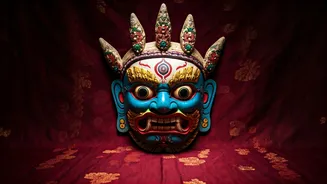
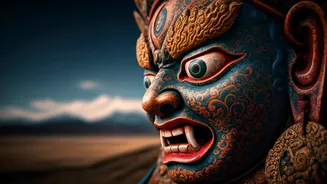
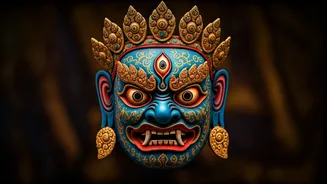
The highlight of the Hemis Festival is undoubtedly the Cham dance. These are not mere performances; they are sacred, masked dances performed by lamas (monks) in elaborate, colourful brocade costumes and intricately designed masks. Each dance is a form of meditation, a ritual that tells a story—most often, the triumph of good over evil. The masks represent various deities, demons, and spirits from Buddhist mythology. As the monks move in slow, deliberate, and sometimes frenzied steps to the sounds of cymbals, long horns (dungchen), and drums, they are believed to embody these divine beings. Watching the Cham is a hypnotic experience, a moving visual sermon that transcends language and connects spectators to the core tenets of Himalayan Buddhism.
Rituals, Colours, and Community
While the Cham dances are the centrepiece, the festival is a rich tapestry of other sights and sounds. The event begins with an early morning ritual where a portrait of Guru Padmasambhava is placed in the courtyard for all to seek blessings. Every twelve years, the festival becomes even more significant with the unveiling of a giant thangka (a silk appliqué scroll) depicting the Guru, which covers several storeys of the monastery wall. But even in a regular year, the atmosphere is electric. The monastery is filled with Ladakhis dressed in their finest traditional attire, and the air is fragrant with the smell of burning juniper incense. A lively fair springs up around the gompa, where you can find unique handicrafts, local food, and the famous butter tea.
Planning a Last-Minute Trip
Inspired to go? While the headline says “this week,” remember that the festival follows the Tibetan lunar calendar, typically falling in June or July. If you're planning a spontaneous trip, your first step is getting to Leh, the capital of Ladakh, which is well-connected by air from major Indian cities. From Leh, Hemis Monastery is about 45 kilometres away, a scenic drive that takes around 90 minutes. You can hire a taxi for the day. Be prepared for crowds, so arrive early to get a good vantage point in the courtyard. Accommodation in Leh can be tight during the festival, so it’s wise to book ahead if possible, but last-minute guesthouse options can often be found.
A Quick Guide for Visitors
To make the most of your experience, keep a few things in mind. First, acclimatise! Leh is at a high altitude (over 11,000 feet), so spend at least a day or two resting to avoid altitude sickness. Drink plenty of water and avoid strenuous activity initially. Second, dress respectfully. This is a religious festival, so wear modest clothing that covers your shoulders and knees. A hat and sunscreen are essential, as the sun at this altitude is intense. Finally, be a mindful observer. Photography is usually allowed, but avoid using flash and be considerate of the monks and other devotees. Ask for permission before taking close-up portraits of people. Embrace the spirit of the place with respect and curiosity.