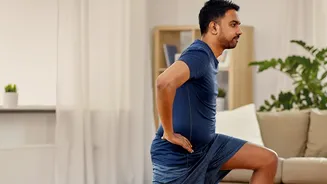




The New Focus: Quality Over Quantity
The long-held belief that 10,000 steps a day is the ultimate goal is being refined. While total steps certainly matter, recent discussions in fitness and health circles are putting a new emphasis on the quality of those steps, especially for adults navigating
the changes that come after 40. The consensus is building that a shorter, more purposeful walk can deliver superior benefits compared to a long, meandering stroll. Fitness experts now argue that factors like pace, posture, and muscle engagement can significantly amplify the health rewards of walking, transforming it from simple movement into a more potent form of exercise. This is less about walking less and more about making every minute of your walk count for more, particularly for preserving strength, balance, and cardiovascular health as you age.
Why Form and Pace Matter More After 40
As we enter our 40s and beyond, our bodies undergo significant changes. We naturally begin to lose muscle mass, a condition known as sarcopenia, and our balance can decline, increasing the risk of falls later in life. This is where walking form becomes critical. A slow, shuffling gait with slumped shoulders might not be enough to challenge your muscles or neurological systems. Conversely, walking with good posture—standing tall, looking forward, and engaging your core—actively counteracts these age-related declines. A brisk pace acts as a powerful indicator of overall health, often referred to by researchers as a "sixth vital sign" because it reflects the integrated function of your heart, lungs, circulatory system, and nervous system. Studies have shown that a faster walking pace is linked to better brain health, a lower risk for chronic diseases, and even a younger biological age.
How to Perfect Your Walking Form
Improving your walking mechanics doesn't require a personal trainer, just a little mindfulness. Start from the ground up by focusing on a proper heel-to-toe foot strike: land on your heel, roll through your foot, and push off from your big toe. This simple adjustment improves stability and prevents strain. Next, focus on your posture. Imagine a string pulling you up from the crown of your head, elongating your spine. Keep your shoulders down and back, away from your ears, and keep your gaze fixed about 10 to 20 feet ahead of you instead of down at your feet, which reduces strain on your neck and back. Finally, let your arms swing naturally from your shoulders with a slight bend at the elbow. An active arm swing not only helps with rhythm and balance but also adds to the intensity of your walk.
Turning Up the Intensity Safely
The key to unlocking greater benefits is walking at a "brisk" or moderate intensity. A good rule of thumb is the talk test: you should be able to hold a conversation, but not be able to sing. This level of effort elevates your heart rate enough to improve cardiovascular fitness. You don't need to maintain a blistering pace for an entire hour. Instead, consider interval walking: alternate between one minute of fast walking and two minutes of a more moderate recovery pace. This method is highly effective for increasing calorie burn and cardiovascular challenge without the high impact of jogging. Using hills or inclines is another excellent way to naturally increase intensity, as it forces your leg and glute muscles to work harder. Even adding just five extra minutes of brisk walking to your daily routine has been linked to a significant reduction in premature death.
Finding the Right Balance
This new advice isn't a directive to abandon your step-counting watch. Research still shows that getting more steps, up to around 7,500 to 8,000, provides substantial health benefits. Rather, it's about shifting your mindset. Instead of focusing solely on hitting a numerical target, the goal is to ensure the steps you take are effective. For adults over 40, walking shouldn't just be movement; it should be an intentional practice to maintain function and vitality. It's a neurological exercise that trains your brain to coordinate balance and movement, which is increasingly important with age. By paying attention to your posture, engaging your muscles, and pushing your pace comfortably, you make your walking routine a powerful tool for healthy aging. The ultimate goal is to blend quantity with quality, ensuring that every walk is a step toward a stronger, healthier future.