






How They’re Made: A Tale of Two Processes
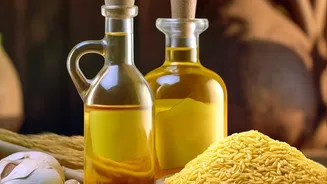
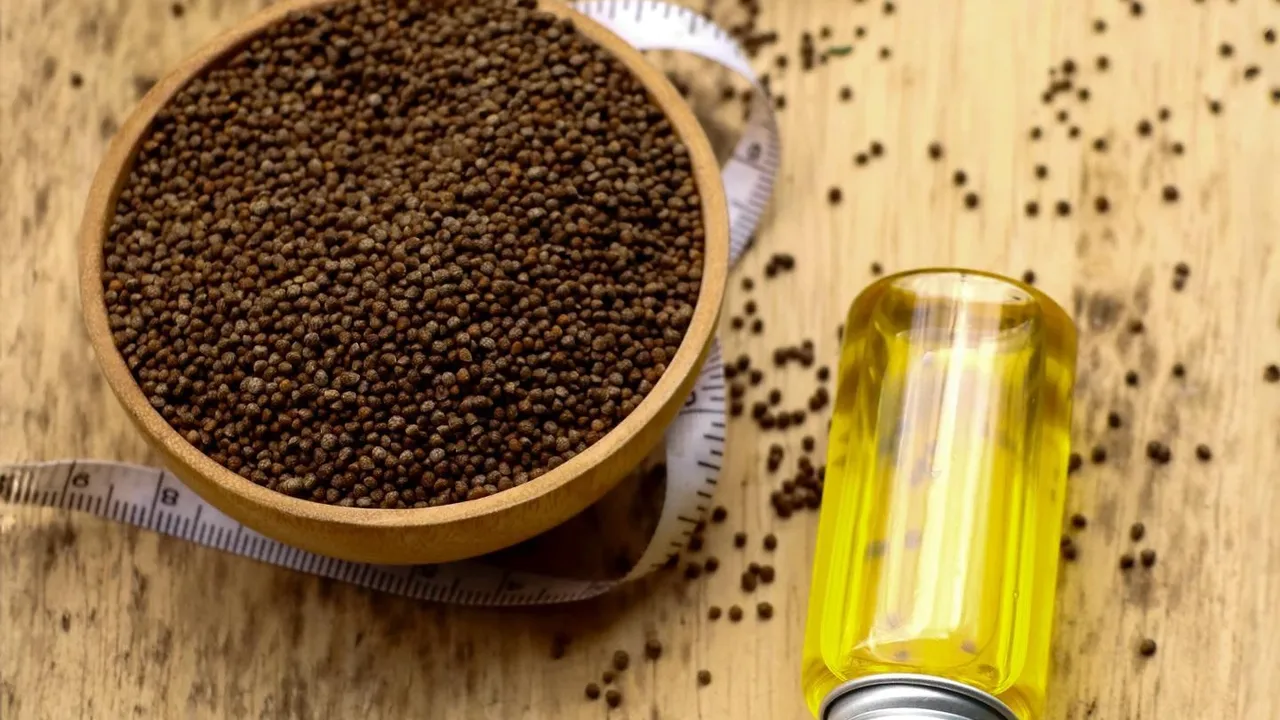
The fundamental difference between cold-pressed and refined oils lies in their extraction method. Cold-pressed oils are made the traditional way, by simply crushing seeds or nuts and pressing out the oil at low temperatures. This mechanical process, often
using a wooden press (ghani), is gentle, involving no extra heat or chemical solvents. As a result, the oil retains its natural colour, aroma, flavour, and most importantly, its original nutrient profile. Refined oils, on the other hand, are products of an intensive industrial process. To maximise yield, the oil is often extracted using high heat and chemical solvents like hexane. It then goes through several more stages, including bleaching to lighten the colour and deodorising at very high temperatures to remove the natural smell. This results in a neutral, uniform product with a long shelf life, but at a significant nutritional cost.
The Nutrient Showdown: What's Lost in Refining?
Because they are minimally processed, cold-pressed oils are nutritionally superior. They retain valuable micronutrients that are otherwise destroyed by heat and chemicals. This includes natural antioxidants like polyphenols and tocopherols (Vitamin E), which help fight inflammation and cellular damage in the body. They also preserve the natural fatty acid profile of the source seed or nut. During the refining process, a large portion of these beneficial compounds is stripped away. The high heat and chemical treatments degrade heat-sensitive vitamins and destroy the majority of the oil's natural antioxidants. While the basic fat and calorie content remains, refined oils offer far fewer of the protective, bioactive compounds that contribute to overall health. What's left is often described as a source of 'empty calories' compared to its unrefined counterpart.
The Smoke Point Myth vs. Reality
One of the main arguments for using refined oils in Indian cooking is their higher smoke point—the temperature at which an oil begins to burn and produce harmful compounds. Refining removes the natural impurities and free fatty acids that cause oil to smoke, making refined oils seem more stable for high-heat cooking like deep-frying. However, this concern is often overstated for everyday home cooking. Most daily Indian cooking, from making a tadka (120-160°C) to sautéing vegetables (140-180°C), happens at temperatures well below the smoke point of many common cold-pressed oils. For example, cold-pressed groundnut oil has a smoke point around 230°C, and mustard oil is around 250°C, making both suitable for most frying. The key is to control the heat and not let any oil burn.
A Place for Both in the Indian Kitchen
The healthiest approach isn't necessarily to banish one type of oil completely. Instead, it's about matching the right oil to the right cooking method. Cold-pressed oils, with their rich flavours and nutrient density, are ideal for drizzling over salads, finishing dishes like dal, making pickles, and for low-to-medium heat cooking. Traditional Indian oils like cold-pressed mustard, coconut, and groundnut are excellent for everyday preparations. For occasional, high-temperature deep-frying where a neutral flavour is desired, a refined oil might serve a functional purpose due to its higher smoke point and stability. The wisdom lies in using a variety of oils, prioritising cold-pressed versions for daily meals to maximise nutrient intake while understanding the specific uses where a refined oil might be practical.