
Beyond the Familiar Favourites
For decades, the Indian restaurant experience, both at home and abroad, was defined by a fairly standard selection of North Indian curries, tandoori breads, and kebabs. While delicious and beloved, this predictability created a limited perception of India's
vast culinary diversity. Today, a significant shift is underway. A new wave of chefs and restaurateurs is breaking free from the butter-chicken formula, embracing what is often called 'progressive' or 'modern' Indian cuisine. This movement isn't about abandoning tradition, but rather reinterpreting it with confidence and creativity. The result is a menu that feels both familiar and thrillingly new, telling a story that goes far beyond a generic curry house.
A Platter of Global Ideas
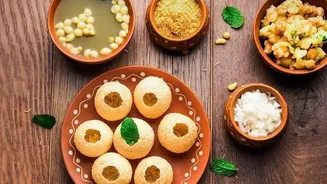
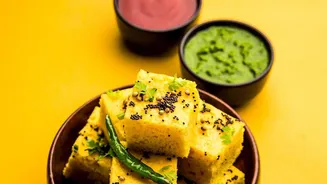
So, what does this cross-cultural trend look like on a plate? It’s about the thoughtful fusion of ingredients and techniques from around the world. Think of Tambda Rassa, the fiery Kolhapuri curry, reimagined as a Japanese ramen, or khandvi presented as Italian cannelloni. You might find tacos filled with smoked pork inspired by Northeastern flavours, or a classic French toast made with digestive biscuits for a nostalgic twist. This culinary exchange flows in many directions. Some chefs blend Japanese cooking philosophies of seasonality with ancient Indian food culture, resulting in dishes like mackerel with wasabi and dashi. Others use Mexican formats, leading to the creation of sushi tacos and innovative chaats that borrow from global street food concepts. It's a playful, inventive approach that respects the integrity of Indian spices while presenting them in new and unexpected forms.
An Appetite for Adventure
Several factors are fuelling this change. Indian diners are more travelled and globally exposed than ever before, bringing back an appetite for new flavours and experiences. Social media has also played a huge role, making diners more visually driven and eager to try the novel dishes they see online. There's a growing confidence among chefs who are no longer feel the need to 'translate' Indian food for a wider audience. They are delving deep into the country's micro-regional cuisines—from Goan dishes with Portuguese influence to the smoky flavours of Nagaland—and presenting them with modern flair. This isn't just happening in fine-dining establishments with elaborate tasting menus. The trend is visible across the board, from high-energy bars serving inventive small plates to casual cafes reimagining everyday snacks.
Redefining 'Authentic' Indian Food
This trend inevitably sparks a debate about authenticity. Is a dish like blue cheese naan or Konkani crab bao truly 'Indian'? The chefs at the forefront of this movement would argue that Indian cuisine has always been a product of fusion, shaped by centuries of influences from Mughal to Portuguese. This current evolution is simply the next chapter. The focus has shifted from performative modernity—like the liquid nitrogen chaat of a decade ago—to a more thoughtful and ingredient-focused approach. The new luxury isn't an imported truffle, but a specific heirloom grain from a small Indian farm or a spice blend that tells a cultural story. The goal is to create dishes that are balanced and delicious, where the fusion feels intentional rather than forced. It is a move away from fusion for novelty's sake and towards a genuine culinary dialogue between cultures.