



The New Green Gold
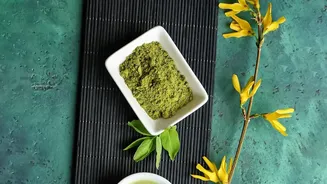
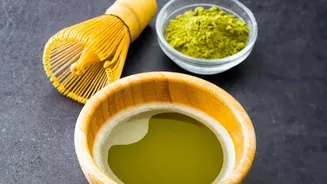
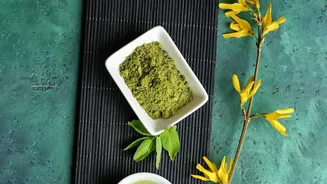
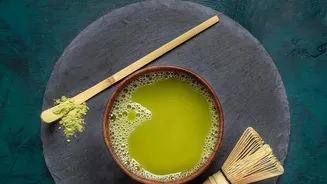
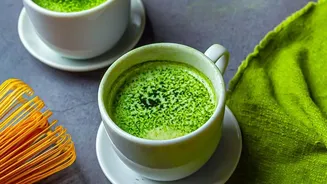
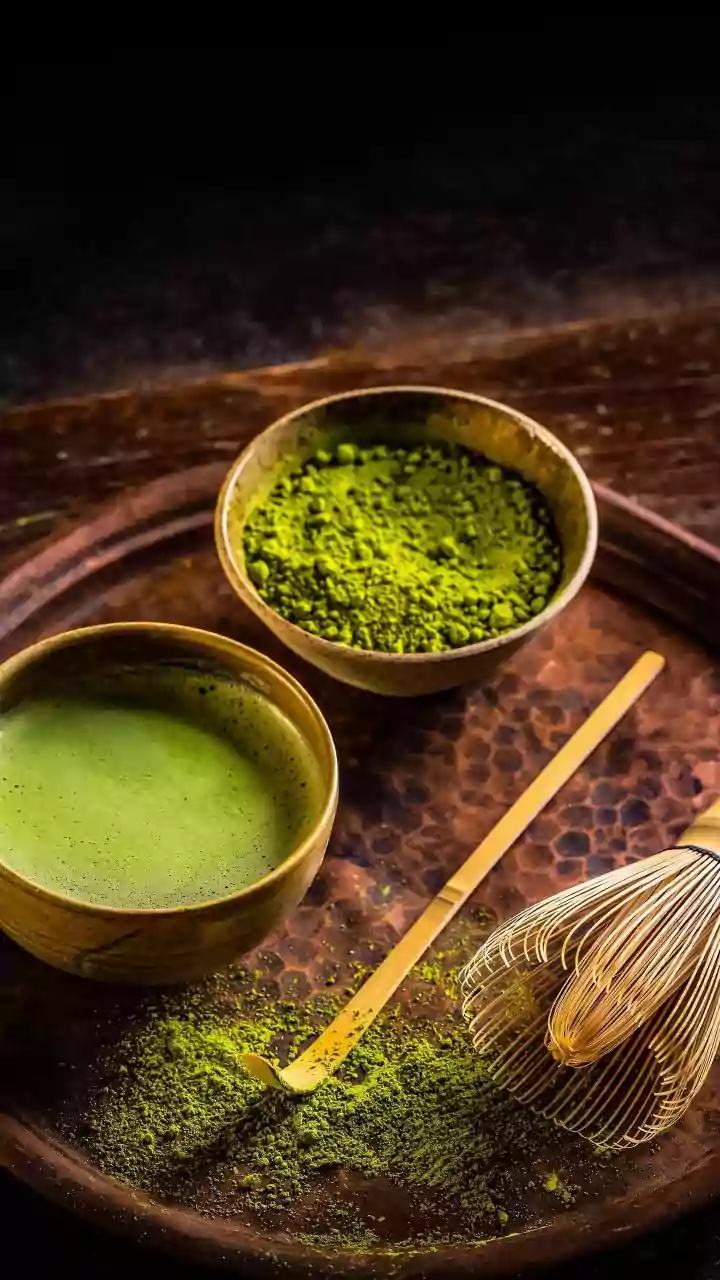
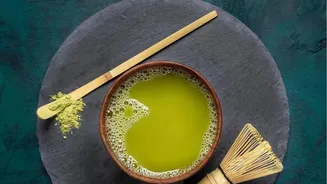
First, let's clarify what matcha is. Unlike regular green tea where you steep and discard the leaves, matcha is made from finely powdered, specially grown tea leaves. Because you consume the entire leaf, you get a more potent dose of its nutrients. The
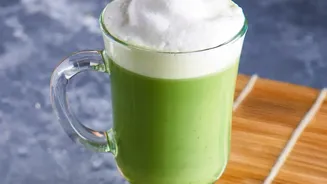
preparation itself, often involving a traditional whisk, adds a sense of ritual that sets it apart from a hastily brewed coffee. Originally a ceremonial Japanese drink, it has found a new home in India’s bustling urban centres. Cafes now serve it in familiar formats like iced lattes and creative blends with mango or coconut, making it more accessible to the Indian palate.
The 'Calm Alertness' Factor
For the modern office worker, managing energy is key. Coffee provides a quick, powerful jolt of caffeine, but it can often lead to jitters and a subsequent crash. This is where matcha offers a compelling alternative. It contains a unique amino acid called L-theanine, which works in synergy with its caffeine content. This combination is known to promote what experts call “calm alertness”—a state of focused energy without the anxiety or sharp decline. L-theanine can increase alpha brain waves, which are associated with a relaxed yet attentive mental state, making it ideal for long periods of concentration.
A Statement of Wellness
The rise of matcha is perfectly timed with a broader shift towards wellness and mindful living in urban India. Consumers are increasingly looking for functional beverages that do more than just quench thirst or provide a caffeine hit. Matcha is packed with antioxidants, particularly EGCG, which is reputed to boost metabolism and support overall health. In a culture where health is the new status symbol, ordering a matcha latte is a declaration. It signals an investment in one’s well-being, aligning with the growing interest in clean eating and preventive health.
An Instagram-Ready Aesthetic
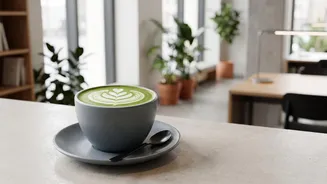
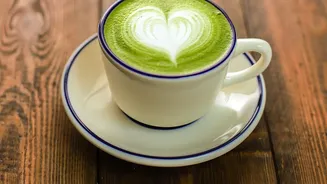
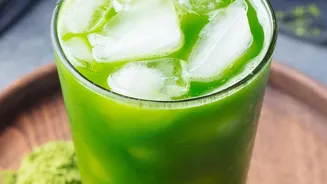
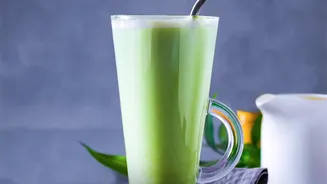
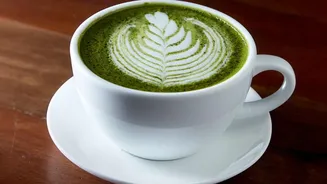
In the age of social media, we drink with our eyes first. Matcha’s vibrant, photogenic green hue makes it incredibly appealing for platforms like Instagram. A beautifully layered iced matcha latte is not just a drink; it's content. This visual appeal has been a huge driver of its popularity, especially among Millennials and Gen Z, who are eager to try and share the latest global trends. Cafes have capitalised on this, presenting matcha in aesthetically pleasing ways that encourage customers to snap a picture before they sip, amplifying the trend organically.
The Growing Market and Accessibility
What was once a niche, premium import is becoming increasingly mainstream. India’s matcha market is growing at a rapid pace, projected to expand significantly by 2030. This growth is fuelled by greater availability, both in cafes and for home preparation. As demand surges, even Indian tea estates in regions like Assam have begun producing their own versions of matcha, which could make it more affordable over time. While premium, ceremonial-grade Japanese matcha remains the benchmark, this growing market ensures that more people can access and experience the green tea phenomenon.