







Beyond the Plate: A New Rhythm for Digestion
We've all heard the advice to eat more greens, load up on fibre-rich foods, and incorporate probiotics like yogurt for a healthy gut. This focus on the ingredients of our diet has dominated conversations about digestive health for decades. While the nutritional
value of what you eat remains undeniably important, a growing body of research and wellness trends are highlighting a different, equally powerful factor: timing. The new question isn't just about the quality of your food, but the cadence of your meals. This emerging field, known as chrononutrition, explores how aligning our eating patterns with our body's internal clocks can unlock significant benefits for digestion and overall metabolic health.
Meet Chrononutrition and Your Body Clock
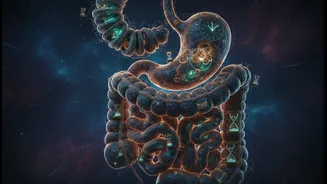
At its core, chrononutrition is the science of eating in sync with our circadian rhythms. Think of circadian rhythms as 24-hour internal clocks that regulate nearly all of our biological processes, from sleep-wake cycles to hormone release and, crucially, digestion. Your digestive system isn't designed to be 'on' 24/7. It has its own rhythm, being most active and efficient during daylight hours and slowing down at night to rest and repair. When we eat at odds with this natural cycle—like having a large, heavy meal late at night or snacking constantly throughout the day—we disrupt this finely tuned system. This misalignment can lead to common digestive complaints like bloating, acid reflux, and indigestion, as the gut struggles to process food when it's supposed to be winding down.
The Rise of Time-Restricted Eating
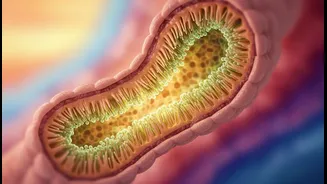
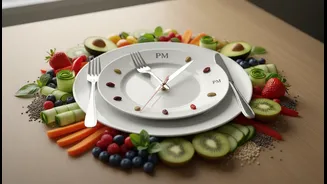
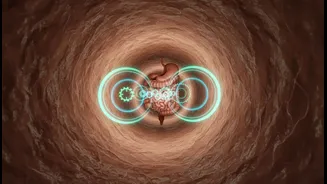
One of the most popular applications of chrononutrition is time-restricted eating (TRE), often discussed under the umbrella of intermittent fasting. Instead of focusing on what foods to eliminate, TRE involves consuming all your meals within a specific window, typically ranging from 8 to 10 hours, and fasting for the remaining 14 to 16 hours. This approach gives the digestive system a prolonged and consistent period of rest each day. During this fasting state, the gut isn't dormant. It initiates a critical 'housekeeping' process known as the migrating motor complex (MMC), a series of contractions that sweep undigested food particles and bacteria out of the small intestine. This cleansing wave helps prevent bacterial overgrowth and keeps the digestive tract running smoothly.
The Gut-Friendly Benefits of Good Timing
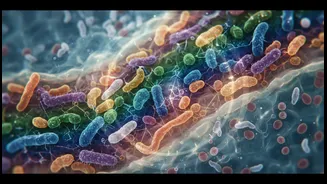
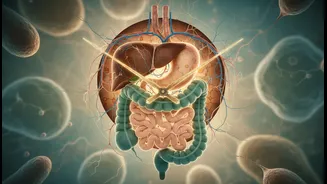
Giving your digestive system this predictable daily break can have profound effects. Research suggests that intermittent fasting and TRE can improve the health of your gut microbiome—the community of trillions of microorganisms living in your gut. Studies have shown that periods of fasting can increase microbial diversity, which is a key indicator of good gut health. A well-timed eating schedule may also strengthen the gut barrier, the lining of your intestines that prevents harmful substances from leaking into the bloodstream. By allowing time for rest and repair, you can reduce inflammation, a common trigger for many digestive issues. The benefits extend to better blood sugar regulation and improved metabolic efficiency, as your body becomes better at using the nutrients you provide it during your eating window.
How to Align Your Meals With Your Clock
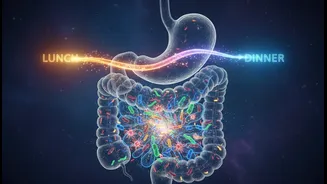
Adopting a more mindful eating schedule doesn't have to be extreme. You can start with small, sustainable changes. One of the most effective strategies is to avoid eating late at night. Aim to have your last meal at least two to three hours before you go to sleep, giving your body ample time to digest before it enters its rest phase. Try to establish a consistent daily eating window, even if it's a generous 12-hour one to start. For example, you might eat between 8 a.m. and 8 p.m. This regularity helps train your gut to anticipate food, which can optimise the release of digestive enzymes. Ayurvedic tradition has long recommended eating the largest meal at midday, when digestive fire is considered strongest, and a lighter meal in the evening—a principle that aligns well with modern chrononutrition.