


The Busy Brain's Dilemma
After a day of deadlines, meetings, and constant pings, your body is often stuck in high gear. This is the work of the sympathetic nervous system, our 'fight or flight' response. It's useful for productivity, but when it remains active into the evening,
it floods the body with stress hormones like cortisol, making it nearly impossible to unwind. The result is a familiar feeling: you are physically exhausted but mentally wired, staring at the ceiling as your mind replays the day. This prolonged state of alert makes the transition to sleep feel like a battle against your own biology.
Pranayama: The Nervous System's Reset Button
This is where pranayama, the ancient yogic practice of breath control, becomes a powerful tool. Breathing is unique because it's both an automatic function and one we can consciously control. By intentionally slowing and deepening your breath, you can manually shift your body out of the stressful sympathetic state and into the calming parasympathetic nervous system—our 'rest and digest' mode. This shift is largely mediated by the vagus nerve, a long nerve that connects the brain to the body's major organs. Slow, controlled breathing stimulates this nerve, sending a powerful signal to your entire body that it is safe to relax.
Three Calming Breaths for Your Evening
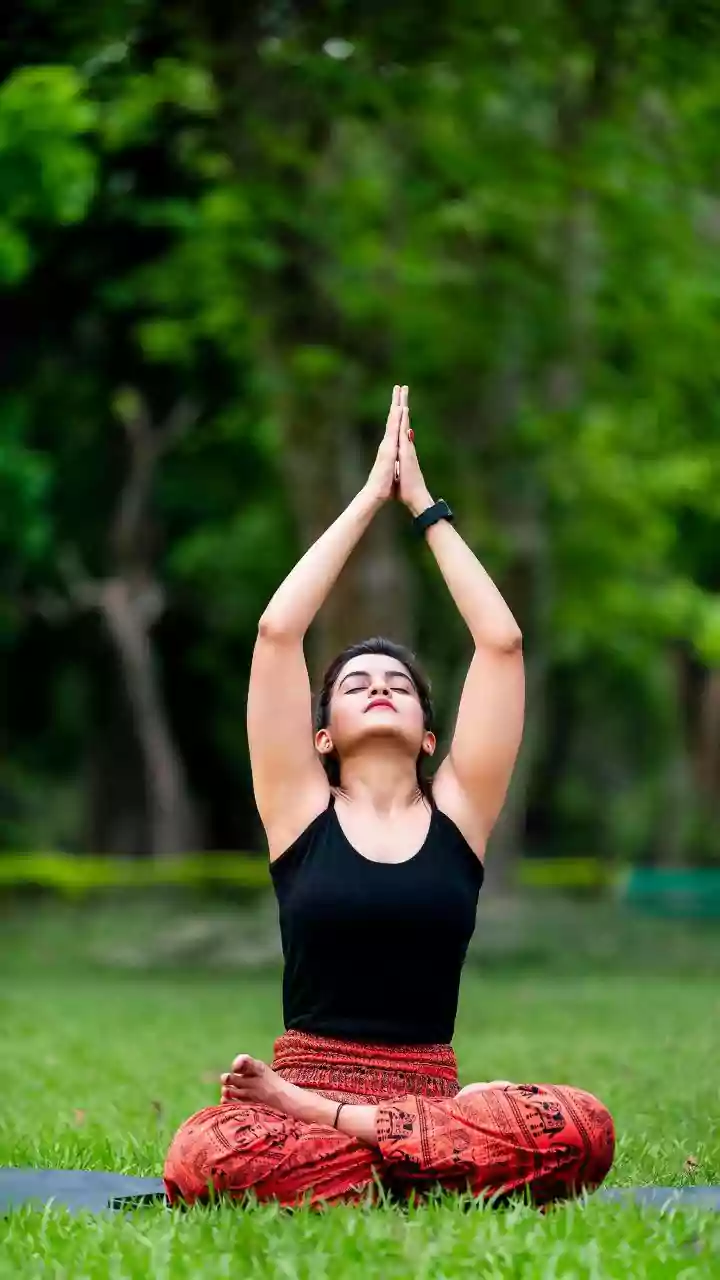
You don’t need complex sequences to feel the benefits. Integrating a few simple techniques for 5-10 minutes can make a significant difference. Try these before bed: 1. Chandra Bhedana (Left Nostril Breathing): In yogic tradition, the left nostril is linked to calming, cooling energy. Sit comfortably. Gently close your right nostril with your thumb and inhale slowly through your left nostril. Then, close your left nostril with your ring finger and exhale through the right. Continue inhaling through the left and exhaling through the right. This practice is believed to reduce body heat, lower blood pressure, and quiet the mind. 2. Bhramari (Humming Bee Breath): The vibrations from this practice are incredibly soothing for a busy mind. Sit upright, close your eyes, and gently plug your ears with your thumbs. Inhale deeply, and as you exhale, make a low, steady humming sound like a bee for the entire duration of the breath. The resonance helps release mental tension and can drown out the internal chatter that often keeps us awake. 3. Extended Exhale Breathing: This is perhaps the simplest and most direct way to activate your relaxation response. Inhale through your nose for a count of four, and then exhale slowly through your nose for a count of six or eight. The key is making the exhale noticeably longer than the inhale. This simple act slows the heart rate and signals profound safety to your brain, making it easier to drift off.
Creating a Consistent Ritual
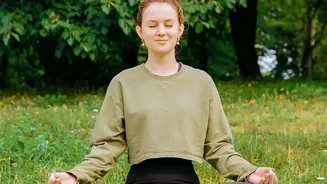
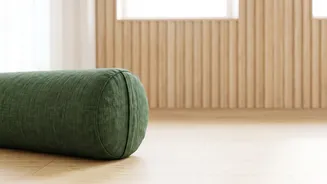
The power of an evening pranayama session lies in its consistency. Think of it not as another task on your to-do list, but as a deliberate act of closing the chapter on your workday. Find a quiet, comfortable spot where you won't be disturbed. You can sit on a cushion or even practice lying down in bed. Start with just five minutes. The goal is not perfection but presence. Over time, this small ritual trains your mind and body to recognise that the end of the day is a time for letting go. This conscious transition is the key to reclaiming your evenings and ensuring your nights are truly restorative.