


The Return of the Statement Sofa
Walk into a stylishly updated home in 2026, and you'll notice it immediately: the sofa is no longer a quiet, unassuming backdrop. It is the star of the show. After years dominated by safe greys, beiges, and an obsession with minimalist restraint, the pendulum
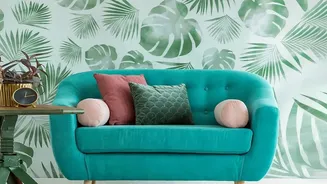
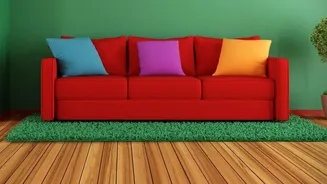
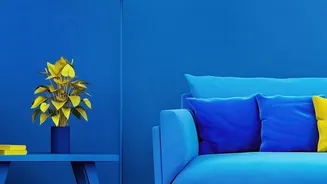
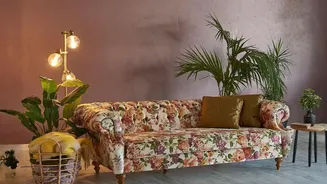
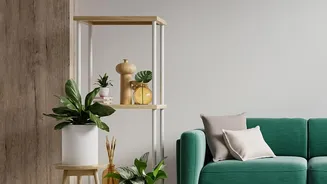
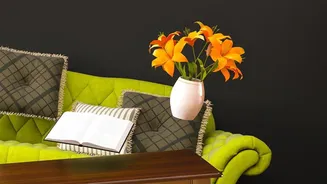
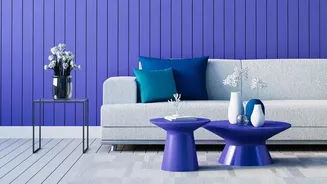
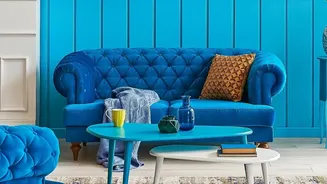
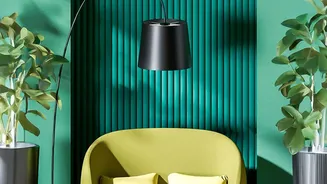
has swung back with force. This year is all about the bold, statement-making sofa. Designers and homeowners alike are embracing rich, saturated colours—think emerald green, sapphire blue, ruby red, and optimistic mustard yellow. These pieces are not meant to blend in; they are intended to be focal points, anchoring the entire aesthetic of a room and radiating personality. This revival isn't just about colour; it's a move toward furniture that feels more personal and expressive.
Why Colour Is Only the Beginning
But here is where the story gets more interesting. The initial thrill of a brightly coloured sofa can quickly fade if the piece itself lacks substance. A vibrant hue is a powerful tool, capable of influencing mood and perception of space. It can energize a room or create a sense of calm. However, relying on colour alone to do all the heavy lifting is a common design misstep. A poorly proportioned sofa in a stunning shade of teal is still a poorly proportioned sofa. The 2026 trend is not just a colour story; it's a masterclass in how colour, when isolated from other core design principles, ultimately falls short. True impact is a more complex recipe.
The Crucial Role of Texture
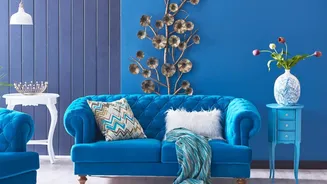
The first ingredient beyond colour is texture. The feel of a piece of furniture is just as important as its look. The most successful statement sofas of this new era are defined by their tactility. We're seeing a surge in materials that beg to be touched: the plush pile of velvet, the nubby irregularity of bouclé, the rich weave of a high-quality linen. These textures add a layer of sensory depth that colour alone cannot provide. They catch the light in different ways, creating subtle shifts in tone and shadow that make the colour itself appear more complex and luxurious. A flat, lifeless fabric can make even the most beautiful colour feel one-dimensional, whereas a rich texture gives it soul.
Why Form and Silhouette Matter
Beyond texture, the sofa's very shape is fundamental to its success. In 2026, designers are moving away from rigid, boxy lines and embracing more sculptural and organic forms. Sofas with gentle curves, low-slung profiles, and distinctive silhouettes are defining the trend. This focus on form establishes the room's entire architectural rhythm. An interesting silhouette draws the eye, creating a focal point and adding visual depth that breaks up the monotony of a typical room. Whether it’s the sweeping arc of a curved sectional or the clean, graphic lines of a modern frame, the outline of the sofa is what gives it presence. Colour applied to a thoughtfully designed form feels intentional and sophisticated; applied to a generic shape, it can feel like a gimmick.
Context Is Everything
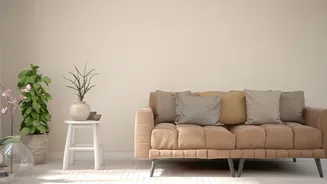
Finally, even a sofa with the perfect combination of colour, texture, and form can fail if it's placed in the wrong context. A piece of furniture does not exist in a vacuum. Its impact is determined by its relationship to the space around it—the scale of the room, the height of the ceilings, the quality of light, and the style of the other furnishings. A massive, brightly coloured sofa might overwhelm a small, low-lit room, while the same piece could look magnificent in a large, airy space. The surrounding palette also matters. A bold sofa can anchor a more restrained scheme or participate in a dynamic, multi-hued conversation. The art of design lies in this interplay, where the sofa becomes part of a cohesive and harmonious story.