


Clothing: Layer Smart, Stay Dry
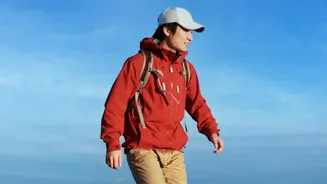
The golden rule for monsoon trekking is to avoid cotton. It absorbs moisture, gets heavy, and makes you cold. Instead, opt for synthetic, quick-drying fabrics. Your clothing system should consist of layers. Start with a moisture-wicking base layer (a
polyester t-shirt). Over this, you might wear a lightweight fleece for warmth if trekking at higher altitudes. The most crucial item is your outer layer: a reliable waterproof and breathable rain jacket or a poncho. A poncho has the added benefit of covering you and your backpack. Pack at least one extra pair of quick-dry trek pants and several pairs of wool or synthetic socks. Wet socks are a primary cause of blisters and discomfort.
Footwear: Grip is Everything
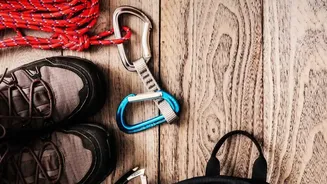
Your choice of footwear can make or break your trek. Regular sports shoes won't cut it on the slick, muddy trails of the monsoon Ghats. You need shoes with a deep, aggressive tread for maximum grip. Waterproof trekking shoes with good ankle support are ideal for preventing both slips and injuries on uneven terrain. Before you go, make sure your shoes are well broken-in to avoid painful blisters. It’s also wise to carry a pair of lightweight sandals or floaters for stream crossings and to give your feet a rest at your campsite or homestay.
The Backpack: Your Mobile Base
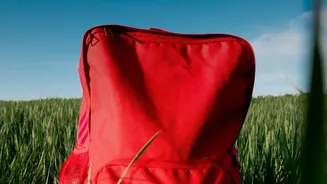
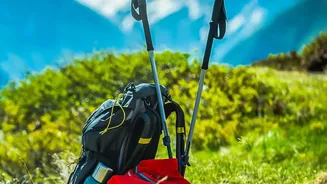
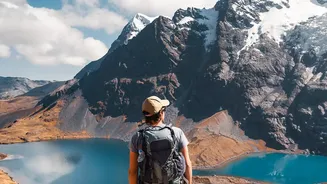
For a weekend trek, a 20-40 litre backpack is generally sufficient. More important than the size is ensuring its contents stay dry. A built-in rain cover is a must-have feature. Even if your backpack comes with a cover, it's a good practice to double-bag your essentials. Use dry bags or even simple plastic bags to compartmentalize and waterproof your clothes, electronics, and food. This ensures that even if the outer bag gets damp, your critical gear remains protected.
Dealing with Leeches and Insects
Leeches are a common sight in the Western Ghats during the monsoon, but they are mostly harmless. Prevention is the best approach. Wear leech-proof socks, which are long socks that go up to your knee. You can also tuck your trek pants into your regular socks to create a barrier. Applying a DEET-based insect repellent can also help deter them. If you find a leech on you, don't panic. You can gently nudge it off with a fingernail; they will also drop off on their own once full. Carry a basic first-aid kit with antiseptic wipes to clean any bites afterward, as the wounds can be itchy.
Essential Gear and Safety Items
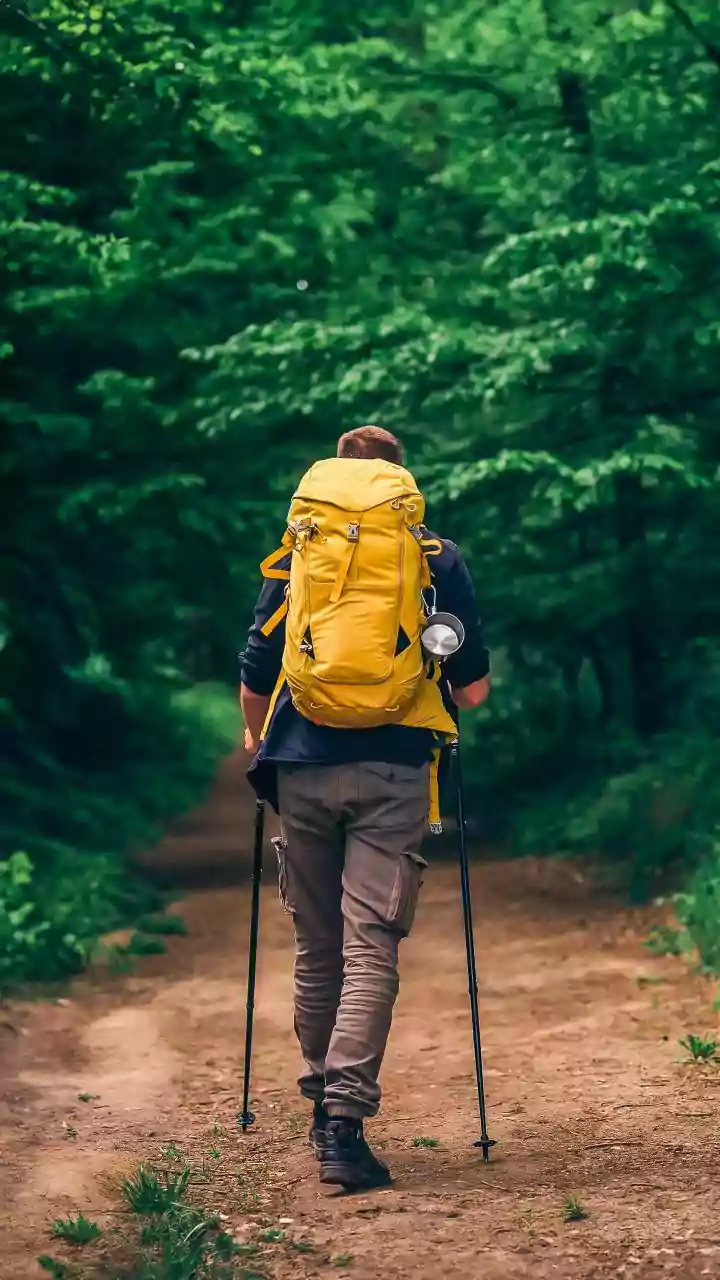
Beyond clothing and shoes, a few other items are non-negotiable. A headlamp or torch is essential, as visibility can drop quickly and you might find yourself trekking after dusk. Carry a basic first-aid kit with band-aids, antiseptic cream, pain relief, and any personal medications. Trekking poles are highly recommended; they provide two extra points of contact, which is invaluable for stability on slippery descents. A power bank will keep your phone and navigation devices charged. Finally, pack high-energy snacks like nuts, energy bars, and dates to fuel you on the trail, and carry a reusable water bottle and a water filter or purification tablets.