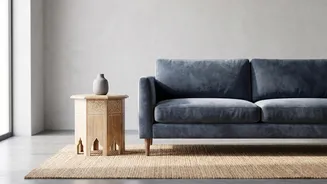

The Decline of the Showroom Look
For decades, buying a matching set of furniture was the easiest way to guarantee a coordinated room. The sofa, loveseat, and armchair all wore the same fabric; the bed, nightstands, and dresser shared the same wood finish and hardware. It offered a sense
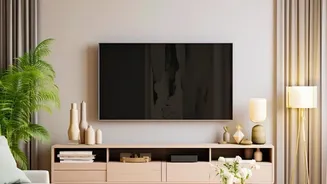
of order and took the guesswork out of decorating. But today, designers and homeowners agree that this approach often results in spaces that feel predictable, flat, and devoid of personality. The shift is away from creating a staged, showroom-perfect interior and towards a home that feels layered, lived-in, and genuinely reflective of the people who inhabit it. This trend values curation over convenience, celebrating a mix of styles, eras, and materials.
Why Personality and Practicality Rule
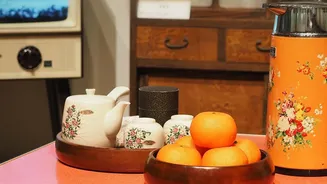
Several factors are driving this move toward individualism in decor. The rise of social media platforms like Instagram and Pinterest has exposed people to a wider array of design styles, encouraging them to mix and match to create a unique look. There's also a growing interest in sustainability, with many people choosing to invest in timeless, high-quality pieces that will last, or giving new life to vintage and secondhand finds rather than buying 'fast furniture'. Ultimately, the goal is to create a home that not only looks good but works for your lifestyle. Each piece is chosen for its specific function and its ability to tell a part of your story, whether it's an inherited armchair or a modern sofa you saved up for.
Start with a Common Thread
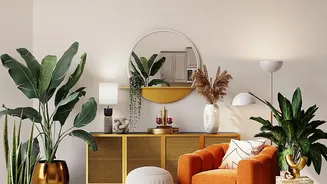
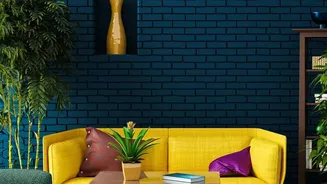
The secret to a beautiful, non-matching room isn't randomness; it's cohesion. Instead of matching furniture, you match elements. One of the simplest ways to unify a room with different furniture pieces is to establish a consistent colour palette. Choose two or three main colours and repeat them throughout the space in your furniture, textiles, and accessories. This creates a visual link that makes the different pieces feel like they belong together. Another strategy is to find a commonality in materials. You can mix different wood finishes, but perhaps you repeat a certain metal, like brass or black steel, in lighting, table legs, and picture frames to create a sense of harmony.
Mastering the Art of the Mix
Mixing furniture styles is what brings character to a room. A popular guideline is the 80/20 rule: let one primary style make up about 80% of your decor, then use the remaining 20% for an accent style that adds contrast and personality. For example, you could furnish a mostly modern living room with a vintage armchair and a rustic coffee table. The contrast feels intentional and exciting. Pay close attention to scale and proportion; a delicate antique chair might get lost next to a bulky modern sofa. Use painter's tape on the floor to map out potential furniture dimensions before you buy to ensure the pieces are balanced in size and visual weight.
Create Layers for a Collected Feel
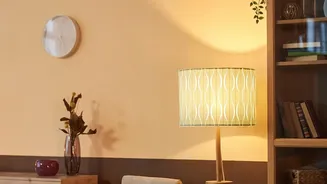
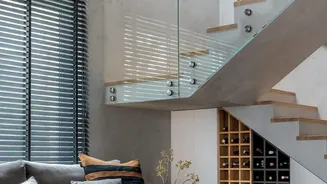
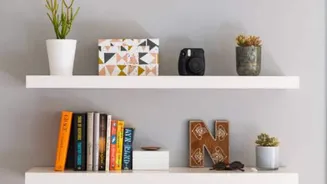
A curated home feels like it has been assembled over time. Layering is key to achieving this effect. Use textiles like rugs, pillows, and throws to tie everything together. A large rug can anchor a seating area, defining the space and unifying different chair and sofa styles placed on it. Art and decor are the final, personal touches. An industrial-style bookshelf can be softened with bohemian-inspired ceramics, while a sleek, modern console table can be topped with a vintage lamp. These smaller items help bridge the gaps between your larger furniture pieces, creating a rich, textured, and deeply personal environment.