





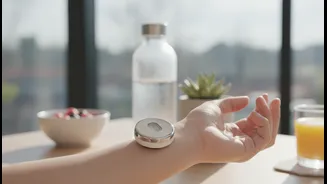



From Medical Device to Wellness Gadget
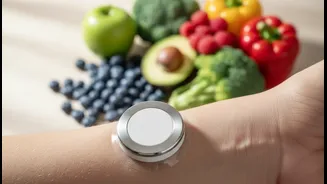
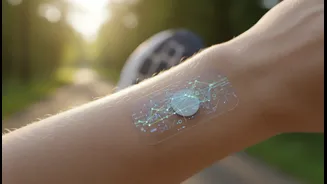
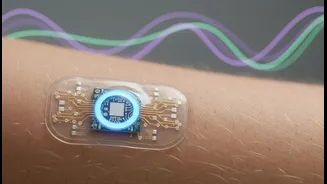
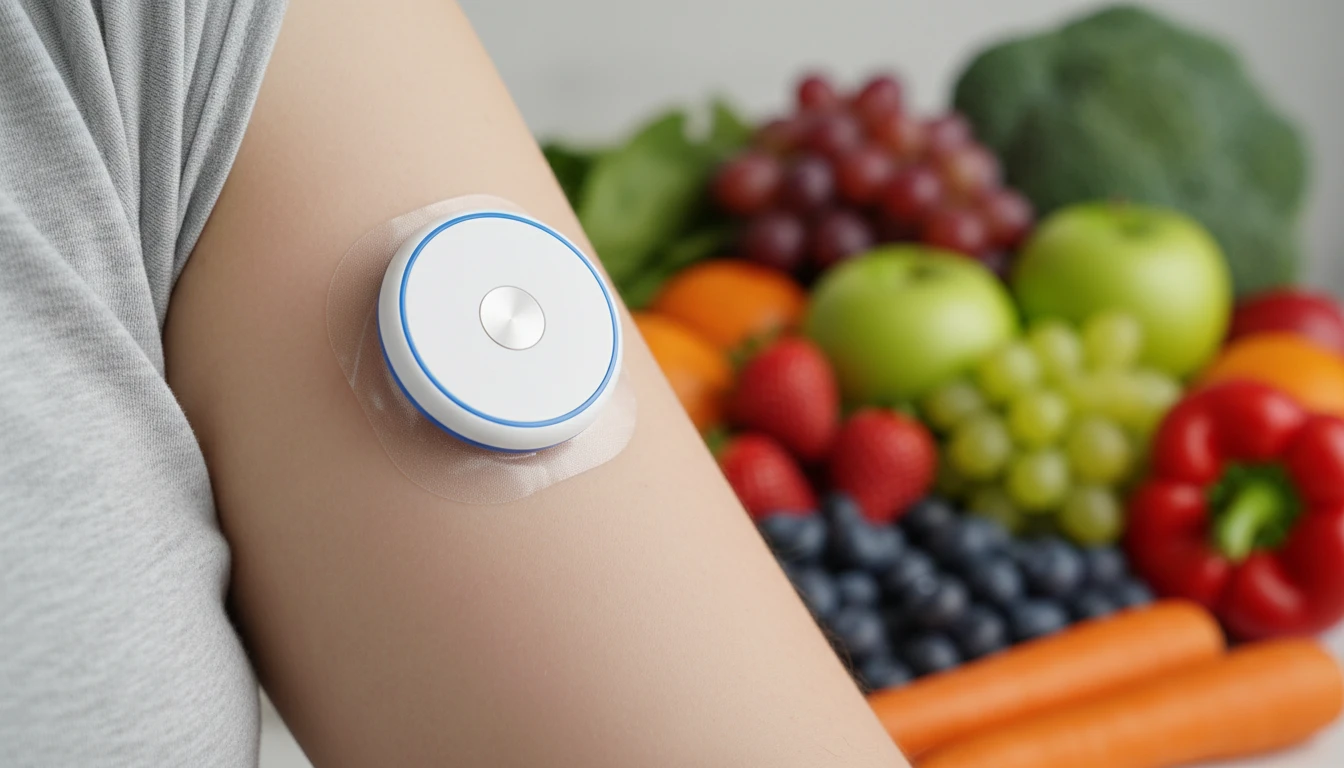
For years, continuous glucose monitors were strictly medical devices, essential for people with diabetes to manage their insulin and blood sugar levels. A CGM works via a tiny, painless filament inserted just under the skin, typically on the back of the arm.
This sensor measures the glucose in your interstitial fluid (the fluid between cells) every few minutes, providing a constant stream of data. But in the last few years, this technology has crossed over from the clinic to the consumer market. A new wave of health-conscious individuals—biohackers, athletes, and nutrition enthusiasts—are now using CGMs to gain a deeper understanding of their metabolic health. Companies in India like Ultrahuman and HealthifyMe are at the forefront, packaging CGMs with slick apps and personalised coaching to help users optimise their diet, exercise, and overall wellbeing.
The Allure of Real-Time Feedback
The core appeal of CGM technology for the wellness-focused user is simple: it makes the invisible visible. Instead of guessing how different foods affect you, you can see it in real-time. You can learn, for instance, that while a banana might cause a sharp spike for one person, another might have a more significant reaction to white rice. This direct bio-feedback is powerful. Users report being able to connect the dots between a post-lunch energy slump and a blood sugar crash, or understanding why they feel more energetic after a particular type of workout. The goal for most non-diabetic users is not to diagnose a disease but to maintain stable glucose levels, avoiding the sharp peaks and valleys that can impact mood, energy, hunger, and even sleep quality.
The Pursuit of Metabolic Health
The trend goes beyond just managing daily energy levels. There's a growing awareness of 'metabolic health'—how well your body processes energy. Blood sugar is a key indicator of metabolic function. Proponents argue that by minimising frequent, large glucose spikes, you can improve your body's insulin sensitivity over time. This is particularly relevant in India, where a significant portion of the adult population is estimated to have poor metabolic health. The thinking is that proactively managing glucose responses could be a preventative measure, potentially reducing the long-term risk of chronic conditions like type 2 diabetes and heart disease. For many, a CGM is a tool for early detection, helping them identify problematic dietary patterns and make lifestyle changes before they show up in annual blood tests.
What Do the Experts Say?
While the trend is booming, the medical community remains divided. Many endocrinologists and dietitians see the potential for CGMs to empower people to make healthier choices. However, there are also notes of caution. For one, the cost can be significant, with sensors needing replacement every two weeks and subscriptions for associated apps. Experts also warn that for healthy individuals, normal daily fluctuations in blood sugar could be misinterpreted, leading to unnecessary anxiety or overly restrictive eating habits. There is currently a lack of consensus among clinicians on how to interpret CGM data for people without diabetes, highlighting the need for more research. The general advice is that while a CGM can be an insightful learning tool for a short period, it isn't a replacement for a balanced diet and professional medical advice.