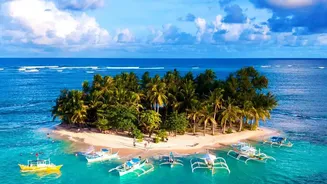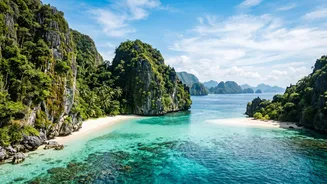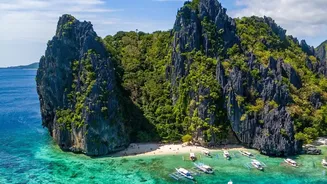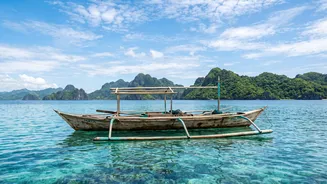

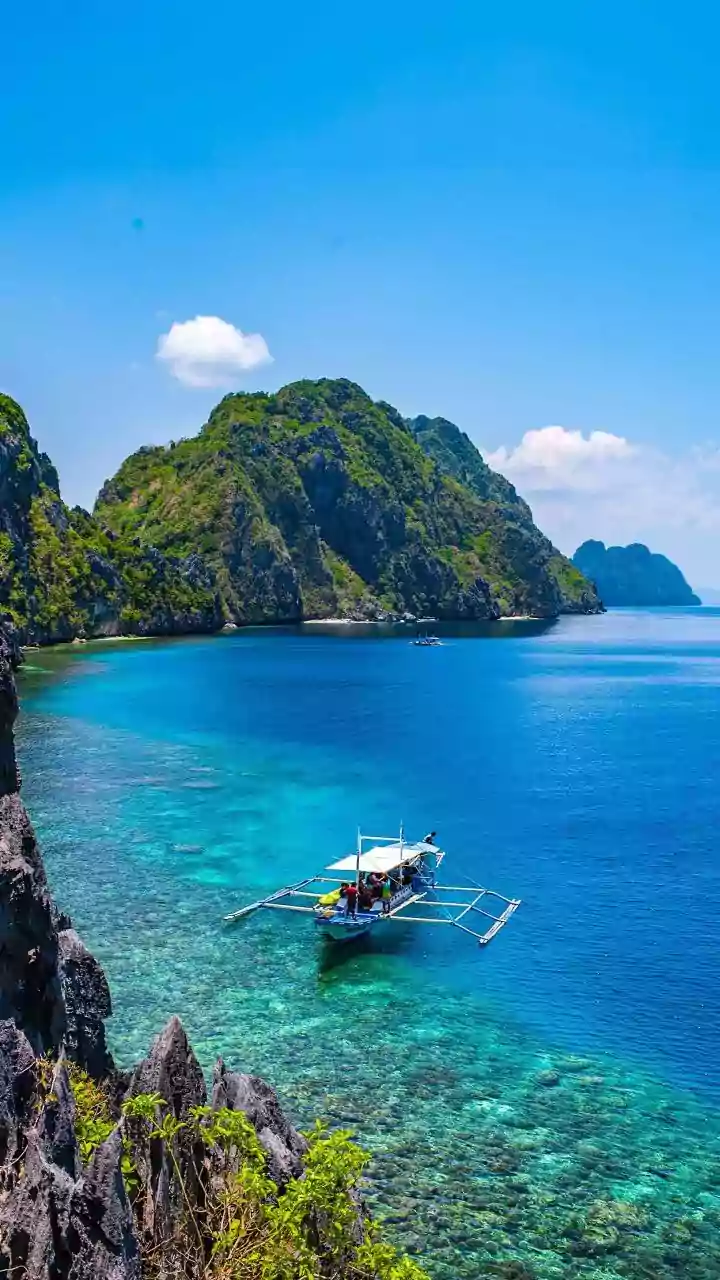



The fantasy is a familiar one: crystalline waters, sugar-white sand, and limestone cliffs rising from the sea. But the reality of visiting the Philippines' most famous remote islands often involves high costs and overwhelming crowds. Here’s how to plan.
The Paradise Tax: Why Are Some Islands So Expensive?
Destinations like El Nido and Coron in Palawan have become world-famous, and that popularity comes with a literal price. The primary cost driver is logistics. Their remote locations mean that getting there often requires a combination of flights and long van or ferry rides, each adding to the total expense. Once there, the most iconic sights—the stunning lagoons and hidden beaches—are only accessible via organised boat tours, which are a mandatory daily cost for most visitors. Demand heavily outstrips supply for accommodation, especially during the peak dry season from December to April, causing room rates to climb significantly. Even basic goods cost more on these islands simply because everything has to be shipped in. While a budget trip is possible, daily expenses in these hotspots are noticeably higher than in other parts of the Philippines.
Are They 'Overrated' or Just Overwhelmed?
The term 'overrated' often surfaces in travel forums regarding the most popular spots, but it's more a symptom of overcrowding than a lack of beauty. During peak season, the famous lagoons of El Nido can feel less like a secret paradise and more like a crowded aquatic traffic jam. The experience can become a conveyor belt of standardised tours where dozens of boats arrive at the same spot at the same time. This can detract from the serene, natural beauty that drew visitors in the first place. This intense tourism pressure has also raised environmental concerns, although significant rehabilitation efforts have been made in places like Boracay. For many travellers, the feeling of being 'overrated' comes from a mismatch between the expectation of a tranquil escape and the reality of sharing it with hundreds of other people.
Master the Art of Advance Booking
The single most effective way to combat high costs is to plan ahead. This is especially true for transportation. Budget airlines frequently offer promotional fares, but these are typically available only when booking several months in advance. Waiting until the last minute for domestic flights can result in paying four or five times the promo price. The same logic applies to accommodation. The best-value guesthouses and hotels in popular areas are often fully booked months out, particularly during the high season. Booking your stay three to five months before your trip not only secures a better price but also gives you a much wider choice of where to stay, preventing you from being stuck with overpriced last-minute options.
Travel During the Shoulder Season
If your schedule is flexible, travelling during the shoulder seasons—the months just before and after the peak tourist rush—is a game changer. The Philippines generally has two such windows: May, at the end of the dry season, and from September to November, as the wet season subsides. November is often cited as the sweet spot, offering the arrival of good weather before the peak season crowds and prices kick in. During these months, you can find significant discounts on accommodation and tours, often 20–30% lower than high–season rates. The beaches and main attractions are also far less crowded, allowing for a more relaxed and authentic experience.
Embrace Alternatives and 'Slower' Travel
The Philippines has over 7,000 islands, and many offer the same stunning beauty as the famous spots but without the crowds or high costs. Instead of heading straight for El Nido, consider the quieter town of Port Barton in Palawan. It offers a similar island–hopping experience at a fraction of the price and with a more laid–back vibe. Other islands like Siquijor, Romblon, and Camiguin are fantastic alternatives known for their natural beauty and affordability. Furthermore, the Philippines rewards slower travel. Instead of trying to cram four islands into ten days, which racks up transport costs, choose one or two regions to explore more deeply. Using local ferries instead of pricier flights between nearby islands, and eating at local eateries ('carinderias') instead of tourist–focused restaurants, will drastically reduce your daily expenses and enrich your travel experience.