
Why We Crave Wood
There's a deep, instinctual reason why wood makes an interior feel warmer and more inviting. It’s a concept known as biophilia—our innate tendency to connect with nature. Studies have shown that the presence of natural elements like wood can reduce stress
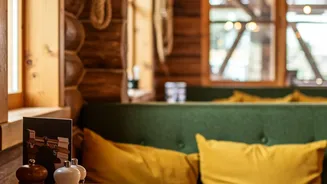
and promote a sense of calm. In interior design, wood represents growth, vitality, and stability. Its organic textures, varied tones, and unique grain patterns bring a dynamic, living quality to a room that synthetic materials often lack. Whether it's the rugged charm of reclaimed barn wood or the smooth finish of polished oak, wooden elements tap into a fundamental sense of comfort, making any space feel more grounded and serene.
Start With a Statement Piece
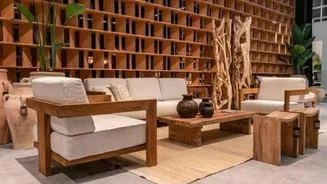
The easiest way to introduce rustic warmth is to start with a single, significant piece of wooden furniture. This item will act as an anchor for the room, setting a warm and inviting tone. Think of a solid wood dining table where family and friends can gather, a chunky wooden bed frame that makes a bedroom feel like a sanctuary, or a substantial coffee table that grounds your living area. Opting for reclaimed or distressed wood can add an immediate sense of history and character. This one key piece can define the space without overwhelming it, providing a focal point that the rest of your decor can complement.
Embrace Small, Impactful Accents
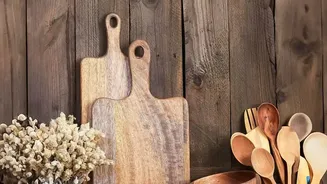
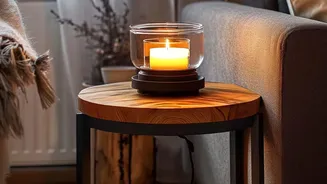
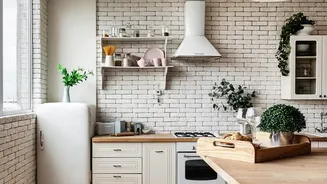
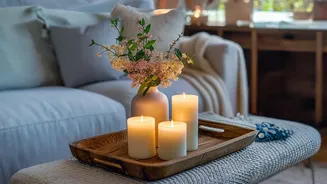
You don't need large furniture to make a big impact. Small wooden accents are a budget-friendly and versatile way to layer in warmth. Consider wooden picture frames, a set of handcrafted bowls on a shelf, or a sturdy cutting board propped up in the kitchen. Floating shelves made from reclaimed wood can provide both storage and a touch of rustic charm. Even simple items like wooden coasters, candle holders, or a decorative tray on an ottoman can add a curated, thoughtful touch. These smaller pieces are easy to move and swap out, allowing you to experiment with the rustic feel without a major commitment.
Find Your Rustic Style
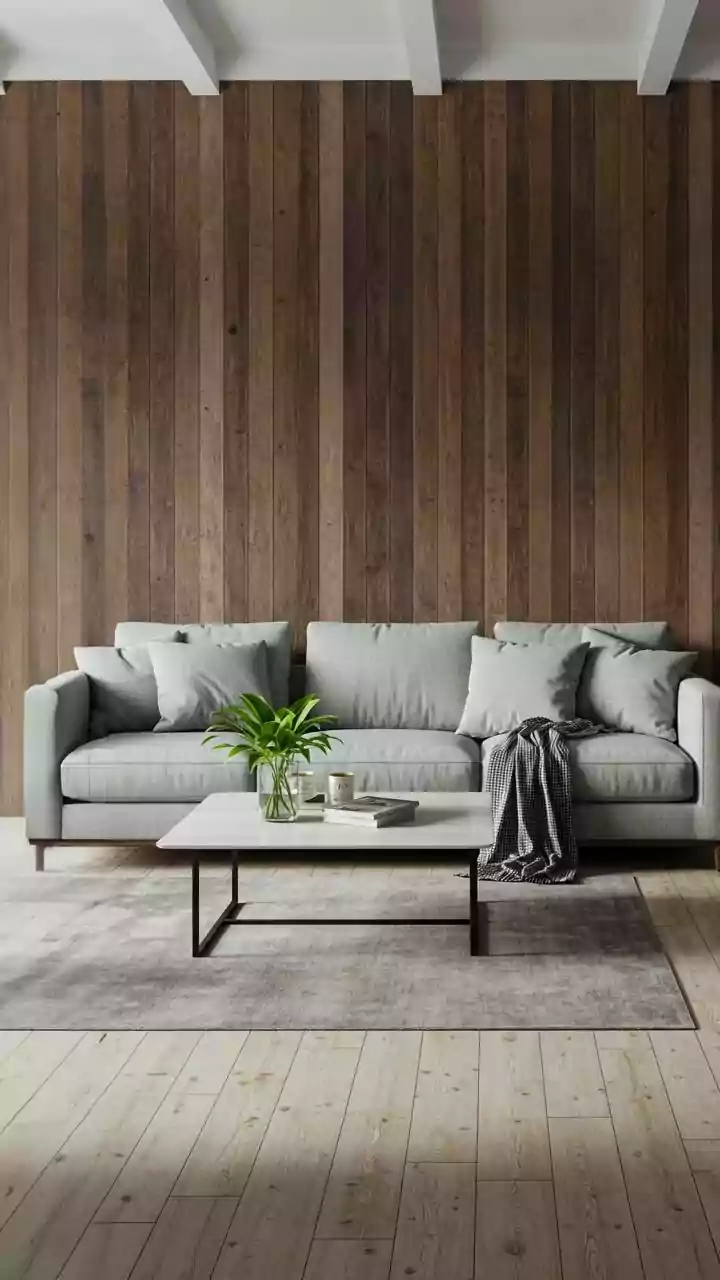
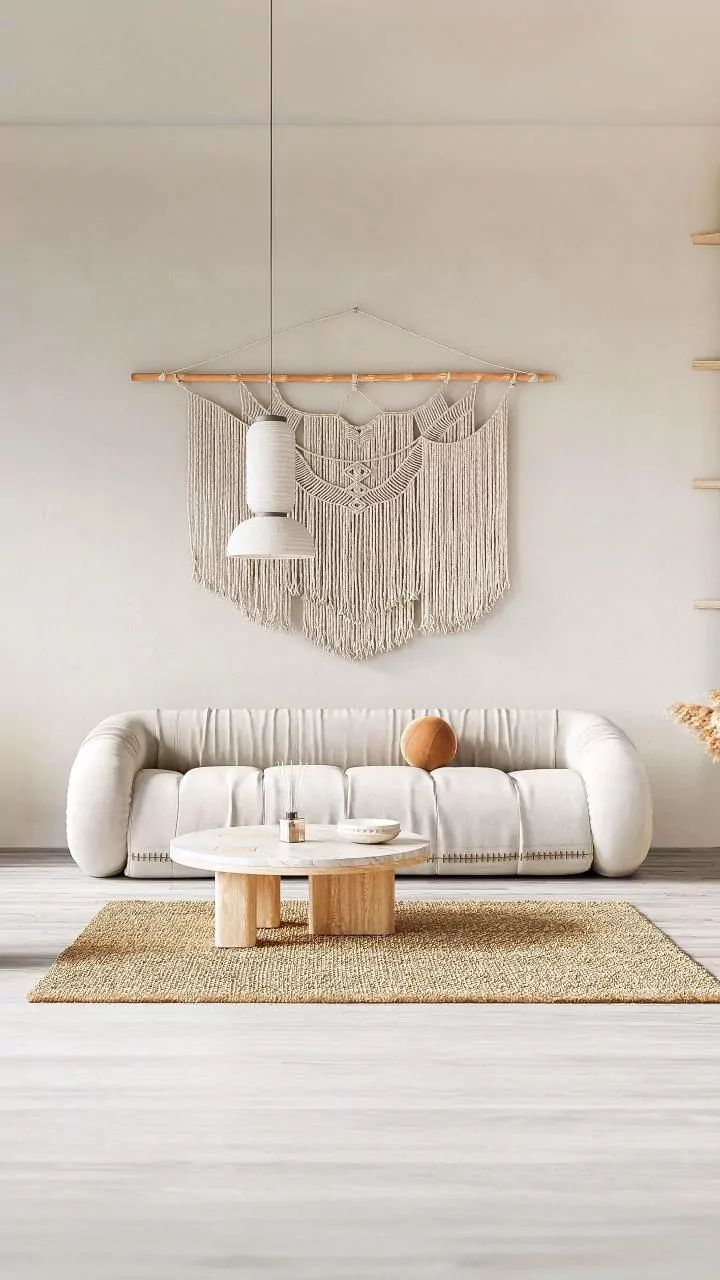
The term 'rustic' is wonderfully broad, encompassing a range of popular aesthetics. You can easily adapt wooden decor to fit your personal style. 'Modern Rustic' blends clean lines and minimalist decor with natural wood elements for a sophisticated look. 'Farmhouse' style leans into simplicity and nostalgia, often using whitewashed or reclaimed wood and vintage-inspired accessories. 'Scandinavian' design pairs light-toned woods with neutral colour palettes and a focus on functionality to create a cosy, minimalist feel. You can even mix rustic wood with industrial metal accents for a look that's both raw and refined.
The Art of Balance
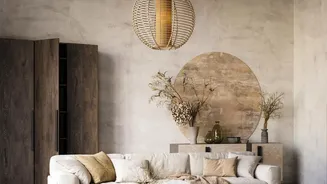
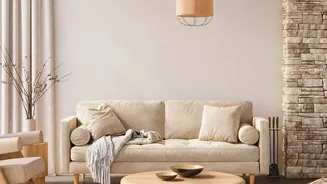
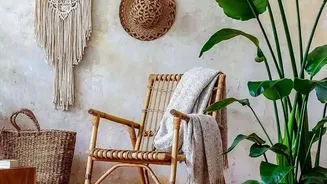
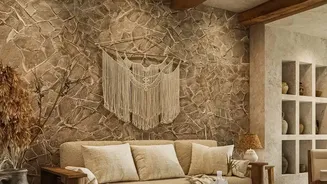
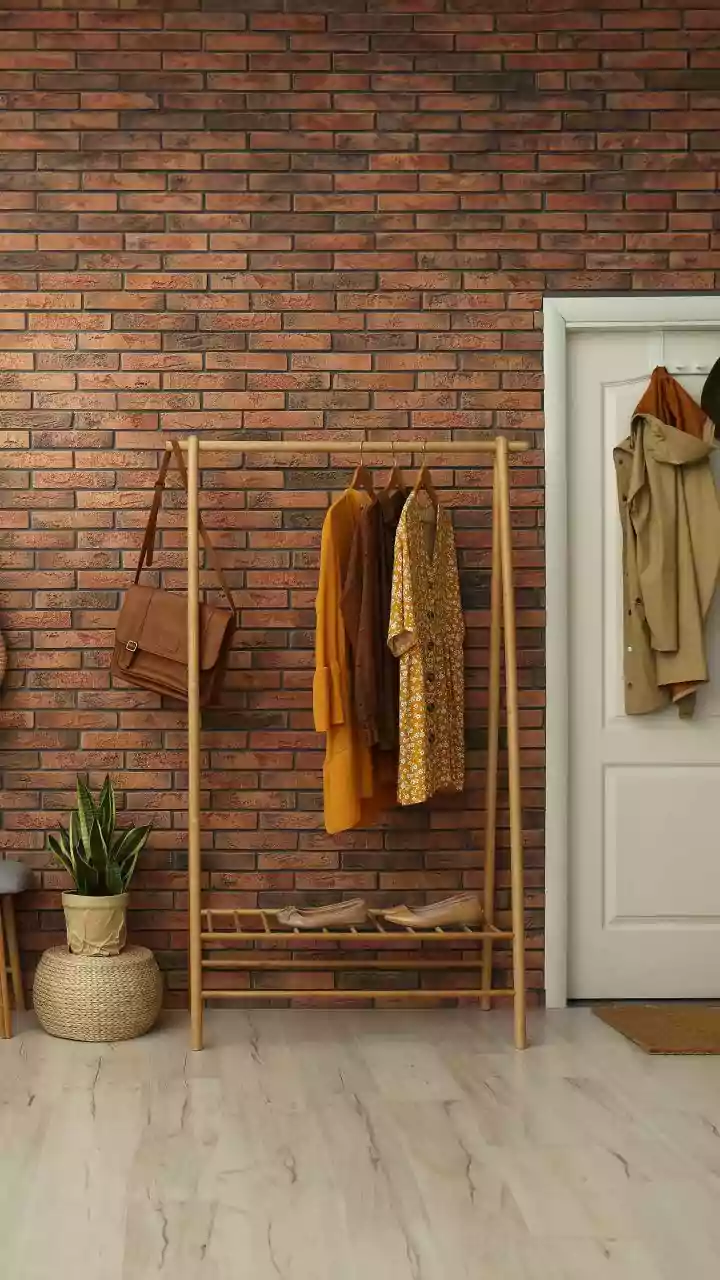
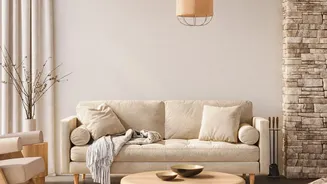
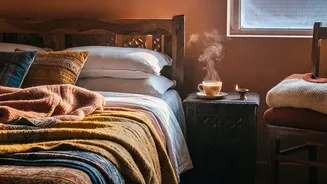
A key to successfully using rustic wood is to balance its weight and texture with other materials. To avoid a room feeling too heavy or cabin-like, mix wood with softer elements. Layer in cosy textiles like wool blankets, linen cushions, and soft area rugs to soften the clean lines of wooden furniture. Combining wood with other natural materials like stone, leather, and jute creates a cohesive, nature-inspired palette. Sleek metal or glass accents can provide a modern contrast that makes the wood's texture stand out even more. Using a neutral colour scheme on the walls—like shades of white, beige, or grey—provides a perfect backdrop that allows the natural beauty of the wood to shine.