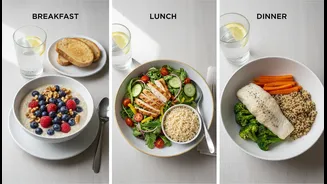






What is Fibre-First Eating?
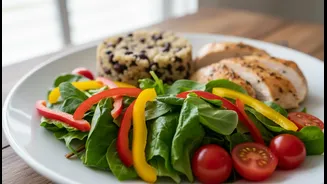
At its core, fibre-first eating is a simple strategy: begin your meal with a serving of vegetables or other high-fibre foods before you move on to proteins, fats, and finally, carbohydrates like rice or roti. Instead of overhauling your entire diet, you simply
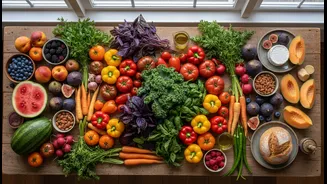
change the order in which you eat. Think of it as an appetiser with a purpose. Starting with a small salad, a bowl of vegetable soup, or a handful of raw carrots and cucumbers sets the stage for better digestion and nutrient absorption for the rest of the meal. This isn't a fleeting trend but a sustainable habit grounded in nutritional science.
The Science of Starting Strong
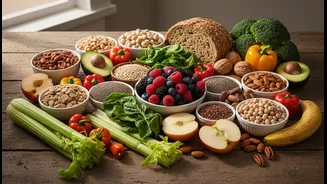
When you eat fibre first, you’re creating a sort of mesh in your digestive system. The soluble fibre found in foods like beans, oats, and many vegetables dissolves in water to form a gel-like substance. This gel slows down digestion, which has a powerful ripple effect. Most importantly, it slows the absorption of glucose from the carbohydrates you eat later in the meal. This prevents the sharp spike in blood sugar—and the subsequent energy crash—that often follows a carb-heavy meal. This simple act helps keep you feeling full and energised for longer.
A Powerful Tool for Blood Sugar Control
The blood sugar benefit is perhaps the most significant advantage of this eating style. When carbohydrates are eaten on an empty stomach, they are broken down and absorbed quickly, leading to a rapid rise in blood glucose. By starting with fibre, you effectively flatten this curve. The slower release of sugar into the bloodstream means your body doesn't need to pump out as much insulin to manage it. Over time, this can improve your body's sensitivity to insulin and lower the risk of developing conditions like type 2 diabetes. For those who already have diabetes or prediabetes, it’s an effective way to help manage blood sugar levels meal by meal.
More Than Just Digestion
While improved digestion and regular bowel movements are well-known benefits of fibre, the advantages don't stop there. Eating high-fibre foods first promotes a feeling of fullness, or satiety, which can help with weight management by preventing overeating. A fibre-rich diet also supports a healthy heart by helping to lower cholesterol levels. Furthermore, fibre acts as a prebiotic, feeding the beneficial bacteria in your gut. A healthy gut microbiome is linked to a stronger immune system and even improved mental clarity.
Putting It Into Practice: A Guide for Indian Meals
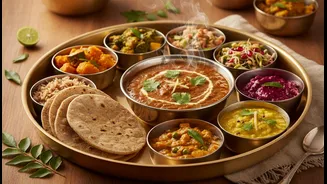
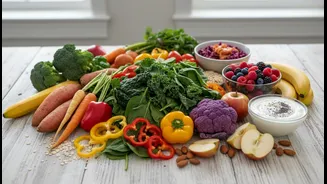
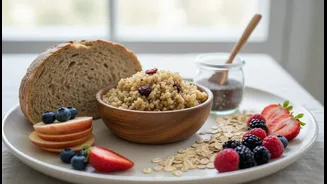
Integrating the fibre-first principle into an Indian diet is surprisingly easy, as many traditional meals are already rich in fibre. The key is simply to re-sequence. Start your lunch or dinner with a simple kachumber salad (cucumber, tomato, onion). Other great starters include a bowl of clear vegetable soup, a side of sauteed spinach (palak), or roasted bhindi. For breakfast, you could have a handful of nuts or a small bowl of fruit like guava or apple before your poha or upma. Even starting with a glass of water with a tablespoon of soaked chia seeds can make a difference. The goal is to get 5-10 grams of fibre in before the main part of your meal begins.
Building a Long-Term Habit
The recommended daily intake of fibre is around 25-30 grams, but most people get only about half of that. Instead of trying to hit this target overnight, which can cause bloating, it's best to increase your intake gradually. Start by applying the fibre-first rule to just one meal a day. Choose foods you already enjoy. If you don't like raw salads, try cooked vegetables. If you prefer legumes, start with a small bowl of chana or sprouts. The key is consistency. By making small, sustainable changes, you build a healthier meal structure that supports your well-being for years to come.