



Why the Shift to Healthier Plates?
The move towards more nutritious home cooking isn't a fleeting trend; it's a significant shift in mindset. A growing awareness around lifestyle diseases and a post-pandemic focus on wellness have made many Indians reconsider what goes into their daily
meals. Consumers are no longer just eating; they are tracking, measuring, and seeking out functional foods that offer benefits beyond basic nutrition. This has sparked a return to traditional wisdom, where food is seen as a form of preventive medicine. The goal isn't to replace beloved dishes but to enhance them, making every bite count towards long-term health without sacrificing the taste of home.
The Great Millet Makeover
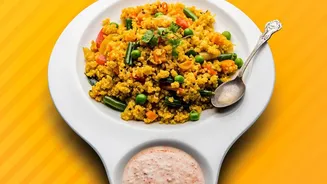
Perhaps the most significant change on the Indian dinner plate is the resurgence of millets. Once regional staples, grains like ragi (finger millet), jowar (sorghum), and bajra (pearl millet) are now pan-India pantry essentials. Spurred by government initiatives and a greater understanding of their benefits, millets are being embraced as a healthier alternative to refined rice and wheat. They are gluten-free, rich in fibre and protein, and have a lower glycemic index, which aids in blood sugar management. This 'millet renaissance' is seeing them appear in everything from dosa mixes and rotis to cookies and ready-to-eat meals, making it easier than ever for households to make the switch.
Supercharging the Humble Dal
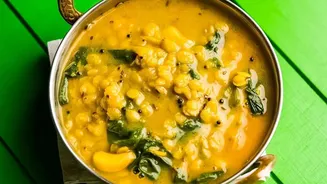
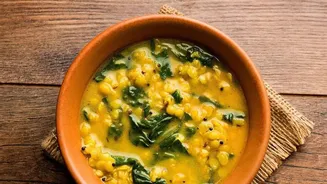
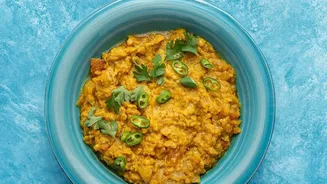
Dal, the quintessential Indian comfort food, is also getting a nutritional boost. While the base of lentils remains a powerhouse of plant-based protein, home cooks are now elevating it further. A simple tadka is being enhanced with a sprinkle of nutrient-dense seeds. Ground flaxseeds (alsi), for example, can be discreetly added to enrich the dal with Omega-3 fatty acids. Many are also loading their dals with more vegetables, turning a simple lentil soup into a complete 'sabzi dal' that is rich in fibre and vitamins. This approach combines two core components of a meal into one, increasing both convenience and nutritional value.
Smarter Sabzis and Healthier Fats
The way vegetables are cooked is also evolving. There's a conscious move away from excessive oil and deep-frying towards methods that preserve nutrients, such as steaming, roasting, and light sautéing. The choice of cooking fat is also becoming more deliberate. While many restaurants may use cheaper seed oils, there is a renewed appreciation in home kitchens for traditional fats like ghee, mustard oil, and coconut oil, which are more stable at high heat and offer their own health benefits. Ghee, rich in fat-soluble vitamins, is making a strong comeback, used mindfully for its flavour and nutritional properties in everything from tadkas to drizzling over rotis.
The Rise of Seeds and Savoury Protein
Beyond the main meal, the focus on nutrition extends to the final touches and overall composition. Seeds like pumpkin, sunflower, sesame (til), and chia are no longer just for festive sweets. They are now being used as everyday ingredients, ground into chutneys for creaminess, sprinkled over sabzis for crunch, or mixed into roti dough for added fibre and healthy fats. There's also a 'savoury-first' protein revolution happening. To make meals more satiating, cooks are consciously adding protein sources like paneer, legumes, or even hemp seeds to their vegetable dishes, ensuring a more balanced macronutrient profile in every meal.