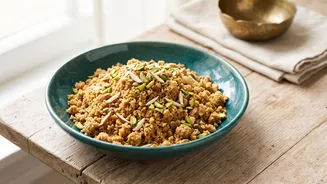



Dhaniya Panjiri
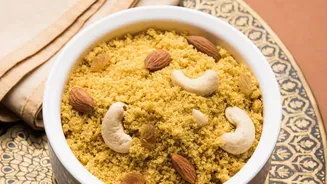
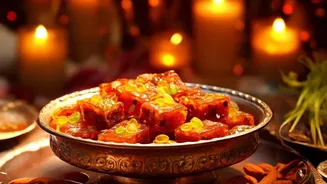
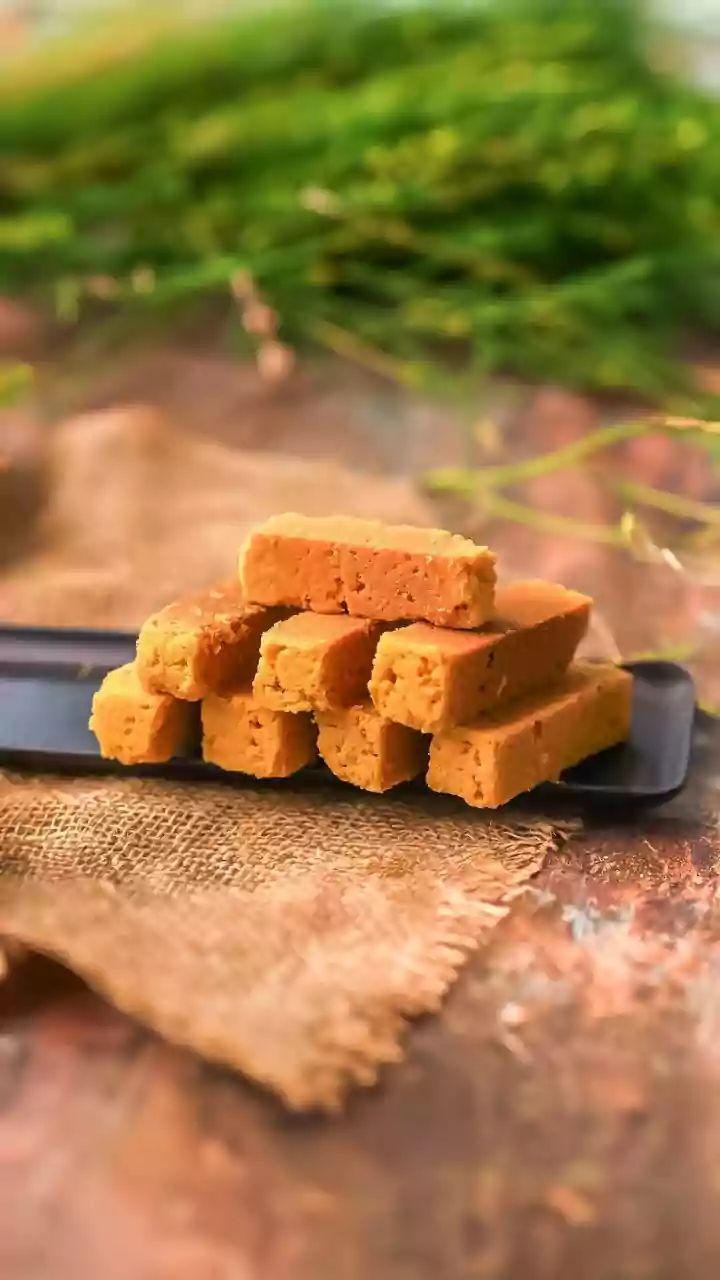
An essential prasad for Janmashtami, Dhaniya Panjiri is an aromatic and healthy sweet made from coriander seed powder, ghee, and nuts. Unlike flour-based panjiri, this version is also ideal for those observing a fast. Ingredients: - 1 cup coriander seed powder (dhaniya)
- 3/4 cup powdered sugar or jaggery - 1/2 cup ghee - 1/4 cup chopped almonds and cashews - 1/4 cup phool makhana (fox nuts) - 2 tbsp grated dry coconut - 1/2 tsp cardamom powder Method: 1. Heat 2 tablespoons of ghee in a pan and roast the phool makhana until crisp. Set aside. In the same pan, roast the almonds and cashews until golden and set them aside. 2. Add the remaining ghee to the pan and roast the coriander powder on low heat until it becomes fragrant and changes colour slightly, for about 5-7 minutes. 3. Turn off the heat and let the mixture cool for a few minutes. Add the powdered sugar, roasted makhana, nuts, grated coconut, and cardamom powder. 4. Mix everything thoroughly. Your Dhaniya Panjiri is ready to be offered as bhog.
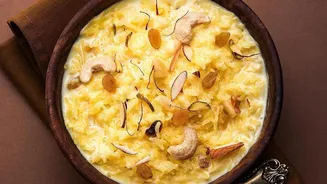
Makhana Kheer
This creamy and comforting pudding made with fox nuts (makhana) is a festive favourite. It’s light, nutritious, and a perfect milk-based offering that Lord Krishna is said to have loved. Ingredients: - 1 cup phool makhana (fox nuts) - 4 cups full-fat milk - 1/2 cup sugar (adjust to taste) - 1 tbsp ghee - A pinch of saffron strands, soaked in warm milk - 1/4 tsp cardamom powder - Chopped pistachios and almonds for garnish Method: 1. Heat ghee in a pan and roast the makhana on low heat until they are crisp and crunchy. This should take about 5-7 minutes. Set aside and lightly crush half of them to help thicken the kheer. 2. In a heavy-bottomed pot, bring the milk to a boil. Add the roasted makhana (whole and crushed). 3. Simmer on low heat, stirring occasionally, until the milk thickens and the makhana pieces soften, which takes about 15-20 minutes. 4. Add the sugar, saffron-soaked milk, and cardamom powder. Stir until the sugar dissolves completely. 5. Garnish with chopped nuts and serve warm or chilled.
Gopalkala (Dahi Poha)
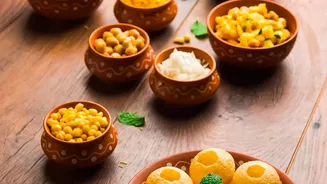
Gopalkala is a simple, no-cook savoury dish that is believed to be a favourite of Lord Krishna. It represents the meal he would share with his cowherd friends. It's refreshing, easy to assemble, and perfect for bhog. Ingredients: - 1 cup thick poha (beaten rice) - 1 cup curd (dahi), whisked - 1/2 cucumber, finely chopped - 2 tbsp grated coconut - 1 green chilli, finely chopped - 1 tbsp chopped coriander leaves - A handful of pomegranate seeds - Salt to taste Method: 1. Gently rinse the poha in a colander under running water and drain completely. Let it sit for 5-10 minutes to soften. 2. In a mixing bowl, combine the softened poha, whisked curd, chopped cucumber, green chilli, and salt. 3. Add the grated coconut and chopped coriander, mixing everything gently. 4. Garnish with pomegranate seeds. Some recipes also include a simple tempering of ghee, cumin seeds, and ginger for extra flavour. Let it rest for a few minutes before offering.
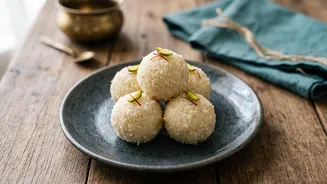
Nariyal Ladoo
These quick and delicious coconut ladoos are a festive staple across India. Made with just a few ingredients, they come together in minutes and are a delightful sweet treat to include in your Janmashtami thali. Ingredients: - 2 cups desiccated coconut (plus extra for rolling) - 1 tin (400g) condensed milk - 1/2 tsp cardamom powder - 1 tsp ghee (for greasing hands) Method: 1. In a heavy-bottomed pan, combine the 2 cups of desiccated coconut and condensed milk. 2. Cook the mixture on low heat, stirring continuously. In about 5-7 minutes, the mixture will thicken and start leaving the sides of the pan. 3. Turn off the heat and stir in the cardamom powder. Let the mixture cool down until it's warm enough to handle. 4. Grease your palms with a little ghee, take small portions of the mixture, and roll them into round ladoos. 5. Roll the finished ladoos in the extra desiccated coconut for a classic finish.
Panchamrit
No Hindu puja is complete without Panchamrit, the sacred nectar made from five ingredients. This cooling and divine concoction is used for the ceremonial bathing of the deity and is then distributed as prasad. Ingredients: - 1/2 cup raw cow's milk - 2 tbsp curd (dahi) - 1 tbsp honey - 1 tsp ghee - 1 tbsp sugar or powdered mishri - A few Tulsi leaves (holy basil) Method: 1. In a clean bowl (traditionally a silver or bronze one), combine the five main ingredients: milk, curd, honey, ghee, and sugar. 2. Mix well until everything is incorporated smoothly. 3. Add the Tulsi leaves to the mixture. Some variations also include chopped nuts, makhana, or banana for added texture and flavour. 4. The Panchamrit is ready for the puja. It is offered to the deity and then served in small quantities to devotees.
Makhan Mishri
This is perhaps the simplest and most significant offering for Janmashtami, symbolising Lord Krishna's childhood love for butter (makhan). This no-cook prasad is all about purity and devotion. Ingredients: - 1 cup fresh white butter (unsalted) - 1/4 cup mishri (rock sugar), lightly crushed - A few Tulsi leaves for garnish Method: 1. Take the fresh white butter in a clean bowl. Ensure the butter is soft and at room temperature. 2. Add the crushed mishri to the butter. 3. Gently fold the mishri into the butter until it is evenly mixed. Do not over-mix, as you want to retain the texture of the mishri crystals. 4. Garnish with Tulsi leaves before offering it to Lord Krishna. This prasad is best served fresh.