



Jamun (Java Plum)
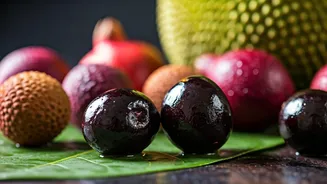
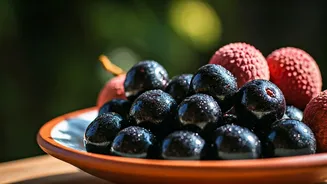
Imagine a fruit with the deep, dark purple of a Concord grape and the oblong shape of an olive. That’s jamun, an undisputed star of the monsoon season in India. The first bite is an experience: a wave of sweetness gives way to a sharp, astringent kick
that makes your mouth pucker in the best way possible. It’s this complex sweet-tart-tannic flavor that makes it so beloved. Traditionally, people sprinkle jamun with a pinch of black salt to balance the astringency and enhance its sweetness. While finding fresh jamun in the U.S. is a treasure hunt, it’s increasingly available frozen or as a pulp or juice in Indian grocery stores. It’s a flavor that instantly transports you to a rainy afternoon in South Asia.
Rambutan
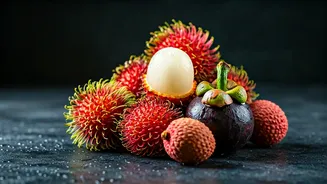
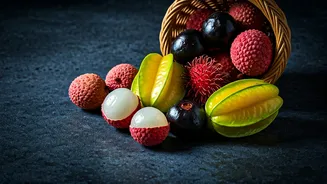
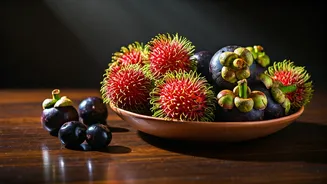
If a fruit could win an award for most whimsical appearance, it would be the rambutan. Covered in soft, hairy-looking spines (the name comes from the Malay word for 'hair'), this golf-ball-sized orb looks like something from a Dr. Seuss book. But peel away its leathery, vibrant red or yellow skin, and you’ll find a translucent, jelly-like globe inside. The texture is firm yet juicy, similar to its cousin, the lychee, but often with a slightly creamier, more floral taste. It’s less overwhelmingly sweet than a lychee, with subtle notes of strawberry and grape. You can find fresh rambutans in the summer and fall at many Asian supermarkets across the U.S., making them one of the more accessible fruits on this list. Just pop one open and eat it fresh.
Mangosteen
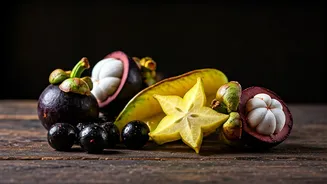
Often called the 'Queen of Fruits,' the mangosteen lives up to its royal reputation. On the outside, it’s a small, round fruit with a tough, deep purple rind and a green, crown-like cap. The magic, however, is inside. Break it open to reveal pristine, snow-white segments of flesh that look like cloves of garlic. The flavor is sublime and almost impossible to pin down: a delicate balance of sweet and tangy, with hints of lychee, peach, strawberry, and pineapple. It’s fragrant, melts in your mouth, and has no fibrous texture. For years, fresh mangosteens were banned from import into the U.S., but they are now available (though pricey) at specialty produce shops and Asian markets when in season. If you see one, consider it a mandatory purchase.
Ripe Jackfruit
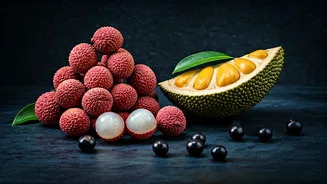
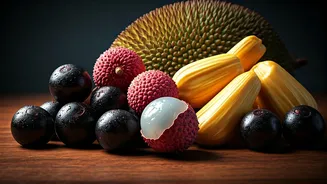
You’ve probably seen 'young' or 'green' jackfruit in cans, celebrated as a plant-based substitute for pulled pork. Forget that completely. Ripe jackfruit is a different beast altogether—a sweet, aromatic, and deeply tropical fruit. A whole jackfruit is enormous, spiky, and can weigh up to 80 pounds. Inside, you’ll find bright yellow pods of flesh, each surrounding a large seed. The flavor is a potent cocktail of banana, pineapple, and mango, with a chewy texture that some compare to Juicy Fruit gum. The aroma is strong and can fill a room. While wrestling with a whole one is a sticky, latex-filled endeavor, many Asian and Latin American markets sell pre-cut, packaged trays of the ripe yellow pods, saving you all the work.
Lychee (or Litchi)
Of all the monsoon-season fruits, the lychee is likely the most familiar to American palates, thanks to its popularity in desserts and cocktails. But there’s nothing like eating one fresh. The bumpy, pinkish-red skin peels away easily to reveal a pearly, translucent fruit. The taste is a burst of floral sweetness, like a cross between a grape and a rose, with a hint of citrusy tartness. It’s intensely fragrant and dripping with juice. While it’s a delicacy across Asia during the early monsoon, its growing season in places like Florida and Hawaii means fresh lychees are available in the U.S. from late spring into summer. Look for them in Asian markets or even some conventional grocery stores during their peak.