



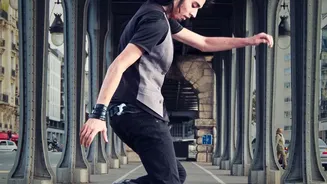

At first glance, hiking and skateboarding are worlds apart. One is a journey into nature, the other a dance with urban landscapes. But beneath the surface lies a fascinating contrast in how the body moves: steady, rhythmic endurance versus explosive,
dynamic power.
The Rhythm of the Trail: Hiking's Steady State
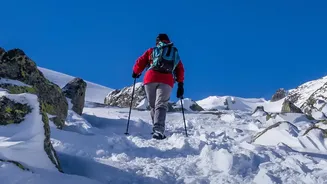
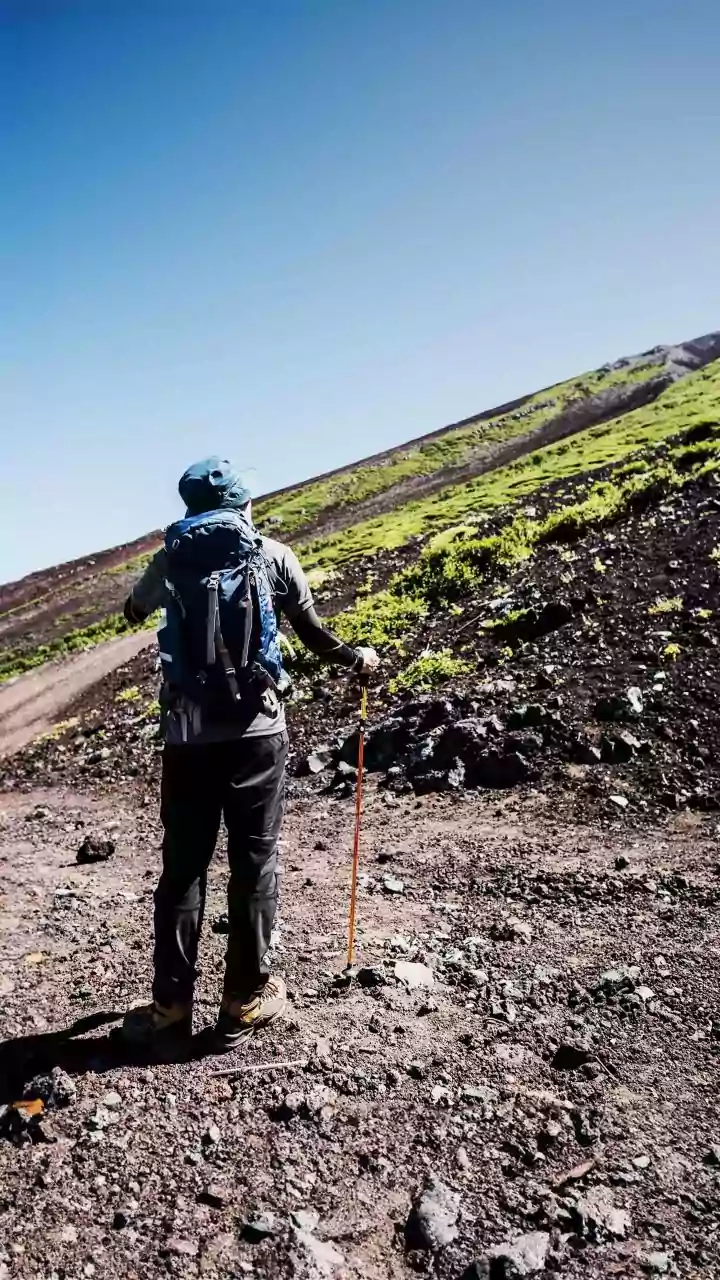
Hiking is the embodiment of steady, rhythmic movement. It’s an aerobic activity defined by continuous motion that uses large muscle groups over an extended period. Think of it as a long-form conversation between your body and the trail. The primary muscles at work are the large powerhouses of the lower body: the quadriceps, hamstrings, glutes, and calves. These muscles work in a consistent, cyclical pattern with every step. Your core muscles also play a crucial, though less obvious, role by providing stability on uneven terrain, keeping you balanced as you navigate rocks, roots, and inclines. The beauty of hiking is its scalability. A flat, gentle path offers a low-intensity, steady-state cardio workout. As the trail steepens, your heart rate increases, and your muscles work harder, transforming the walk into a demanding endurance challenge. This sustained effort builds cardiovascular health and muscular endurance, training your body to perform efficiently over long durations.
The Flow of the Board: Skateboarding's Dynamic Bursts
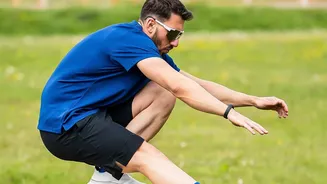
Skateboarding operates on a completely different physical principle: dynamic movement. Instead of sustained effort, it's all about short, intense bursts of anaerobic activity. Pushing off the ground, executing a trick like an ollie, or carving a sharp turn requires explosive power. This type of movement engages muscles differently. While leg strength is key, skateboarding heavily relies on core strength for balance and quick adjustments. Every motion on the board, from maintaining balance while rolling to the complex coordination of a flip trick, starts from the core. Furthermore, it intensely trains smaller stabilising muscles, particularly in the ankles and feet, which are constantly working to maintain balance on a moving platform. This dynamic nature builds agility, coordination, and proprioception—your body's awareness of its position in space. The physical output is stop-and-start; moments of intense exertion are followed by periods of coasting, which challenges the body in a way that's more about reaction and power than prolonged stamina.
Endurance Engine vs. Explosive Power
The core difference in fitness benefits comes down to the energy systems used. Hiking is primarily an aerobic exercise, meaning your body uses oxygen to convert fats and carbohydrates into energy. This is excellent for building a strong heart and lungs and improving your overall endurance. Skateboarding, on the other hand, is predominantly anaerobic. The quick, powerful movements are fuelled by energy stored directly in your muscles, not oxygen. This is better for building muscle power, speed, and agility. A study comparing the biomechanics of skateboarding and walking found that skateboarding involves greater trunk and hip flexion and requires more work from the knee extensors and supporting leg muscles to maintain balance and propel forward. So, while both activities can be a great workout, they build different kinds of athletes. A hiker develops the capacity to go for hours, maintaining a steady pace. A skateboarder develops the ability to generate force quickly and react in an instant.
Meditative Miles vs. Hyper_Focused Flow
The mental states cultivated by hiking and skateboarding are as different as their physical demands. The repetitive,' steady rhythm of hiking can induce a meditative state.' With your body on a kind of autopilot,' your mind is free to wander,' reflect,' or simply be quiet,' which can reduce stress and anxiety.' Many hikers experience a 'flow state' where time seems to slow down and the effort feels less painful.' Skateboarding fosters a different kind of flow—one of intense,' present_moment focus.' To stay on the board,' avoid obstacles,' and land a trick,' a skater must be completely absorbed in the here and now.' This hyper_focus silences the mental chatter of daily worries,' creating a therapeutic state of complete immersion.' While the hiker's meditation is expansive and rhythmic,' the skater's is sharp and reactive,' demanding full attention to the constant feedback between the body,' the board,' and the pavement.