



The Slow Retreat from 'No Pain, No Gain'
For years, the fitness world has been dominated by a single mantra: go hard or go home. High-Intensity Interval Training (HIIT) became the gold standard, promising maximum results in minimum time. But a growing number of people are finding that this all-or-nothing
approach comes at a cost. The relentless intensity can lead to burnout, increased risk of injury, and elevated stress hormones like cortisol. In a world already grappling with high levels of stress, many are questioning whether their workouts should add to it. This has sparked a quiet rebellion against the culture of punishing exercise, leading to a search for more sustainable and mentally nourishing ways to move.
The Rise of 'Cozy Cardio' and Gentle Movement
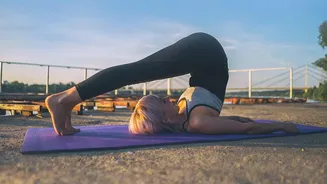
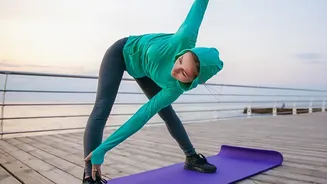
Enter 'cozy cardio', a social media trend that perfectly captures the new mood. Popularized by creators who were looking to heal their relationship with exercise, it reframes cardio as a comfortable and enjoyable activity. Think walking on a treadmill while watching a favorite TV show, lighting a candle, and sipping a coffee. This isn't about hitting peak heart rates; it's about making movement a form of self-care. The trend is part of a broader shift towards low-impact exercises like walking, yoga, and Pilates, which are easier on the joints and promote flexibility. The goal is no longer to endure a workout, but to genuinely enjoy it, making it something you want to return to day after day.
Why Consistency Is the New Intensity
The core of this new fitness mindset is the principle that consistency trumps intensity. Behavioral psychology shows that motivation is fleeting and unreliable, which is why so many ambitious workout plans fail. Small, repeatable actions, however, build powerful habits. A daily 20-minute walk is more beneficial over the long term than a single, grueling workout once a week. Low-impact exercise reduces recovery time, allowing you to stay active more consistently without the physical and mental burnout associated with overtraining. This steady approach builds self-trust and reinforces the identity of being someone who is active, which is a key predictor of long-term success.
Walking: The Accessible Superpower
At the heart of this movement is walking, an accessible and profoundly effective form of exercise. It requires no special equipment, is gentle on the body, and offers significant benefits for both physical and mental health. Regular walking is linked to improved cardiovascular health, better mood, and reduced anxiety. It increases blood flow to the brain, which can boost mental alertness and help regulate the nervous system. New structured walking trends like the 'Japanese Walking Method'—alternating between fast and slow paces—have gained immense popularity for their ability to improve aerobic capacity more effectively than just steady walking. These methods turn a simple walk into a more strategic workout without losing its accessibility.
Finding Your Own Sustainable Rhythm
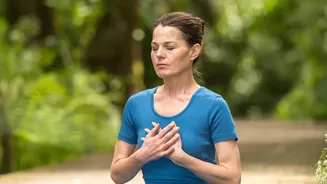
Adopting this gentler approach to fitness is about personalization, not perfection. It starts with rejecting the idea that exercise must be punishing to be effective. Instead of forcing a routine you dread, find movement you enjoy. If you're new or returning to exercise, start small. A 15 or 20-minute walk is a great starting point. You can make it a mindful practice by focusing on your breath, a social activity by walking with a friend, or an entertaining one by listening to a podcast. The key is to create a positive association with movement, transforming it from a chore into a celebration of what your body can do. This reduces mental resistance and builds a habit that can genuinely last a lifetime.