

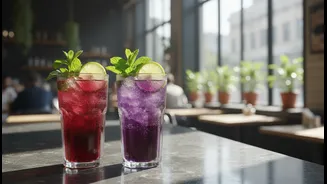


From Fizz to Flora
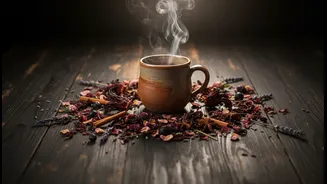
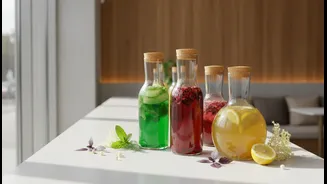
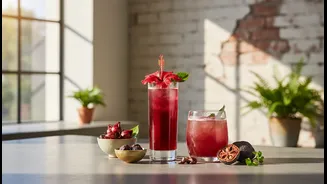
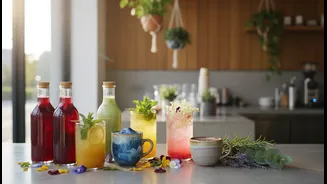
So, what exactly are botanical beverages? Think beyond your standard packaged juice or soda. These are drinks crafted with infusions, extracts, and essences from plants—flowers, herbs, spices, and even roots. They range from sparkling waters infused with elderflower
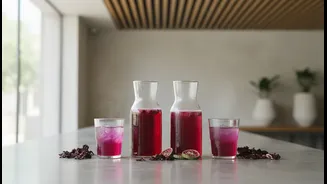
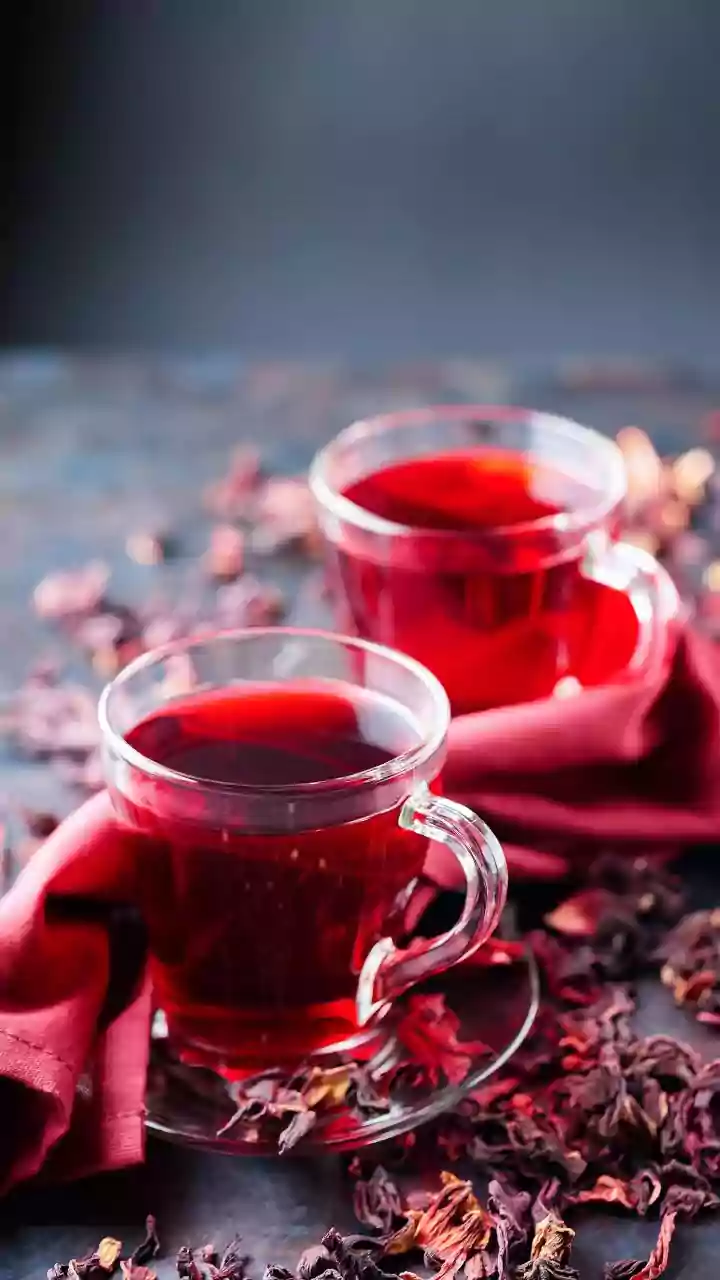
and lavender to iced teas brewed with hibiscus and rose, and tonics featuring traditional Indian ingredients like ashwagandha, brahmi, and turmeric. This isn't just about flavour; it's about creating a beverage that feels both artisanal and purposeful, tapping into a global trend that has found fertile ground in India. The focus is on natural, often minimally processed ingredients that offer a more complex and sophisticated taste profile than their mass-produced counterparts.
A Thirst for Wellness
The driving force behind this shift is a collective move towards health and wellness, a trend that gained significant momentum after the pandemic. Indian consumers, particularly urban millennials and Gen Z, are more conscious than ever about what they consume. They are reading labels, questioning sugar content, and actively seeking out 'clean' and 'natural' alternatives. This generation is moving away from the empty calories of traditional soft drinks, which are increasingly seen as unhealthy. Instead, they are drawn to functional beverages that promise benefits like improved digestion, boosted immunity, or stress relief. This turn towards wellness has made ancient Indian traditions like Ayurveda newly relevant, with cafés creatively repurposing remedies like kadhas and rasams into trendy wellness broths and elixirs.
The New Café Menu
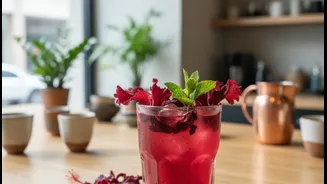
Café menus across metros like Mumbai, Bengaluru, and Delhi are reflecting this change. Once dominated by cappuccinos and colas, they now feature an array of innovative botanical creations. Ingredients that were once confined to traditional kitchens or Ayurvedic texts are now stars. You're likely to find drinks featuring hibiscus, kokum, jamun, and bael sharbat alongside globally trending flavours like matcha, yuzu, and elderflower. For instance, a simple nimbu soda blueprint is being elevated with botanical infusions, while traditional drinks like sattu and buttermilk are being positioned as protein-rich refreshers for a modern audience. Café owners say these drinks offer a mix of novelty, wellness, and an experience that appeals to today's customers who are looking for something more than just a thirst-quencher.
The Cola Conundrum
Are fizzy drink giants really feeling the heat? While carbonated beverages still dominate the overall non-alcoholic drinks market in India, their stronghold in the urban café space is undeniably being challenged. The fight is for a specific, influential demographic that prioritises health and is willing to pay a premium for it. These are the trendsetters whose choices ripple outwards. Even major players like PepsiCo have acknowledged this shift, expanding their portfolios to include more non-fizzy, low-sugar options to cater to evolving tastes. In essence, while you'll still find cola on the menu, it's no longer the default choice for a growing number of café-goers who are actively 'sober curious' or simply seeking healthier, more interesting alternatives.
The Business of Botanicals
For café owners, this trend is a win-win. Crafting unique, in-house botanical beverages offers a significant advantage over simply stocking mainstream soft drinks. These artisanal drinks command higher profit margins and provide a unique selling proposition (USP) that helps a café stand out in a crowded market. They also allow cafés to build a brand identity centered around wellness, quality, and creativity—values that resonate strongly with their target audience. Furthermore, the visual appeal of these colourful, often beautifully garnished drinks makes them highly 'Instagrammable', generating free marketing as patrons share their experiences online. This aesthetic and experiential quality has become a key part of the modern café experience.