



Beyond the Six-Pack
The era of meticulously tracking every gram of protein, carbohydrate, and fat appears to be evolving. While the 'macro' mindset was heavily focused on body composition—building muscle or losing fat—a growing movement among millennials and Gen Z in India
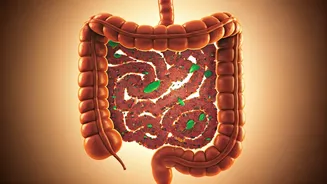
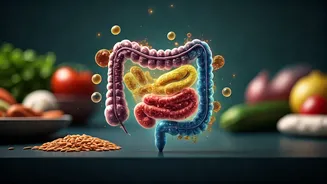
is shifting the goalposts. The new benchmark for health isn't just about how you look, but how you feel from the inside out. This has put the spotlight squarely on the digestive system, a complex ecosystem often referred to as our 'second brain'. The conversation is no longer just about fuel for the muscles, but nourishment for the trillions of microbes living in our gut. This represents a significant turn from a purely aesthetic approach to a more holistic, intuitive form of well-being, where energy levels, mood, and digestive comfort are valued as much as a number on a scale.
What is Gut Nutrition?
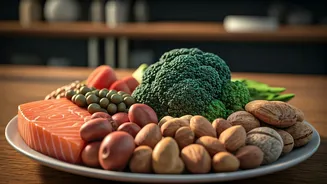
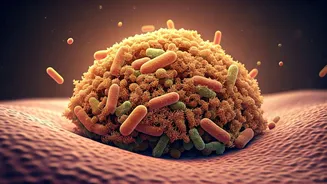
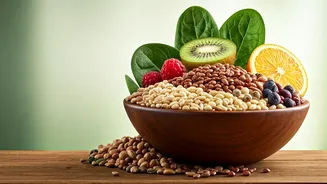
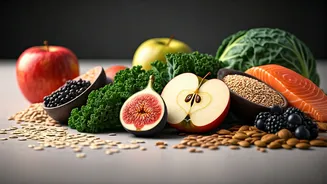
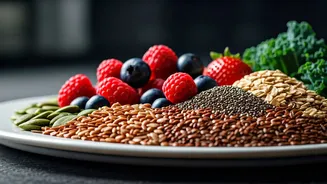
At its core, 'gut nutrition' is about feeding the beneficial bacteria in your gut microbiome. Think of it as gardening; you want to provide the right fertiliser for the good plants (bacteria) to thrive and crowd out the weeds. This is where high-fibre foods become heroes. Our bodies can't digest fibre, but our gut bacteria can. They ferment it, producing short-chain fatty acids (SCFAs) that have profound benefits, from strengthening the gut barrier to reducing inflammation and even influencing mood. This approach also champions prebiotics (foods that feed good bacteria, like onions, garlic, and bananas) and probiotics (live beneficial bacteria found in fermented foods like dahi, kefir, and kombucha). It's less about rigid counting and more about incorporating a diverse range of plant-based and fermented foods into one's diet.
The Problem with Macro-Obsession
Counting macros isn't inherently bad; it can be a useful tool for specific athletic or health goals. However, a hyper-focus on hitting protein, carb, and fat targets can lead to a narrow and sometimes unhealthy relationship with food. It’s possible to meet your macro goals by eating highly processed foods that offer little in the way of micronutrients, fibre, or phytochemicals. This can leave the gut microbiome starved and imbalanced, leading to issues like bloating, constipation, and low energy—the very problems the new wave of health-conscious individuals is trying to solve. The gut-first approach argues that food quality trumps quantity. A meal rich in diverse fibres and nutrients is seen as superior to a processed protein bar, even if their macro profiles are similar.
Why the Shift is Happening Now
Several factors are driving this trend. Firstly, there is a surge in public awareness about the gut-brain axis—the biochemical signalling that takes place between the digestive tract and the central nervous system. Young adults are increasingly connecting their dietary habits to their mental health, seeking solutions for anxiety and mood swings in their food choices. Secondly, the post-pandemic world has amplified the focus on immunity, and a healthy gut is intrinsically linked to a robust immune system. Finally, social media influencers and wellness experts are moving away from restrictive diet culture and promoting more sustainable, feel-good approaches to eating. This has made conversations about bloating, digestion, and gut-friendly recipes mainstream and aspirational.
An Indian Renaissance
What makes this trend particularly interesting in India is that it represents both a return to roots and an embrace of the new. Traditional Indian cuisine is naturally rich in gut-friendly elements. Fermented foods like idli, dosa, and dhokla, alongside the daily bowl of dahi (yoghurt), have been staples for generations. This new focus allows young Indians to reconnect with their culinary heritage through a modern wellness lens. Simultaneously, there's a booming market for new-age gut health products. Homegrown brands are launching everything from artisanal kombucha and kefir to kimchi and prebiotic supplements, making it easier than ever for young consumers to experiment with and incorporate gut-healthy habits into their busy lives. It's a perfect blend of ancient wisdom and modern convenience.