

Understanding Complete Protein
First, let's break down what 'complete protein' actually means. Proteins are made of building blocks called amino acids. There are 20 different types, but nine of them are considered 'essential'. Our bodies can't produce these nine on their own, so we
must get them from food. A food source that contains all nine of these essential amino acids in sufficient amounts is called a complete protein. Animal products like meat, eggs, and dairy are naturally complete proteins, which is why they are often highlighted in fitness diets. Most individual plant-based foods, however, are 'incomplete', meaning they are low in one or two essential amino acids.
The Amino Acid Puzzle of Lentils and Rice
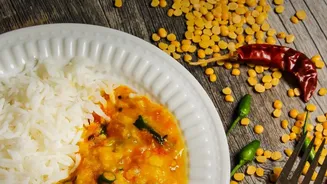
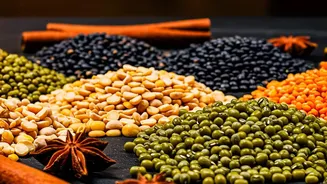
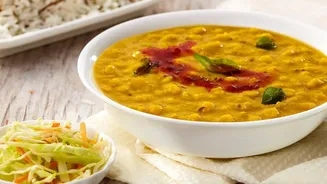
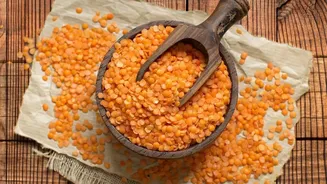
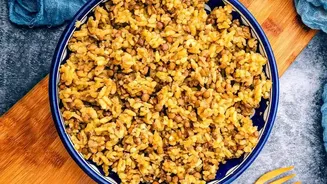
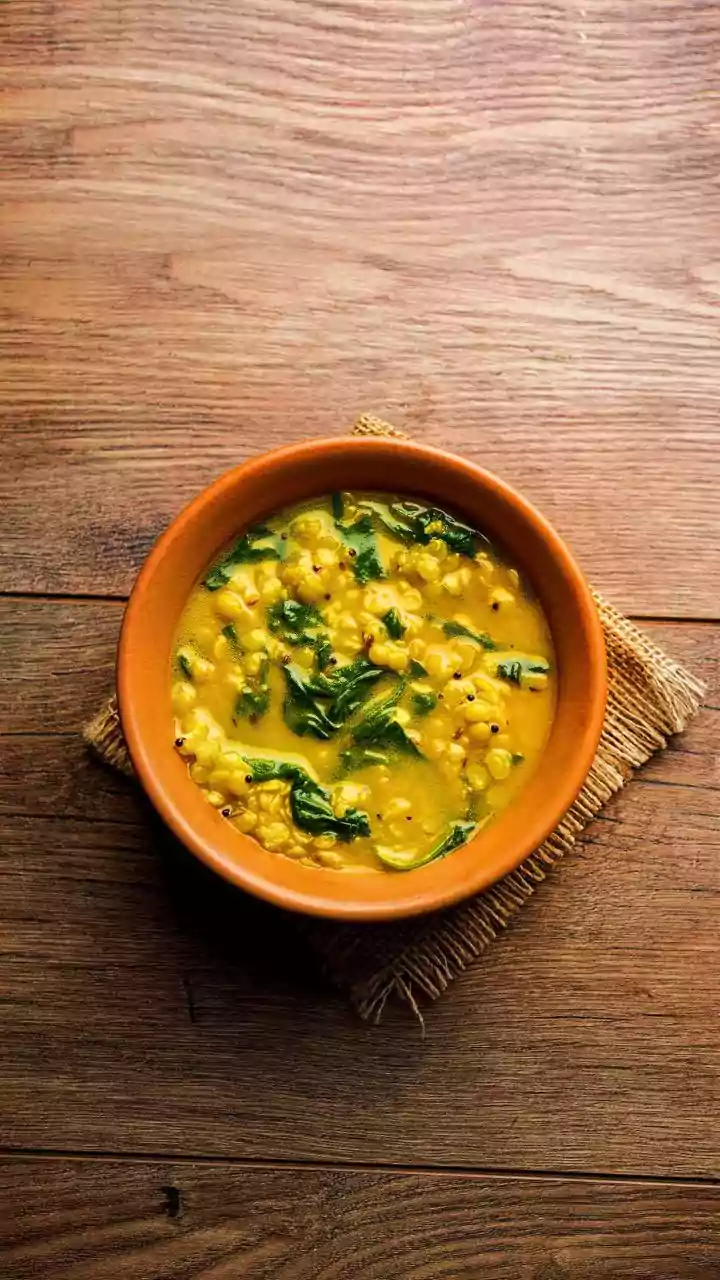
This is where the magic of food pairing comes in. Lentils (dal) and rice, two staples of the Indian diet, are perfect nutritional partners. On their own, each has a small deficiency. Lentils, like most legumes, are packed with protein but are typically low in two sulphur-containing amino acids: methionine and cysteine. Rice, on the other hand, is low in the essential amino acid lysine. So, if you were to build your diet exclusively on lentils or exclusively on rice, you would eventually create a nutritional gap. But when you eat them together, they solve each other's problems.
The Power of Protein Complementation
The act of combining two or more incomplete protein sources to create a complete protein is called 'protein complementation'. The lysine that is abundant in lentils makes up for the lack of it in rice. Conversely, the methionine that rice contains fills the gap left by the lentils. The result is a meal that delivers all nine essential amino acids, providing your body with the full spectrum of building blocks it needs for muscle protein synthesis, tissue repair, and overall health. This isn't just a modern diet hack; it's a principle embedded in traditional cuisines worldwide, from dal-chawal and rajma-chawal in India to rice and beans in Latin America.
More Than Just Protein for Performance
The benefits of a dal-rice meal for someone who is physically active extend far beyond just protein. This combination is a fantastic source of complex carbohydrates, which provide the sustained energy needed to fuel intense workouts and replenish glycogen stores afterward. Both lentils and rice, especially brown rice, are rich in dietary fibre, which aids digestion and promotes a healthy gut. Furthermore, the meal is packed with essential micronutrients. Lentils provide iron, which is crucial for carrying oxygen in the blood; folate, vital for cell growth; and magnesium and potassium, which play roles in muscle function and blood pressure regulation.
Making It Work for Your Fitness Goals
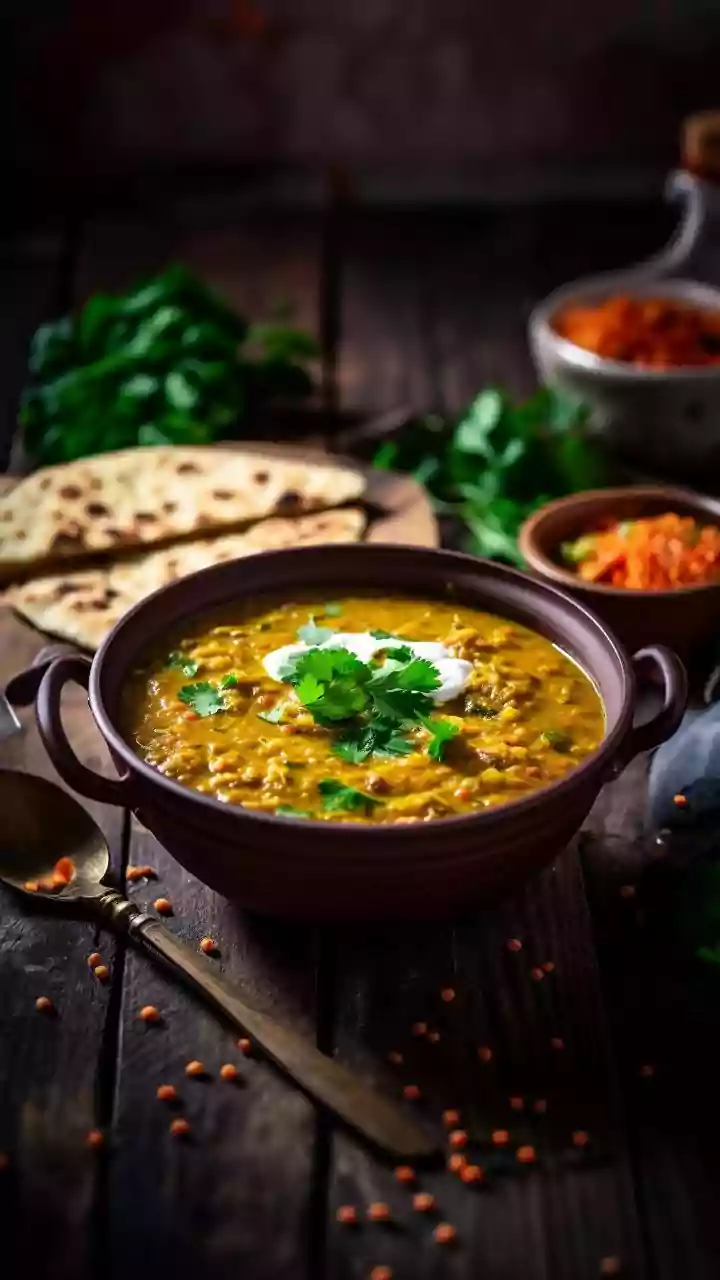
To maximise the benefits, consider a few practical tips. While you don't necessarily need to eat both foods in the same bite for your body to get the complementary effect, a combined meal is efficient and satisfying. Your body maintains a pool of amino acids, so as long as you eat a variety of grains and legumes throughout the day, you'll likely meet your needs. For a post-workout recovery meal, a bowl of dal and rice provides both the protein for repair and the carbs for energy replenishment. Opting for brown rice over white will increase the fibre and mineral content. Adding a dollop of ghee not only enhances the flavour but also provides healthy fats and fat-soluble vitamins like A, D, and E, making the meal even more nutritionally dense.