



Apples: The Reliable Classic
Apples are a top-tier travel fruit for a reason: their dense flesh and sturdy skin protect them from the bumps and jostles of a daily commute or long journey. Firmer varieties like Granny Smith, Honeycrisp, and the apples commonly found in Indian markets
are less prone to bruising than softer types. For a quick snack, a whole apple is unbeatable. If you prefer slices, you can prevent the inevitable browning caused by oxidation. A quick soak for a few minutes in a solution of water and a little lemon juice, or even a very mild saltwater rinse, can keep slices looking fresh for hours. Afterwards, pat them dry and pack them in an airtight container.
Citrus Fruits: Nature's Own Packaging
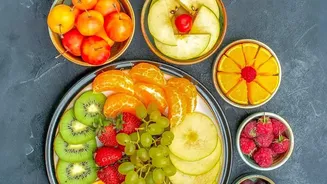
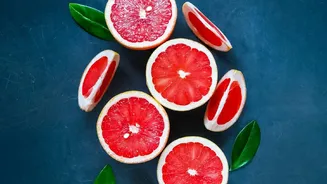
Oranges, kinnows, and clementines are brilliantly designed for travel. Their thick, peelable skin provides excellent protection against bruising and keeps the juicy segments inside clean and ready to eat. They require no special containers and can be tossed into a bag without much worry. Plus, their high vitamin C content is a welcome bonus. For easier snacking, especially for kids, you can peel and segment them at home and store them in a leak-proof container. Because they are not exposed to air like an apple, the segments hold up remarkably well without any special treatment.
Firm Pears: A Softer, But Sturdy, Option
While a very ripe, soft pear is a recipe for a mess, a firm, just-ripening pear is an excellent travel companion. Choose pears that are firm to the touch, similar to how you would select a sturdy apple. Their texture is satisfying and they offer a different flavour profile. Like apples, they can be eaten whole or sliced. If you do slice them, they are also prone to browning, so giving them the same lemon-water treatment is a good idea to maintain their appearance and appeal. Packing them whole is the safest bet to ensure they arrive in perfect condition.
Grapes: The Perfect Pop-able Snack
Grapes are a fantastic, low-mess snack, provided they are packed correctly. Choose bunches with firm, plump grapes that are securely attached to the stem. To pack, gently pull them from the main stem into smaller clusters or individual grapes. This makes them easy to eat and prevents the whole bunch from being crushed. Store them in a hard-sided container to protect them from being squished in your bag. A rigid box is far superior to a plastic bag, which offers no protection from pressure. Rinsing and thoroughly drying them before packing also helps maintain their freshness.
Pomegranate Arils: Resilient Jewels
Instead of trying to transport a whole pomegranate, de-seed the fruit at home and pack the arils (the juicy seeds). These little jewels are surprisingly resilient and don't turn mushy easily. They offer a burst of sweet-tart flavour and a delightful crunch. A small, airtight container is all you need to transport them. They make for a vibrant, antioxidant-rich snack that feels far more special than a simple piece of fruit. This preparation saves you the trouble of dealing with the pith and peel while on the move, making it a convenient and mess-free option.
Berries: Handle with Care
Berries can be tricky, as many varieties like raspberries are famously delicate. However, firmer berries such as blueberries and even whole strawberries can travel well if you give them a little extra attention. The key is protection. Always use a hard, sturdy container to shield them from getting crushed. It also helps to line the bottom of the container with a paper towel to absorb any excess moisture, which can lead to sogginess. Wash berries just before packing, as washing them too far in advance can hasten spoilage. An insulated lunchbox with an ice pack is ideal for keeping them cool and fresh.