



The Magic of 'Black Gold'
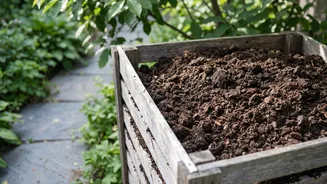
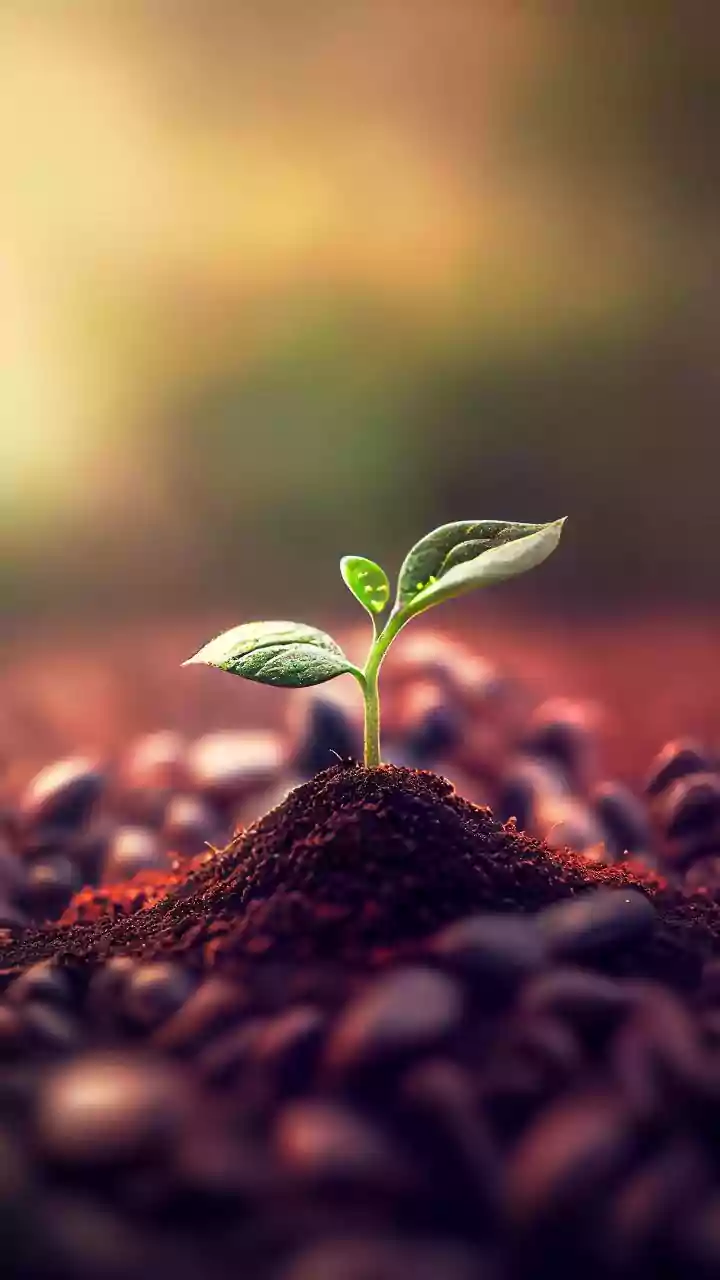
Compost is often called 'black gold' for good reason. It’s a dark, crumbly, earthy-smelling substance that results from the natural decomposition of organic matter. Unlike synthetic fertilisers that feed plants directly, compost feeds the soil. It’s teeming
with millions of beneficial microorganisms that improve soil structure, helping it retain moisture in sandy soils and improve drainage in heavy clay. This process creates a perfect environment for plant roots to access air, water, and nutrients, leading to healthier, more resilient plants. The best part? You can make this incredible soil amendment for free, using materials you would otherwise throw away.
More Than Just Waste Reduction
The satisfaction of composting goes far beyond reducing the waste that goes to landfills, which is a significant environmental benefit on its own. For gardeners, the rewards are tangible. Using homemade compost enriches the soil with a balanced diet of essential nutrients like nitrogen, phosphorus, and potassium, as well as crucial micronutrients. Coffee grounds, a star ingredient, are particularly rich in nitrogen. Studies have shown that adding them to a compost pile helps maintain high temperatures, which can kill weed seeds and harmful pathogens. This leads to stronger plants, can improve the taste of homegrown vegetables, and reduces the need to spend money on commercial fertilisers.
Your Kitchen’s Compostable Treasures
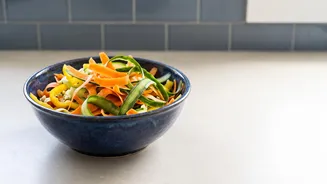
A successful compost pile requires a healthy mix of 'greens' and 'browns'. 'Greens' are nitrogen-rich, moist materials, while 'browns' are carbon-rich, dry materials. Your kitchen is a goldmine for 'green' materials. This includes all your fruit and vegetable scraps, peels, used coffee grounds, and tea leaves. Crushed eggshells are another excellent addition. 'Browns' are things like dried leaves, shredded newspaper (not the glossy kind), cardboard, and cocopeat. The general rule of thumb is to aim for a balance, often suggested as two or three parts green waste to one part brown waste, to keep the compost pile aerated and odour-free.
What to Keep Out of the Bin
Knowing what not to compost is just as important as knowing what to add. Certain items can attract pests, create foul odours, or introduce harmful pathogens to your finished compost. As a general rule for a simple home setup, you should avoid adding meat, fish, bones, and dairy products. Oily or greasy foods are also a no-go. While small amounts of acidic foods like citrus peels are generally fine, adding too much can disrupt the beneficial bacteria doing all the hard work. Also, be sure to exclude any diseased plant material to prevent spreading problems back into your garden.
A Simple Starter Guide for Any Home
You don't need a large yard to start composting. Many urban gardeners in India successfully compost on balconies using a simple bin method. A terracotta pot, a plastic bucket with a lid, or a dedicated composter all work well. Start with a layer of 'browns' (like dried leaves or torn cardboard) at the bottom for aeration. Begin adding your 'greens' (kitchen scraps) in layers, and always cover a fresh layer of kitchen waste with a thin layer of 'browns'. This is key to preventing odours and flies. Keep the pile as moist as a wrung-out sponge—not too wet, not too dry. Turn the mixture with a small rake or stick every few days to introduce oxygen, which speeds up decomposition. In a few weeks to a couple of months, you'll have your very own nutrient-rich black gold.