



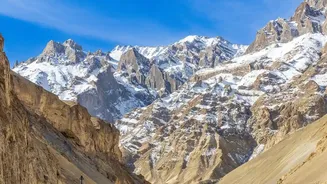
The Weather Paradox
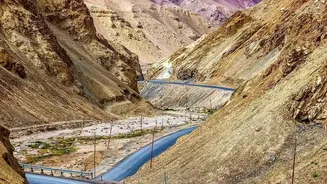
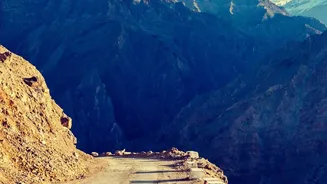
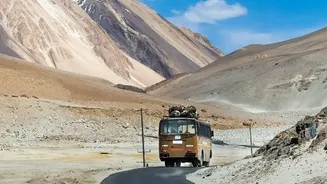
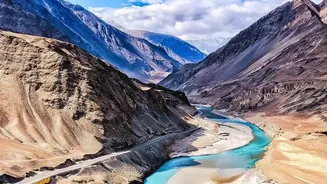
The single biggest misconception about Ladakh in August is the weather. While the region is in a rain shadow, meaning Leh and its surrounding valleys receive very little rainfall, the highways leading to it do not share this advantage. Both the Manali-Leh
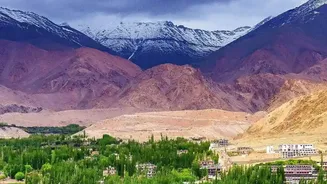
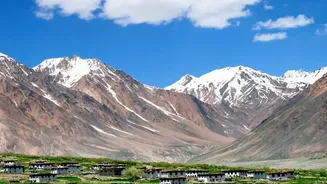
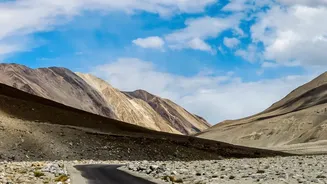
and Srinagar-Leh routes are significantly affected by the Indian monsoon in August. Expect rain, potential landslides, and temporary road closures. This means your journey to the tranquil, sunny destination can be unpredictable and challenging. Once you are in Ladakh, the weather is generally pleasant, with daytime temperatures in Leh hovering between 15°C and 25°C, but nights can be cold.
Choosing Your Route: Road vs. Air
Given the road conditions, flying directly into Leh is the most predictable and safest option for many, especially first-time visitors or families. However, this presents its own challenge: sudden exposure to high altitude. If you choose to drive, the Srinagar-Leh highway is generally considered the better option in August. Its altitude gain is more gradual, and road conditions are typically better maintained compared to the Manali-Leh highway, which is notorious for slush, water crossings, and a higher risk of landslides at its high passes like Baralacha La. Whichever road you take, building at least one or two buffer days into your itinerary is essential to account for potential delays.
Acclimatisation Is Non-Negotiable
Altitude Mountain Sickness (AMS) is a serious risk that is unaffected by the pleasant August weather. Leh sits at an altitude of about 3,500 metres (11,500 feet). Arriving by air means your body has no time to adjust to the lower oxygen levels. The official advice from the Leh District Administration, and a rule strictly followed by experienced travellers, is to dedicate a minimum of 48 hours to acclimatisation upon arrival in Leh. This means no strenuous activity—not even aggressive sightseeing—for the first two days. Rest, stay hydrated by drinking 3-4 litres of water daily, and avoid alcohol. Ignoring these rules is the fastest way to ruin your trip with headaches, nausea, and severe fatigue.
Packing for Four Seasons
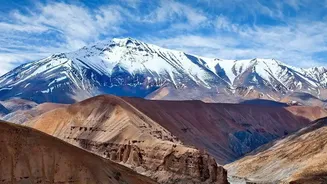
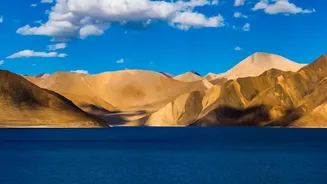
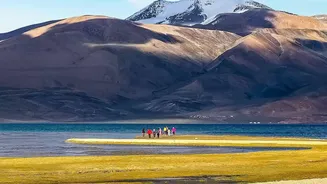
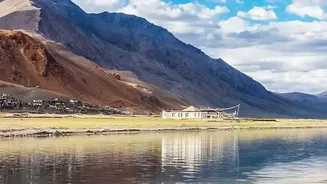
Packing for Ladakh in August requires preparing for multiple climates. For the journey, waterproof gear is a must. For your time in Ladakh, think in layers. During the day, the high-altitude sun is strong, making sunscreen, sunglasses, and a hat essential. A t-shirt might be comfortable in the direct sun, but the temperature drops instantly in the shade or as evening approaches. You will need fleeces and a warm jacket, especially for nights and trips to higher-altitude locations like Pangong Lake, where temperatures can dip close to 5°C. Even if it feels like summer in Leh, the mountains have their own rules.
Crowds, Costs, and Connectivity
While some road travellers avoid August due to monsoon risks, it is still considered peak tourist season, especially for those who fly in. This means accommodations and flights get booked up well in advance, and prices are at their highest. It is crucial to book your stay and transport weeks, if not months, ahead. Popular spots like Pangong Lake can feel particularly crowded, especially on weekends. Be prepared for digital detox as well; mobile connectivity is largely reliable only in Leh town, with limited to no service in areas like Nubra Valley and Pangong.