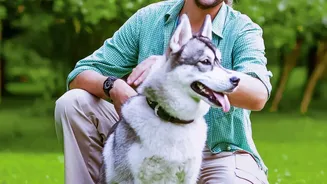




Why Arrivals Are Overwhelming for Pets
For a dog or cat, a guest's arrival is a sudden disruption to their routine and environment. Unfamiliar sights, sounds, and smells can be overwhelming. This isn't just excitement; it can be rooted in territorial instincts or anxiety. Your pet's home is their sanctuary,
and a stranger entering can feel like an intrusion, triggering behaviors like barking, jumping, hiding, or even growling. Understanding that this behavior comes from a place of instinct, not misbehavior, is the first step toward managing it effectively. By anticipating their reaction, you can set them up for success rather than frustration.
The 'Designated Handler' Strategy
The most effective way to create a calm atmosphere is to assign one familiar household member as the 'designated pet handler' during arrivals. This person should be someone the pet trusts completely. This strategy provides a single, predictable source of guidance for the pet, reducing their confusion and anxiety. When multiple people are giving commands or trying to control a worked-up animal, it only adds to the chaos. The designated handler’s calm energy and clear direction tells the pet that the situation is under control and that this new person is not a threat. This consistency is key to helping your pet learn to greet visitors politely over time.
Before the Doorbell Rings
Preparation is crucial for a smooth arrival. A few steps ahead of time can make all the difference. First, ensure your pet has had plenty of exercise earlier in the day; a tired dog is a calmer dog. Next, prepare a 'safe space'—a crate, bed, or quiet room—where your pet can retreat if they feel overwhelmed. Make this space comfortable with familiar bedding and a special toy. Just before guests are expected, you can leash your dog. Having them on a leash gives you immediate, gentle control when the door opens, preventing jumping or bolting. You can also ask your guests to text you when they arrive, which allows you to get your pet settled before the doorbell even rings.
Managing the Actual Arrival
When your guests arrive, the designated handler takes the lead. This person should greet the humans first, showing the pet that these visitors are welcome. Keep the initial interaction controlled by having the pet on a leash at a slight distance. Allow the pet to observe the newcomers from a safe space before forcing an introduction. Your calm demeanor is critical, as pets are highly attuned to their owner's emotions. Reward your pet with praise or small treats for calm behavior, like sitting or not barking. The goal is to build a positive association: new people arriving leads to good things.
How to Instruct Your Guests
Your guests are part of the equation, and most are happy to help if they know how. Before they arrive or as they enter, politely explain the rules. Ask them to ignore the pet at first, avoiding direct eye contact, talking, or reaching out to pet them. This allows the pet to approach and investigate on their own terms, which is far less threatening. Let your guests know that you are actively training your pet and that consistency is important. Once the pet is calm, you can allow a guest to offer a treat with an open palm or give a gentle scratch on the chest, rather than the top of the head.
When Your Pet Is Still Anxious
For some pets, especially those with a history of fear or anxiety, even these careful steps might not be enough. In these cases, it is perfectly acceptable to use their safe space for the duration of the visit. Forcing an interaction will only increase their stress. Let your pet relax in their crate or a separate room with a chew toy or a puzzle feeder to keep them occupied. This management technique ensures the safety and comfort of both your pet and your guests, preventing a negative experience that could make future introductions even harder. Remember, the ultimate goal is a low-stress environment for everyone.